
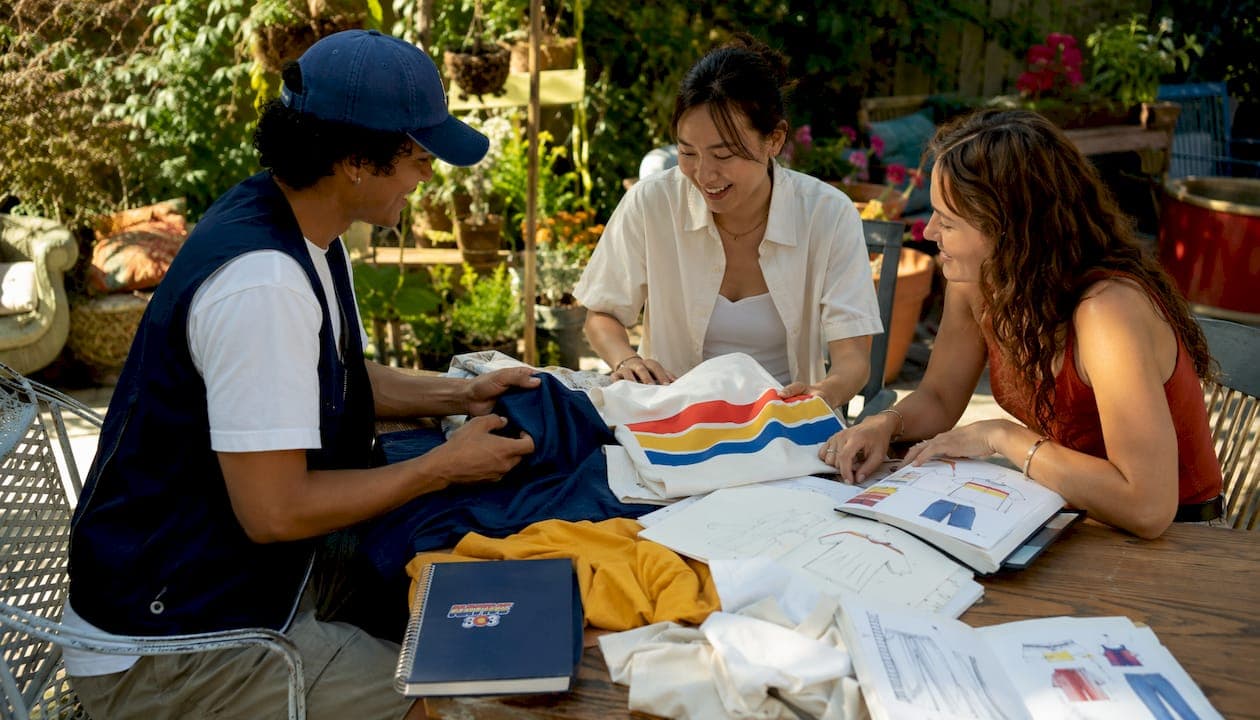
Community-inspired clothing is defined as apparel created to reflect the identity, values, and lived experiences of a specific community rather than to chase market trends. This approach, often called community-driven fashion in the industry, treats garments as cultural artifacts first and products second. Native303apparel builds its entire catalog on this principle, drawing from the memories of metro Denver's iconic eateries, clubs, and shops to create pieces that carry real meaning. For fashion enthusiasts and collectors, understanding this distinction changes how you see, buy, and wear clothing.
What is community-inspired clothing, exactly?
Community-inspired clothing is garments designed from the inside out. The design process starts with a community's shared history, cultural references, and collective pride, not with a trend report or a sales forecast. The industry term most commonly used alongside this concept is "place-based fashion," which describes apparel rooted in a specific geographic and cultural identity. You can read more about place-based fashion and how it differs from general lifestyle branding.
Community brands invert the traditional brand model by forming around a pre-existing group's identity and needs rather than building a fanbase around a product. That inversion matters. It means the community comes first, and the clothing serves it. The result is apparel that creates belonging and social purpose beyond the transaction.
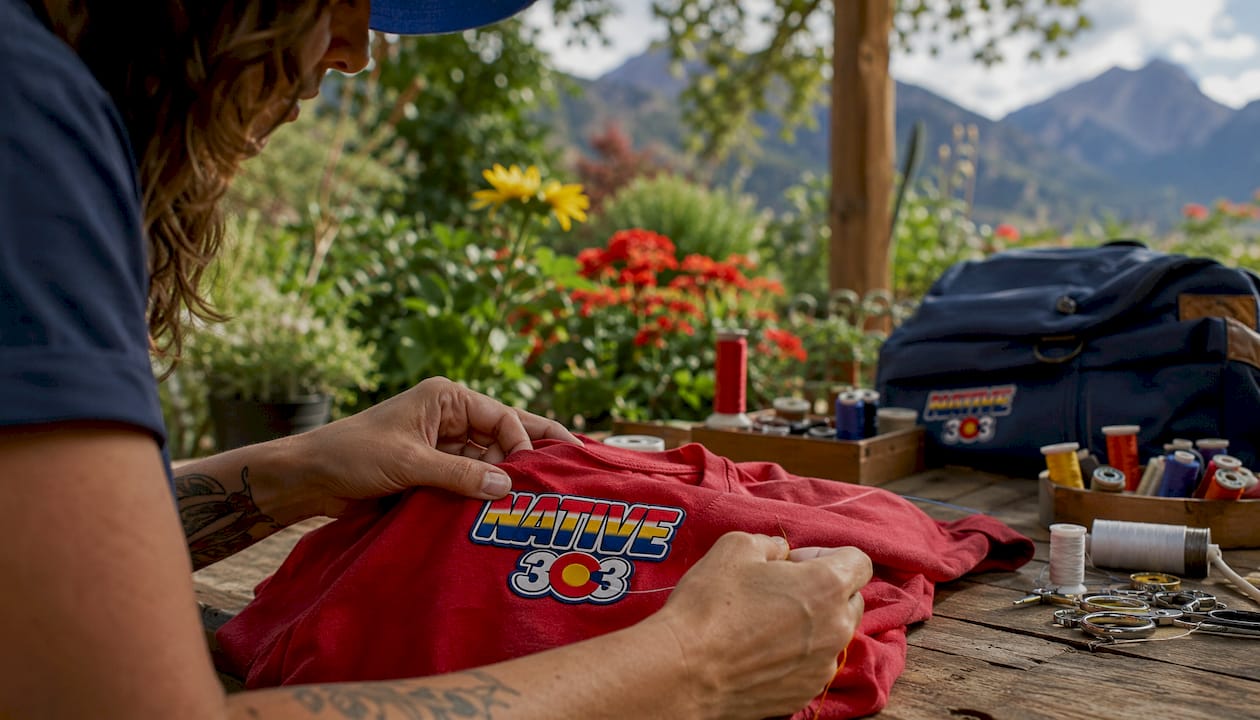
Authentic community apparel carries inside knowledge and lived experience in its design. A graphic referencing a specific neighborhood corner store, a color palette tied to a local sports tradition, or typography borrowed from a beloved local signage style all signal that the designer lived the story. That specificity is what separates community-inspired clothing from mass-market fashion that borrows cultural aesthetics without context.
How does community-driven fashion support social and economic empowerment?
Community-driven fashion creates tangible economic and social outcomes, not just cultural ones. The most direct mechanism is employment. Social enterprises like Dharana embed dignified work and skill training into their production model, employing women rebuilding after incarceration with fair pay, predictable routines, and genuine support. That model treats social good as a core business function, not a marketing add-on.
Financial models in this space often direct a portion of sales revenue back into the communities they represent. One documented example channels 20% of sales to fund essentials including meals, education, and medical care, impacting over 17,500 lives annually. That figure shows how a clothing purchase can function as a direct community investment.
The social impact dimension of community apparel shows up in several concrete ways:
- Employment creation: Brands hire locally and prioritize workers from marginalized groups, building economic stability from within the community.
- Skill development: Production programs teach garment construction, quality control, and business operations, giving workers transferable skills.
- Revenue reinvestment: A share of sales funds local programs, from youth education to healthcare access.
- Cultural preservation: Paying local artists and designers keeps cultural knowledge alive and economically viable.
Pro Tip: When evaluating a community-driven brand, look for transparency about where garments are made and who benefits financially. Brands with genuine social impact publish this information clearly, not buried in fine print.
Are there real environmental benefits to sustainable community clothing?
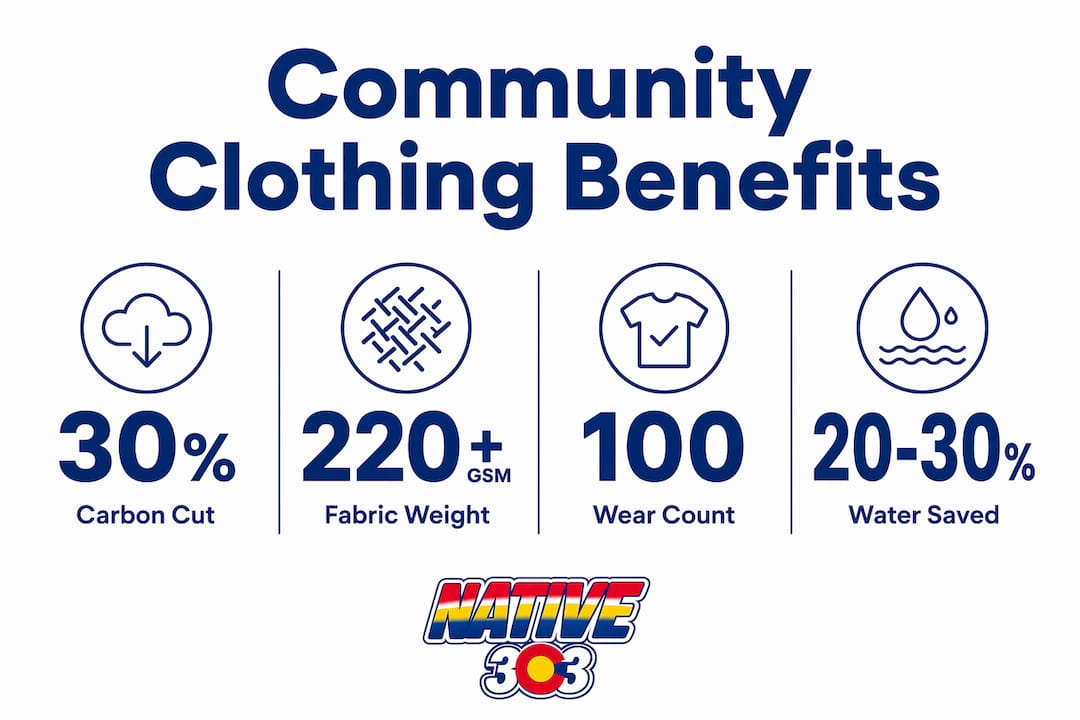
Sustainable community clothing delivers measurable environmental gains, and the data is specific. Extending garment life by 9 months reduces carbon and water footprint by 20–30%. That reduction comes not from switching materials but simply from wearing what you already own longer.
Community-inspired pieces are built to last. Premium garments in this category regularly use fabric weights above 220 GSM, which signals construction quality that holds up across dozens of washes. Fast fashion fabrics typically fall well below that threshold and lose shape within 10 washes, ending up in landfills by the third month of ownership. The contrast is not subtle.
| Factor | Community-inspired apparel | Fast fashion |
|---|---|---|
| Fabric weight | 220 GSM and above | Often below 150 GSM |
| Garment lifespan | 50–100+ wears | Degrades within 10 washes |
| Cost per wear | Under $0.25 at 100 wears | High relative to short lifespan |
| Environmental impact | Reduced by 20–30% with extended use | High carbon and water footprint |
| End of life | Kept, shared, or passed on | Landfill within months |
The cost-per-wear math makes the environmental case concrete. A premium community piece worn 100 times costs a fraction of a cent per wear. That same garment, kept and shared rather than discarded, meaningfully reduces environmental impact at the consumer level without requiring any new technology or sacrifice.
Stat to know: Extending garment use by just 9 months cuts carbon and water footprint by 20–30%. That is a significant reduction achievable through purchasing decisions alone.
What distinguishes community-inspired clothing from mass-market fashion?
The core distinction is authenticity grounded in lived experience. Mass-market fashion borrows cultural aesthetics from communities it does not belong to. Community apparel reflects specific neighborhood history and shared culture, making it emotionally resonant in a way that a trend-driven graphic tee cannot replicate.
"Authentic community apparel embodies inside knowledge and lived experiences, making it emotionally resonant and culturally significant. A piece that references a real place, a real moment, or a real group of people carries weight that mass-market fashion simply cannot manufacture."
The behavioral differences between buyers of community apparel and mass-market shoppers are equally telling:
- Retention rate: Community apparel buyers keep pieces longer because the emotional connection outlasts the trend cycle.
- Purchase motivation: The decision is driven by identity and pride, not by price or seasonal promotion.
- Repeat wear: Pieces connected to identity and memory get worn more often and more deliberately.
- Collectibility: Culturally specific designs become artifacts over time, gaining value rather than losing it.
Native303apparel's Denver-rooted designs operate on exactly this principle. A tee referencing a specific club on Colfax Avenue or a long-gone diner in Five Points is not just a graphic. It is a document of a place and time that a Denver native recognizes immediately. That recognition is the product. You can see how local culture inspires apparel design in the way Native303apparel approaches each collection.
How to recognize authentic community-inspired apparel as a collector
Genuine community apparel has specific, verifiable markers. Knowing them protects you from buying cultural aesthetics without cultural substance.
- Check the fabric weight. Quality community pieces typically exceed 220 GSM. Ask the brand directly or check the product specifications. Heavy fabric weight is a reliable proxy for construction quality and longevity.
- Read the design story. Authentic pieces reference specific places, events, or people. If the brand cannot tell you what the design means and where it comes from, the cultural connection is likely surface level.
- Verify brand transparency. Legitimate community brands publish information about their production, their community ties, and how revenue is used. Vague "inspired by" language without specifics is a warning sign.
- Look for rooted references. Authenticity requires designs that reflect specific local histories and insider cultural references, not generic aesthetics dressed up as community connection.
- Assess the collector value. Pieces tied to real cultural moments appreciate in meaning over time. Ask whether this design will still carry weight in ten years because of what it represents, not just how it looks.
Pro Tip: Search for the specific cultural reference in the design before you buy. If you can find the story independently, the brand's claim to community roots is credible. If the reference leads nowhere, treat it as decorative, not documentary.
For collectors specifically, exclusive streetwear aesthetics rooted in community culture carry the strongest long-term value. The rarity of a genuine cultural document in wearable form is what drives collectibility.
Key Takeaways
Community-inspired clothing creates lasting cultural, social, and environmental value by embedding lived experience and community identity directly into garment design.
| Point | Details |
|---|---|
| Definition matters | Community-inspired clothing serves a community's identity first; selling is secondary to cultural representation. |
| Social impact is structural | The best community brands embed employment, skill training, and revenue reinvestment into their core model. |
| Durability reduces footprint | Garments above 220 GSM worn 50–100+ times cut carbon and water impact by up to 30%. |
| Authenticity is verifiable | Real community apparel cites specific places, people, or events that can be independently confirmed. |
| Collectors gain lasting value | Culturally rooted pieces appreciate in meaning over time, unlike trend-driven fashion that depreciates quickly. |
Why community-inspired clothing is the most honest thing fashion has done in decades
I have spent years watching fashion cycle through "community" as a marketing word. Brands slap a neighborhood name on a hoodie and call it local. What I have seen from genuinely rooted labels is completely different, and the gap is obvious once you know what to look for.
The brands that get it right do not start with a product. They start with a question: what does this community actually remember, value, and want to see represented? Native303apparel asking that question about Denver produces something a national brand physically cannot replicate. You cannot manufacture the specific grief of a favorite diner closing, or the pride of a neighborhood that outsiders never understood. You can only document it if you were there.
What excites me about where this is heading is that collectors are getting smarter. The same instinct that drives someone to seek out a first pressing of a record or an original print of a photograph is now showing up in apparel. People want the real thing, with a real story, from a real place. That demand will keep growing because mass-market fashion has nothing to offer it.
My honest advice: buy one piece from a community brand you can actually verify, wear it until it tells a story on its own, and notice how differently you feel about it compared to anything you bought on impulse. That difference is the whole argument.
— Rob
Native303apparel: Denver's story, worn every day
Native303apparel builds every design around the specific memories that made metro Denver what it is. The iconic eateries, the clubs on Colfax, the shops that shaped neighborhoods before anyone called them "up and coming." These are not aesthetic choices. They are documents.
Every piece in the collection is built for longevity, with quality construction that holds up across years of wear. If you are looking for authentic Denver-inspired clothing that carries real cultural weight, the Native303apparel store is the place to start. You can also read about the brand's mission and the specific communities and memories that drive each design. This is community-driven fashion with a specific address.
FAQ
What is community-inspired clothing in simple terms?
Community-inspired clothing is apparel designed to reflect the identity, history, and values of a specific community. The design process starts with lived experience, not trend forecasts.
How is community-driven fashion different from ethical fashion?
Ethical fashion focuses primarily on fair labor and environmental practices. Community-driven fashion adds cultural authenticity and social reinvestment, embedding the community's identity into the design itself.
Can community apparel be considered collectible?
Pieces tied to specific cultural moments, neighborhoods, or histories gain meaning over time and are increasingly sought by collectors. Cultural specificity is what drives long-term collectible value.
How do I know if a community brand is authentic?
Look for designs that reference specific, verifiable places or events, transparent production information, and clear explanation of how revenue supports the community. Vague "inspired by" language without specifics signals surface-level branding.
Does buying community-inspired clothing actually help the environment?
Wearing a quality community garment for 50–100+ wears instead of discarding fast fashion within months reduces carbon and water footprint by 20–30%, based on garment lifespan research.