
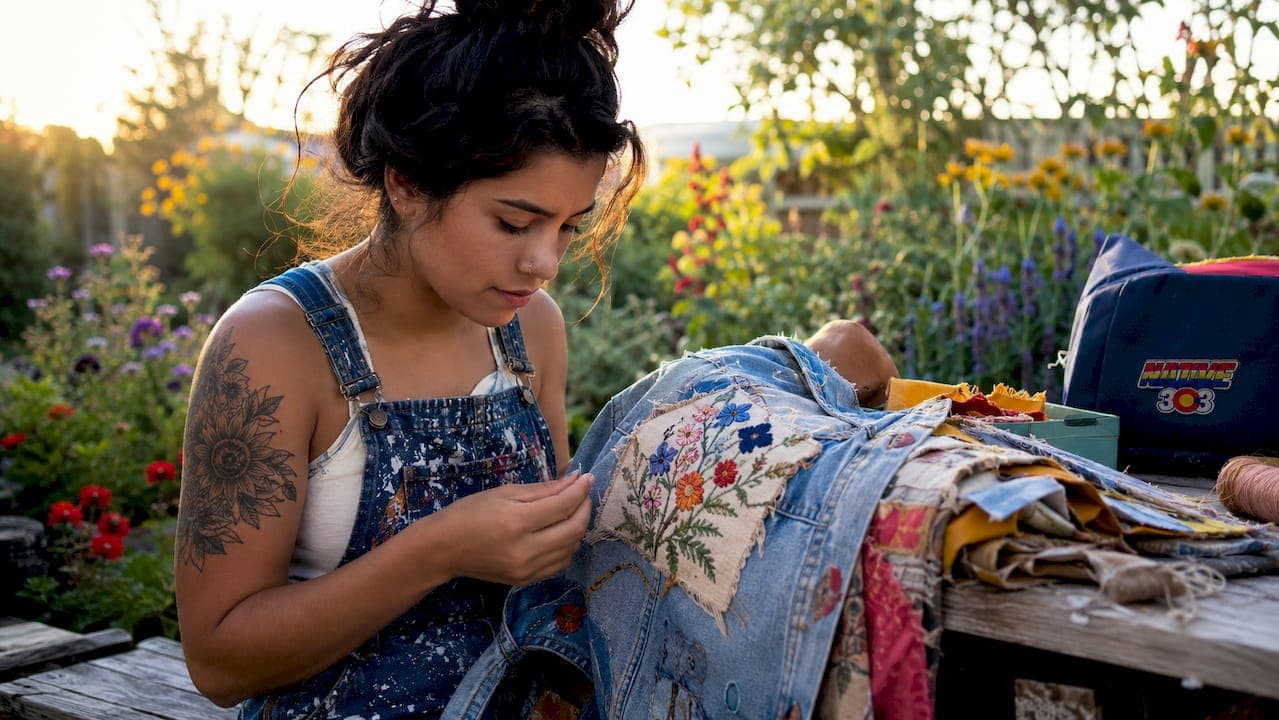
Wearable art is defined as clothing or accessories that function as original artistic statements, carrying cultural meaning beyond decoration. Denver's version of this practice is one of the most place-specific in the American West, shaped by neighborhoods like RiNo and Santa Fe, a deep sustainability ethic, and a creative community that treats fashion as social commentary. Native303apparel captures exactly this spirit, translating the city's iconic eateries, clubs, and shops into apparel that tells a real story. If you want to share Denver culture wearable art with the world, the path runs through local artisans, community events, and narrative-driven design.
What makes Denver's wearable art scene unique and culturally significant?
Denver's wearable art scene is defined by specificity. Pieces reference actual places, actual moments, and actual communities rather than generic "mountain West" aesthetics. That specificity is what separates local culture apparel from mass-market fashion.
The dominant trend right now is bold maximalism, with art-inspired graphic prints growing 30% in popularity compared to 2025. Search volume for "wearable art fashion" grew 312% from 2022 to 2025, signaling that what Denver artists have practiced for years is now reaching a mainstream audience. Denver was ahead of this curve.
Two creative districts anchor the scene:
- RiNo (River North Art District): Home to muralists, textile artists, and pop-up studios. RiNo artists frequently pull imagery from Denver's industrial past and immigrant communities.
- Santa Fe Arts District: Known for gallery density and monthly First Friday events that double as informal wearable art showcases.
- West Colfax corridor: A newer hub where community creatives emphasize living art, recycled materials, and respect for both planetary and cultural history.
Sustainability is not a marketing add-on here. Denver artists treat recycled and found materials as the default, not the exception. A jacket made from reclaimed denim and screen-printed with a map of Larimer Square carries more cultural weight than anything produced in a generic run.
Pro Tip: When evaluating a piece of Denver wearable art, ask the artist where the materials came from. The answer tells you more about the work's authenticity than the design itself.
The Denver Arts & Venues Cultural Runway Series formalizes this ethos by featuring sustainable, locally produced wearable art that connects visual art with cultural heritage. It is one of the clearest signals that Denver treats fashion as a legitimate art form, not a commercial afterthought.
How can art enthusiasts connect with local Denver artisans?
Connecting with Denver's wearable art community requires showing up in the right places and supporting the right structures. The community is accessible, but it rewards active participation over passive consumption.
- Attend Denver Arts Week events. Denver Arts Week 2025 included over 700 events involving 250+ local organizations. The 2026 edition follows the same model. These events are the fastest way to meet working artists and see wearable art in context.
- Visit the Denver Art Society. The Denver Art Society supports local creatives with an accessible platform hosting over 100 co-op members and is open to the public daily. Events like "Slow Burn" offer free admission and open participation to wearable artists.
- Engage with Art Gym Denver. Art Gym Denver values artists engaged with the community beyond selling products. Cross-disciplinary collaboration and mentorship drive the work there, making it a strong entry point for anyone new to the scene.
- Follow the Cultural Runway Series. The series is not just a fashion show. It is a curated statement about what Denver values: local production, cultural heritage, and sustainability.
- Support Color of Fashion initiatives. Local experts frame wearable art as a tool for social commentary and community-building, specifically uplifting underrepresented groups and bridging generational gaps in Denver's cultural landscape.
Pro Tip: Bring a sketchbook or your phone to any Denver Art Society event. Artists respond well to people who are genuinely curious about process, not just product.
The Denver arts community is not gate kept. Most venues and events actively want new participants. The barrier is attention, not access.
What materials and techniques define Denver wearable art?
Denver wearable art draws from a specific material vocabulary that reflects the city's values and history. Understanding these materials helps you read a piece the way you would read a painting.
| Material or Technique | Cultural Connection | Common Application |
|---|---|---|
| Recycled denim and canvas | Denver's working-class and industrial history | Jackets, tote bags, patchwork vests |
| Screen printing on reclaimed fabric | DIY punk and skateboard culture from Colfax | T-shirts, hoodies, limited-run prints |
| Hand embroidery with local motifs | Indigenous and Latinx textile traditions | Hats, collars, statement sleeves |
| Found-object embellishment | Sustainability ethic from West Colfax creatives | Pins, brooches, mixed-media accessories |
| Narrative-driven graphic design | Denver landmarks and cultural movements | Graphic tees, art prints on apparel |
Narrative-driven design is the technique that ties all of these materials together. Denver artists connect discarded materials and traditional textile techniques to the city's history, and the storytelling behind each piece is vital for gaining local audience support. A piece without a story is just clothing.
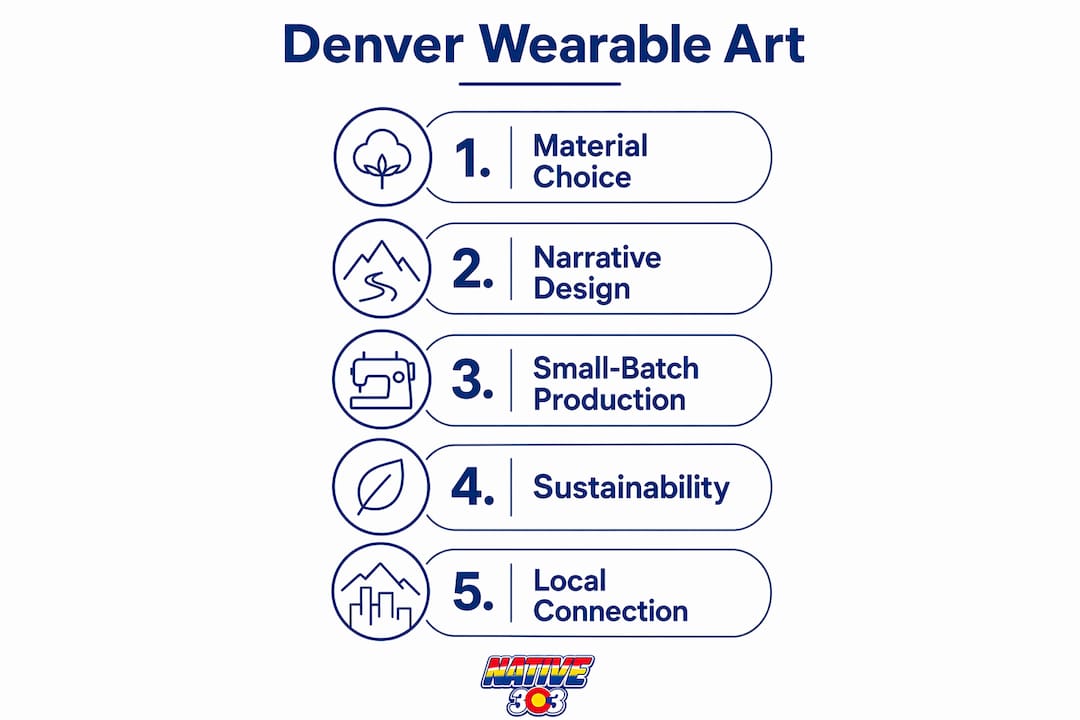
Small-batch production is another defining characteristic. Denver wearable art produced in small, hyper-local runs that reference specific landmarks or cultural movements resonates more deeply as a symbol of belonging than generalized art-fashion merchandise. Smaller editions also carry stronger resale value, positioning well-made pieces as financial investments, not just fashion.
The most respected Denver artists can articulate exactly why they chose a specific material. That articulation is part of the work itself.
How do you create and showcase your own Denver-inspired wearable art?
Creating wearable art that genuinely reflects Denver's culture follows a clear process. Skipping steps produces pieces that look like tourist merchandise rather than cultural expression.
The creation process:
- Start with a specific memory or place. Generic "Denver pride" concepts produce generic results. Pick one specific location, event, or community and build from there. A piece about the old Wax Trax record store on East Colfax carries more weight than a piece about "Denver music."
- Source materials locally. Visit thrift stores in RiNo, fabric suppliers on South Broadway, or community swap events. The material's origin becomes part of the story.
- Research the cultural context. If your piece references a specific neighborhood or community, understand that community's history before you represent it. Misrepresentation damages credibility fast in a tight-knit arts scene.
- Build the narrative first, then the design. Write two or three sentences explaining what the piece is about before you start making it. That narrative becomes your artist statement.
- Produce in small quantities. A run of 10 to 20 pieces signals intentionality. It also protects the cultural specificity of the work.
Showcasing your work:
- Apply to the Denver Arts & Venues Cultural Runway Series. The application process itself forces you to articulate your cultural narrative, which strengthens the work.
- Set up at RiNo or Santa Fe First Friday events. These are low-barrier entry points with high foot traffic from genuine art enthusiasts.
- Partner with the Denver Art Society co-op. Co-op membership gives you a permanent platform and connects you with 100+ working artists.
- Document everything. Short videos showing your process perform well on social platforms and build the story around your pieces before buyers even see them in person.
The most common mistake new wearable artists make is leading with aesthetics and ignoring narrative. Denver's art community will engage with a rough piece that has a strong story far more readily than a polished piece with nothing to say.
Key Takeaways
Wearable art in Denver succeeds when it combines specific cultural narrative, locally sourced materials, and active community participation rather than aesthetic appeal alone.
| Point | Details |
|---|---|
| Narrative drives value | Every piece needs a clear story tied to a specific Denver place, community, or moment. |
| Small batches signal authenticity | Limited runs of 10–20 pieces carry more cultural weight and stronger resale potential. |
| Community access is open | Denver Art Society, Art Gym Denver, and the Cultural Runway Series all welcome new participants. |
| Materials carry meaning | Recycled, found, and locally sourced materials are the standard, not a differentiator. |
| Sustainability is non-negotiable | Denver's arts community treats environmental respect as a core value, not a trend. |
Why wearable art is Denver's most honest cultural export
I have spent years watching Denver's creative scene get flattened into mountain logos and brewery branding. Wearable art is the corrective. It forces specificity. You cannot make a piece about the Bluebird Theater without knowing what the Bluebird Theater meant to the people who grew up going there. That accountability is what makes Denver's wearable art scene genuinely different from cities where fashion is purely commercial.
The part that surprises most people is how welcoming the community is. Art Gym Denver, the Denver Art Society, and the Cultural Runway Series are not exclusive clubs. They are built on the idea that cross-disciplinary collaboration and community participation matter more than credentials. I have seen first-time makers get serious mentorship from established artists simply because they showed up and asked good questions.
The sustainability ethic is also more than politics. When you build a piece from reclaimed materials, you are physically connecting your work to Denver's past. That connection is felt by the person wearing it. It changes how they carry the piece and how they talk about it. That is the real mechanism behind cultural expression through fashion: the object becomes a conversation starter about something that actually matters.
My honest advice is this. Do not wait until your skills are "good enough." Denver's wearable art community values intention and story over technical perfection. Start with one specific memory, one specific place, and one honest material. The rest follows.
— Rob
Denver culture, worn every day
Native303apparel was built on exactly the kind of specificity that Denver's wearable art community respects. Every design references a real place from metro Denver's history, whether it is a legendary club on Colfax or a diner that regulars still talk about decades later.
The Native303apparel collection is the right starting point if you want to wear Denver's story rather than a generic version of it. Each piece is designed to carry a memory and start a conversation. Check the size guide before you order, and read the brand's story to understand the cultural thinking behind every design. This is local culture apparel made by people who actually lived it.
FAQ
What is wearable art in the context of Denver's culture?
Wearable art is clothing or accessories created as original artistic statements that carry cultural meaning. In Denver, pieces typically reference specific neighborhoods, landmarks, or communities rather than generic regional imagery.
How do I find Denver wearable art events?
The Denver Arts & Venues Cultural Runway Series and Denver Arts Week are the two primary annual events. Denver Art Society hosts ongoing open events, and RiNo and Santa Fe First Fridays run monthly.
What materials do Denver wearable artists typically use?
Recycled denim, reclaimed canvas, found objects, and locally sourced fabrics are standard. The material's origin is considered part of the piece's cultural narrative.
Is wearable art a good investment?
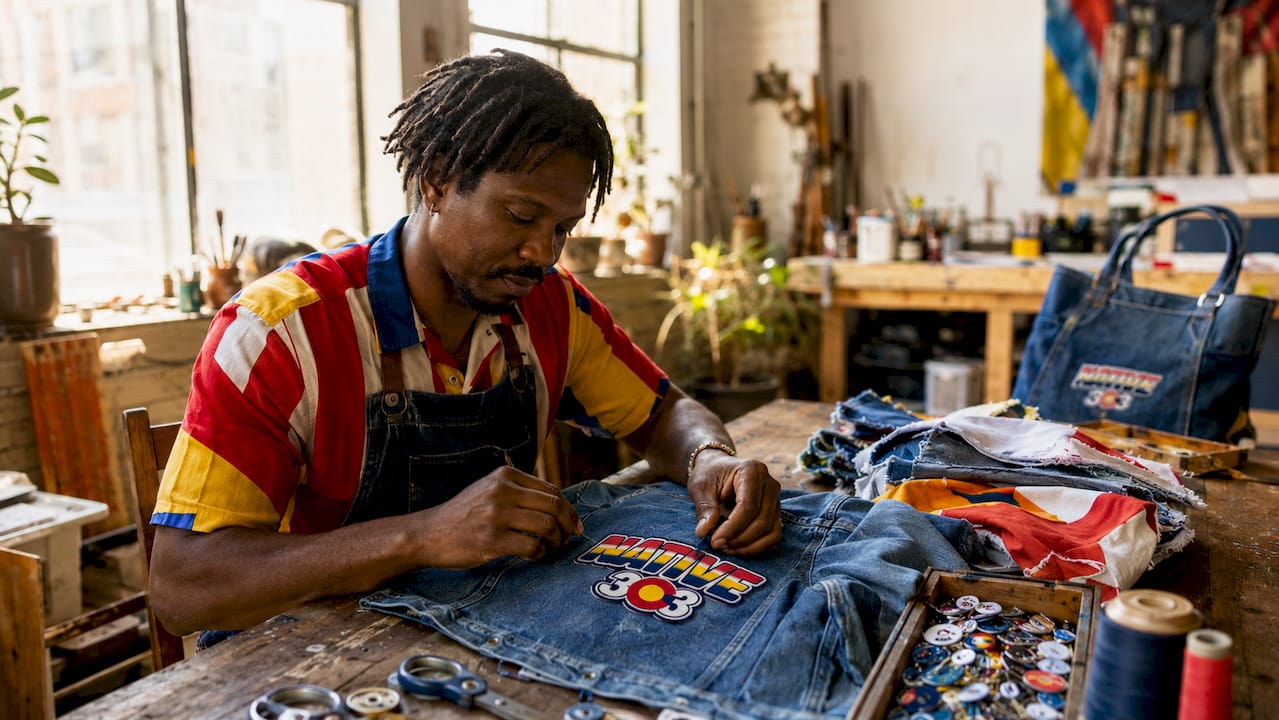
Small-batch wearable art pieces with documented artist credentials and specific cultural narratives carry real resale value. Edition size and storytelling both affect collector interest.
How does Native303apparel connect to Denver's wearable art scene?
Native303apparel designs reference specific memories from metro Denver's iconic venues and neighborhoods, applying the same narrative-driven, place-specific approach that defines the broader Denver wearable art community.