
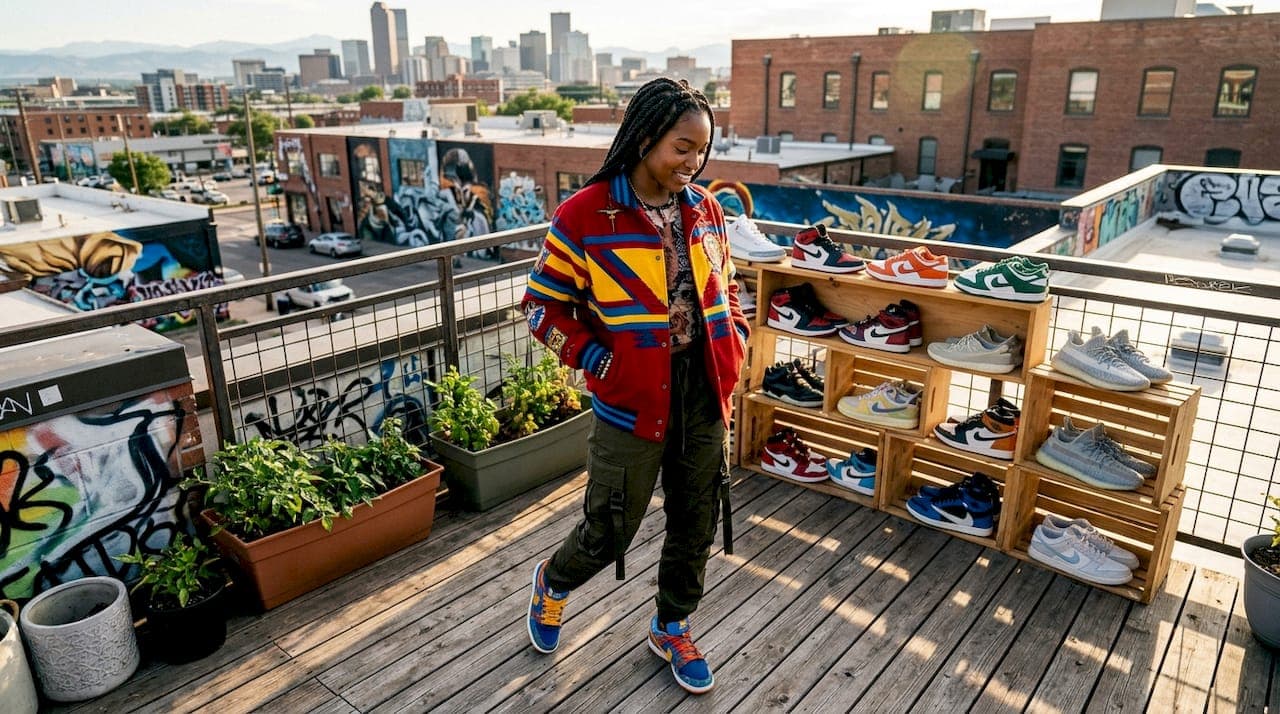
Exclusive streetwear aesthetics are defined by the deliberate combination of scarcity-driven releases, subcultural graphic design, and silhouette codes that communicate identity and cultural capital. The global streetwear market is valued at $185 billion, representing roughly 10% of the entire global apparel and footwear industry. That number signals something important: streetwear is no longer a subculture operating at the margins. For fashion enthusiasts and collectors, understanding exclusive streetwear aesthetics means reading the visual language behind every drop, graphic, and silhouette choice.
What are the core stylistic subgenres of exclusive streetwear aesthetics?
Modern streetwear organizes itself into four primary categories: skate, techwear, hypewear, and luxury streetwear. Each subgenre carries its own visual grammar, and collectors who recognize these distinctions build more coherent wardrobes.
- Skate prioritizes loose fits, durable fabrics, and graphics rooted in board culture and DIY zine aesthetics.
- Techwear uses futuristic utility construction, modular pockets, and weather-resistant materials to signal function over flash.
- Hypewear centers on logo-driven pieces, brand recognition, and the social proof that comes from wearing a known quantity.
- Luxury streetwear merges premium fabrication with street-native cultural references, often through high-end collaborations.
Graphic design sits at the center of all four subgenres. Fashion graphics act as cultural texts reflecting personal identity, politics, and subcultural affiliation, not just decoration. A graphic is not ornament. It is a statement of who you align with and what you know.
Proportional intelligence and silhouette balance
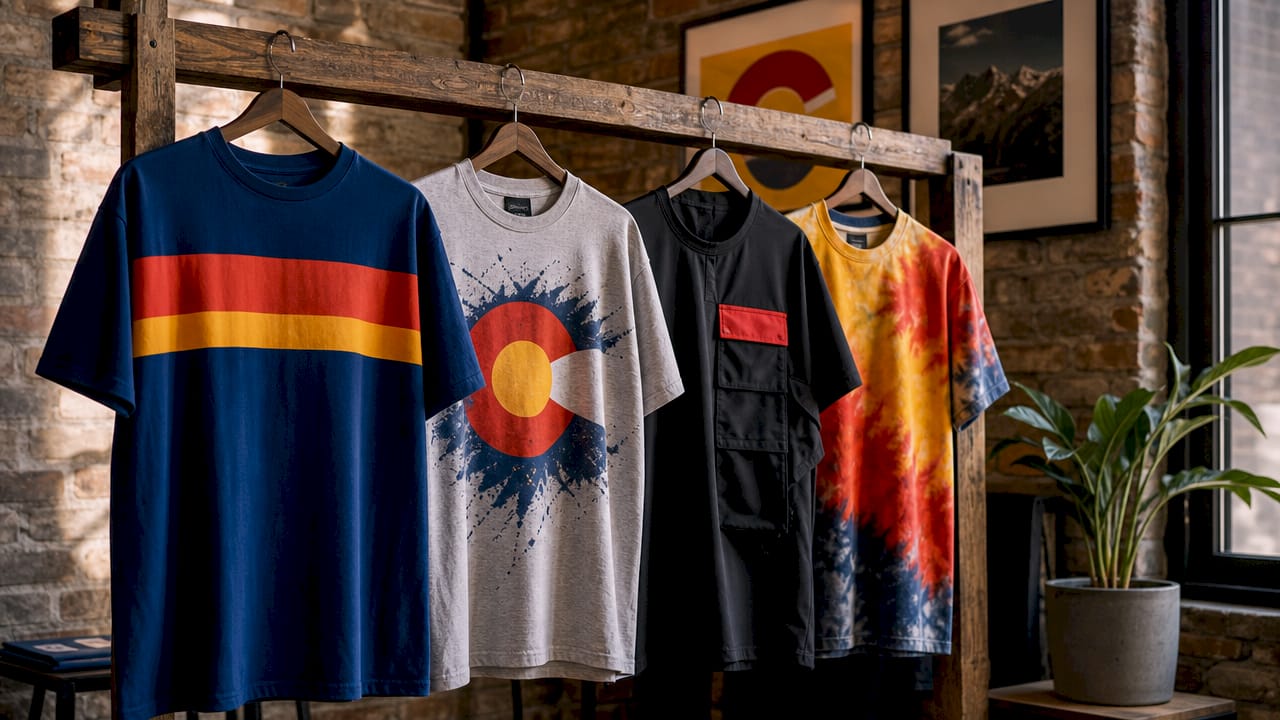
Proportional intelligence is the practice of balancing volume so that an outfit reads as intentional rather than accidental. Seasoned enthusiasts combine boxy hoodies with slim cargos or structured trousers to create hybrid silhouettes that hold visual weight without collapsing into shapelessness. The goal is cohesion, not size for its own sake.
Materials carry equal weight in this conversation. Lived-in fabric qualities such as enzyme washes, sun-fading, and brushed jersey imply backstory and quality. These textures contrast sharply with the factory-fresh newness that mass-market apparel chases. Collectors prize these details because they signal that a piece has history.
| Design Element | What It Communicates |
|---|---|
| Graphic imagery | Cultural reference, subcultural affiliation, identity |
| Oversized silhouette | Intentional volume, skate and hip-hop lineage |
| Technical fabrication | Utility, forward-thinking construction |
| Lived-in texture | Authenticity, history, quality over novelty |
| Logo placement | Brand allegiance, social recognition |
Pro Tip: When evaluating a piece for your collection, ask what the graphic references before you ask who made it. Artist intent and depth of reference carry more cultural capital than brand name recognition alone.
How does the scarcity drop model create exclusivity in streetwear?
The drop model is the primary mechanism through which streetwear generates exclusivity. Release windows typically last 2–48 hours, and quantities are strictly capped. That combination of time pressure and limited supply creates urgency that no traditional retail model replicates.
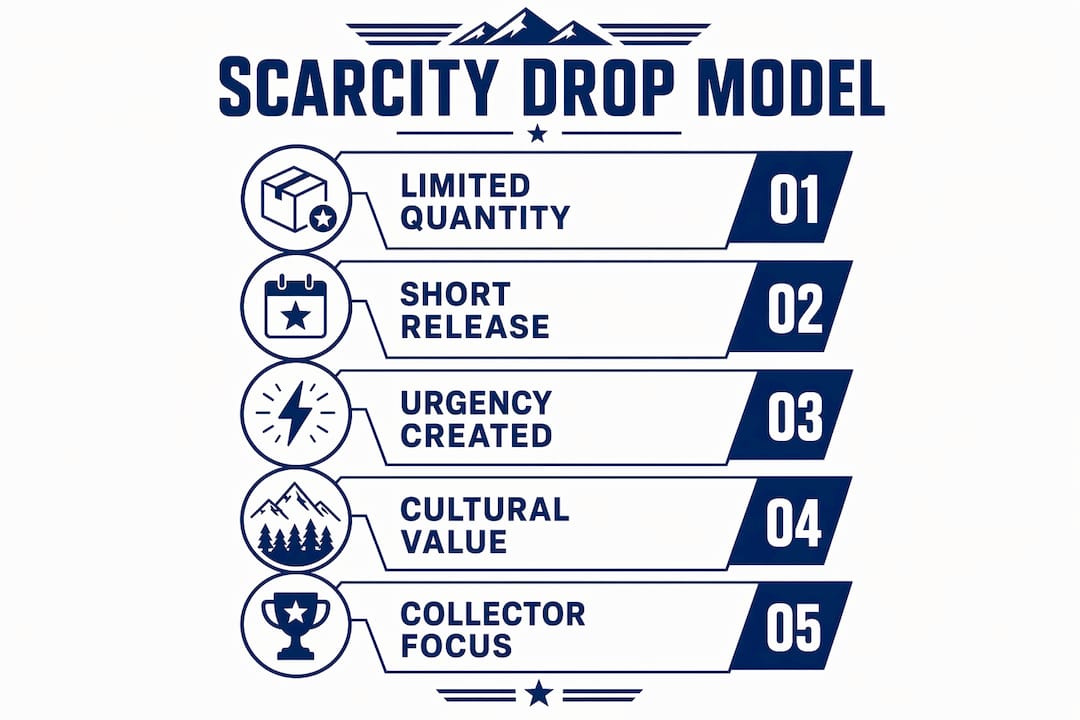
The financial consequences are real. A Supreme box logo crewneck that originally retailed for $158 resells for $500 or more, a premium of over 300% on the original price. That markup is not just about fabric or construction. It reflects the cultural capital embedded in the piece and the engineered scarcity that makes owning it meaningful.
Here is how the drop model works in practice:
- A brand announces a release date with minimal product details, building anticipation through controlled information.
- The drop goes live for a fixed window, often with queue systems or lottery entries to manage demand.
- Quantities sell out quickly, sometimes within minutes, pushing unsold demand into the resale market.
- Resale prices climb based on perceived cultural value, not production cost.
- The cycle repeats with the next drop, reinforcing the brand's exclusivity signal.
Collectors who understand this cycle stop chasing every release. Consumers in 2026 prioritize rewear value and quality over scarcity alone. The shift matters because it separates collectors building meaningful wardrobes from buyers chasing social validation through ownership.
Pro Tip: Track a brand's drop history before committing to resale prices. Pieces with consistent cultural references across multiple seasons hold value better than one-off hype releases.
What are the 2026 streetwear fashion trends shaping exclusive style?
The defining trend of 2026 is restraint. The cultural shift favors building a curated rotation over chasing every drop, with emphasis on proportional intelligence and intentional outfits. Collectors are editing their wardrobes rather than expanding them.
- Minimal graphics and archival visuals. Loud logo saturation is giving way to quieter, artist-driven imagery with deeper reference points. Pieces that reward close inspection outperform pieces that announce themselves from across the room.
- Hybrid silhouettes. The binary of oversized versus fitted has collapsed. The preferred look in 2026 pairs one oversized element with one fitted element, creating balance rather than maximalism.
- Technical fabrics in everyday contexts. Materials borrowed from outdoor and performance wear are appearing in casual silhouettes. Ripstop, nylon twill, and moisture-wicking jersey are no longer confined to techwear subgenres.
- Practical footwear. Trail runners, work boots, and low-profile sneakers are replacing statement shoes as the preferred base for streetwear outfits. The foot is no longer the loudest part of the look.
Luxury is being redefined by a curated mix of high-end and street-derived cultural capital, blending heritage brands with street-native items. A single outfit might combine a vintage military surplus jacket with a limited-edition graphic tee and tailored trousers. The coherence comes from the collector's knowledge, not from matching brand labels.
Pro Tip: Build your 2026 rotation around three to five anchor pieces with strong cultural references, then fill gaps with quality basics. A tight wardrobe with clear intent reads better than a large one without direction.
How can collectors style and curate exclusive streetwear authentically?
Authentic curation starts with artist intent, not logo recognition. Graphics carry cultural references and subcultural affiliation that logos alone cannot replicate. Collectors who understand what a graphic references wear it with a different authority than those who bought it for the brand name.
Styling principles that separate collectors from casual buyers:
- Prioritize cultural reference over brand recognition. Know the artist, the era, and the subculture behind a piece before adding it to your rotation.
- Apply proportional intelligence consistently. One oversized element per outfit. Balance it with a fitted or structured counterpart.
- Incorporate lived-in pieces for authenticity. A sun-faded tee or enzyme-washed cargo pant adds texture and history that new pieces cannot fake.
- Avoid costume-like outfits. Wearing every element of one subgenre at once reads as costume. Mix subgenres with intention.
- Layer with purpose. Each layer should add visual information, not just warmth. An open flannel over a graphic tee changes the graphic's context.
The table below contrasts two curation approaches that collectors encounter regularly.
| Approach | Focus | Result |
|---|---|---|
| Hype-driven curation | Logo recognition, resale value, drop frequency | Wardrobe feels dated quickly as hype cycles shift |
| Reference-driven curation | Artist intent, cultural depth, proportional balance | Wardrobe holds coherence and cultural capital over time |
Native303apparel approaches design from the reference-driven side. Each piece connects to a specific memory from metro Denver's cultural history, giving collectors a clear narrative to build around. You can read more about that philosophy on the Native303apparel story page.
Key Takeaways
Exclusive streetwear aesthetics are defined by cultural reference, proportional intelligence, and scarcity mechanics that together create lasting value beyond the hype cycle.
| Point | Details |
|---|---|
| Four core subgenres | Skate, techwear, hypewear, and luxury streetwear each carry distinct visual codes collectors should recognize. |
| Graphics as cultural text | A graphic's reference depth determines its cultural capital more than the brand name attached to it. |
| Drop model mechanics | Release windows of 2–48 hours and capped quantities drive resale premiums exceeding 300% of retail price. |
| 2026 trend: restraint | Curated rotations with hybrid silhouettes and minimal graphics outperform large, hype-driven wardrobes. |
| Authenticity through texture | Lived-in fabric qualities like enzyme washes signal history and quality that mass-market newness cannot match. |
Why the hype era is over and what comes next
The collectors I respect most stopped talking about drops years ago. They talk about references. They know which graphic came from a 1990s skate zine, which silhouette traces back to Japanese workwear, and which fabric treatment was borrowed from military surplus. That knowledge is the actual currency of exclusive streetwear culture, and it always was.
The hype era convinced a generation that owning the right logo was enough. It was not. Logos depreciate. Cultural knowledge compounds. A piece that connects to a real moment in a real community holds meaning long after the resale market moves on to the next release.
What excites me about 2026 is the return to intentionality. Collectors are building smaller, tighter wardrobes with clear points of view. They are mixing heritage pieces with street-native items and letting the combination tell a story. That is exactly what streetwear was always supposed to do before the drop model turned it into a financial instrument.
The brands worth watching are the ones rooted in specific places and specific memories. Locality gives a collection a spine. It gives collectors something to connect with beyond the label. Native303apparel does this well by anchoring every design to metro Denver's cultural history, which is a model more brands should follow.
— Rob
Native303apparel's exclusive collections for Denver-rooted collectors
Native303apparel builds every piece around a specific memory from metro Denver's iconic eateries, clubs, and shops. That specificity is what separates the brand from generic streetwear labels chasing broad appeal.
Each design carries a story that collectors can wear with genuine context. The exclusive streetwear collections at Native303apparel are built for enthusiasts who want their wardrobe to mean something beyond the label. If you are new to the brand's sizing, the fit reference guide covers how Native303apparel's silhouettes are cut so you can choose the right proportions for your rotation. Pieces drop in limited quantities, so checking the storefront regularly is the best way to stay current.
FAQ
What is streetwear aesthetics in simple terms?
Streetwear aesthetics are the visual codes, silhouette choices, and graphic references that communicate identity and subcultural belonging through clothing. The style draws from skate, hip-hop, military surplus, and sportswear traditions.
How does the drop model create exclusivity?
Drop releases use 2–48 hour windows and strictly limited quantities to generate urgency. High-demand pieces regularly resell at over 300% of their original retail price due to engineered scarcity and cultural capital.
What makes a streetwear piece culturally valuable?
Cultural value comes from artist intent, depth of reference, and subcultural authenticity rather than brand name or logo size alone. Collectors consistently prize pieces with traceable creative lineage over pure hype.
How do I style oversized streetwear without looking sloppy?
Apply proportional intelligence: pair one oversized element with one fitted or structured counterpart. A boxy hoodie works with slim cargos; an oversized graphic tee works with tailored trousers.
What are the biggest streetwear fashion trends in 2026?
The dominant trends are curated rotations over constant drops, minimal and archival graphics, hybrid oversized-fitted silhouettes, technical fabrics in casual contexts, and practical footwear replacing statement sneakers.