
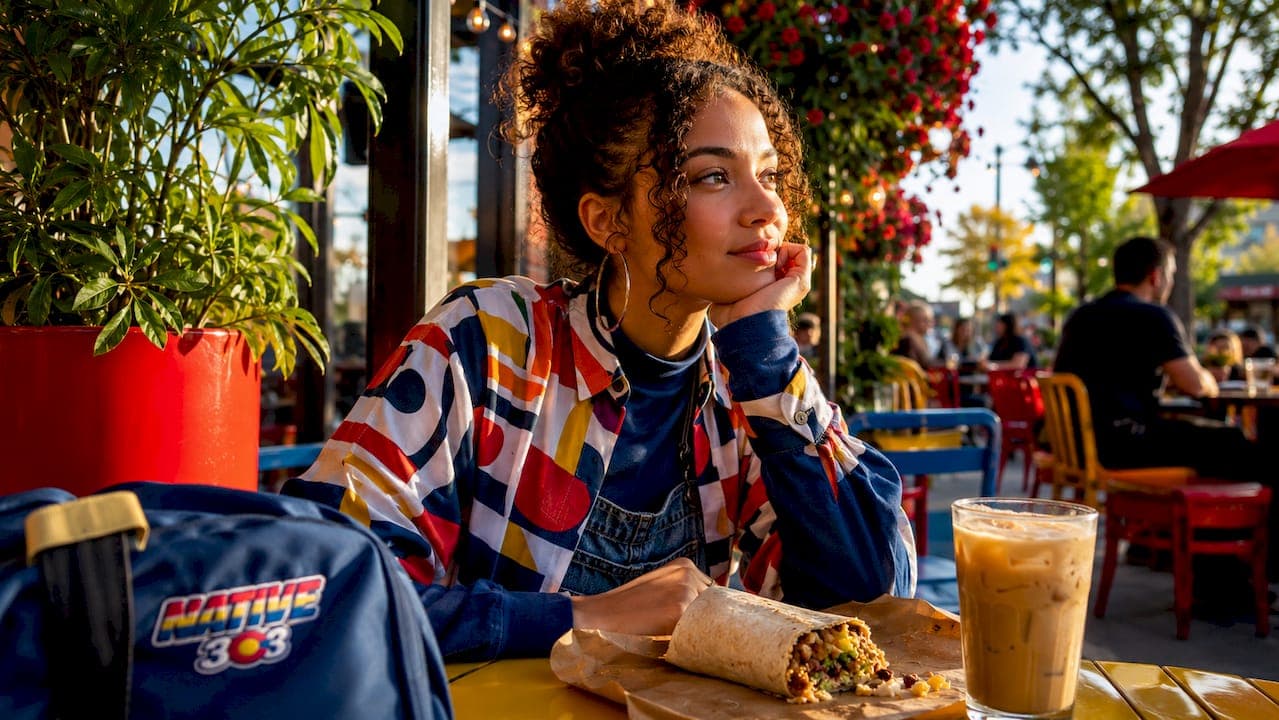
Denver eateries inspire fashion by functioning as cultural incubators where interior design, communal rituals, and neighborhood identity merge into a living style guide. The connection is not accidental. Denver Fashion Week's Spring 2026 programming formally recognized this link, and designer Beatriz Warger has publicly advocated for elevating every day dining attire into something more intentional. Local food culture and style have always overlapped in Denver, but 2026 marks the year that overlap became a defining creative force. Native303apparel captures exactly this spirit, translating the city's dining memories into wearable stories.
Why Denver eateries inspire fashion: the core connection
Denver's restaurants are not just places to eat. They are social stages where identity gets performed, and what you wear to that stage matters. The city's dining experience functions as a cultural event, not just a meal, and that shift in meaning pulls fashion directly into the conversation.
The influence of eateries on fashion operates through three channels: atmosphere, community, and history. A restaurant's interior signals what kind of person belongs there. The community that gathers inside develops shared aesthetic codes. And the city's culinary history provides a deep well of visual and emotional references that designers draw from season after season.
Denver's food identity runs from the classic Denver omelet to the smothered green chile burrito, dishes that carry a specific emotional register: comfort, accessibility, and pride in local roots. Culinary history from the 1920s onward built an aesthetic of warmth and practicality that designers now translate into contemporary silhouettes. That translation is the engine behind Denver dining fashion trends.
How restaurant interiors shape what Denver wears
Restaurant design in Denver does more than set a mood. It sets a dress code, even when no dress code is posted. Interior elements like rough-cut stone, Colorado leather, and large-scale murals cue guests into a specific aesthetic register before they even look at the menu.
Uchiko Denver is a clear example. Its interior uses warm wood, raw stone, and low lighting to create what designers call a "rugged-chic" atmosphere. Guests who walk in wearing athletic gear feel underdressed. Guests in sharp, minimal clothing feel exactly right. The room teaches people how to dress for it, and that lesson carries into their broader wardrobe choices.
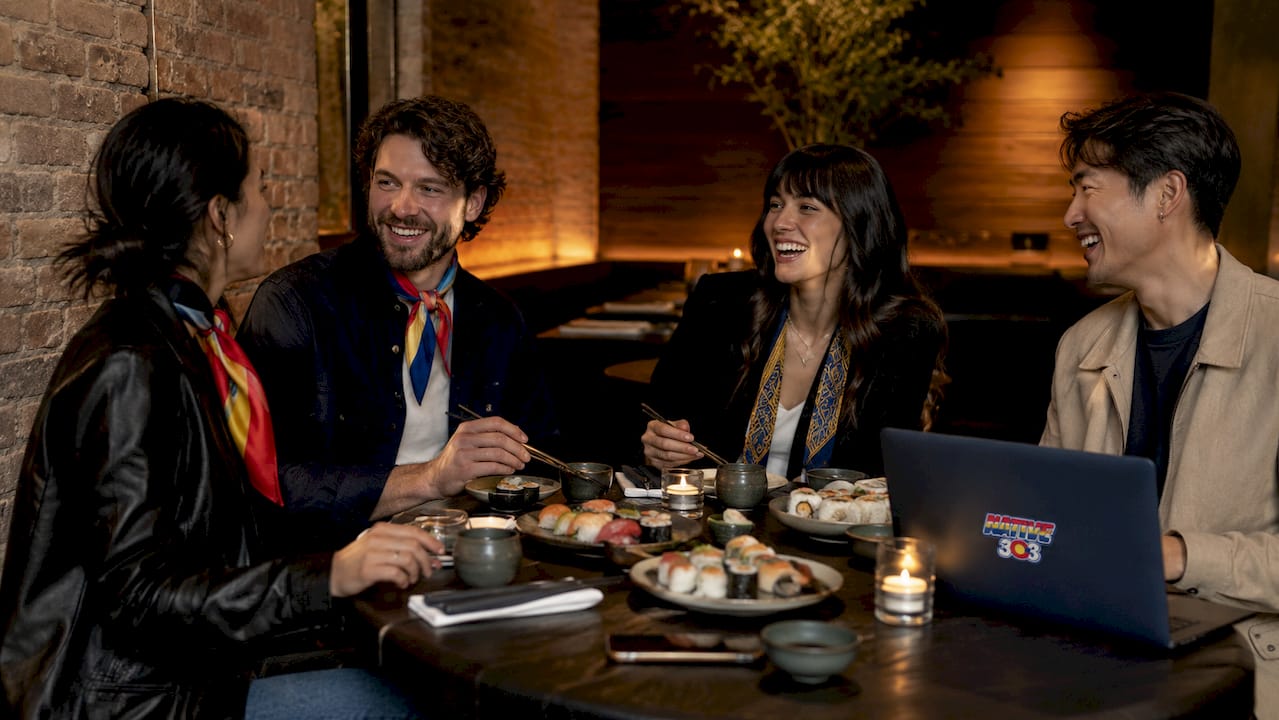
The RiNo neighborhood amplifies this effect through its mural-heavy streetscape. Street art and culinary destinations in RiNo work together to create an immersive visual environment that rewards bold, artistic clothing choices. Diners who frequent these spots begin to dress for the neighborhood, not just the restaurant.
Key ways restaurant interiors shape fashion choices in Denver:
- Material cues: Stone, leather, and reclaimed wood signal rugged-chic, which translates into structured outerwear and earth-tone palettes.
- Color environments: Mural-heavy dining rooms in RiNo push patrons toward bolder color choices in their clothing.
- Lighting and scale: Intimate, low-lit spaces favor polished, minimal dressing. Open, industrial rooms invite streetwear and layering.
- Chef's counter culture: Seats at open-fire grills and chef's counters, highlighted in 5280's March 2026 report, create a front-row experience that encourages guests to dress with more intention.
Pro Tip: Before your next dinner reservation, look up the restaurant's interior on its website or social media. Match one material or color from the room to your outfit. The result feels effortless because it is grounded in the space itself.
What Denver's food history reveals about local style
Denver's culinary past is a direct blueprint for its fashion present. The Denver omelet, the smothered green chile burrito, and the city's ranching-era food culture all carry a specific aesthetic: unpretentious, generous, and built for real life. Those qualities show up in the clothing people reach for when they want to feel like themselves.
Designer Beatriz Warger recognized this tension between comfort and polish. She advocates for elegance in Denver's casual outdoor dining scene, arguing that local fashion should honor the city's accessible roots while pushing toward something more refined. Her work shows that why Denver food history inspires art and fashion is not about nostalgia alone. It is about taking something honest and making it beautiful.
The table below maps Denver's foundational food culture onto its fashion equivalents, showing how culinary identity becomes style identity.
| Food element | Fashion characteristic |
|---|---|
| Denver omelet: hearty, adaptable | Versatile layering pieces that work from brunch to evening |
| Green chile: bold, regional flavor | Statement color and local graphic prints |
| Ranch and ranching heritage | Structured denim, leather accents, earth tones |
| Community-style dining | Relaxed silhouettes designed for social ease |
| Farm-to-table freshness | Natural fabrics, undyed textiles, minimal ornamentation |
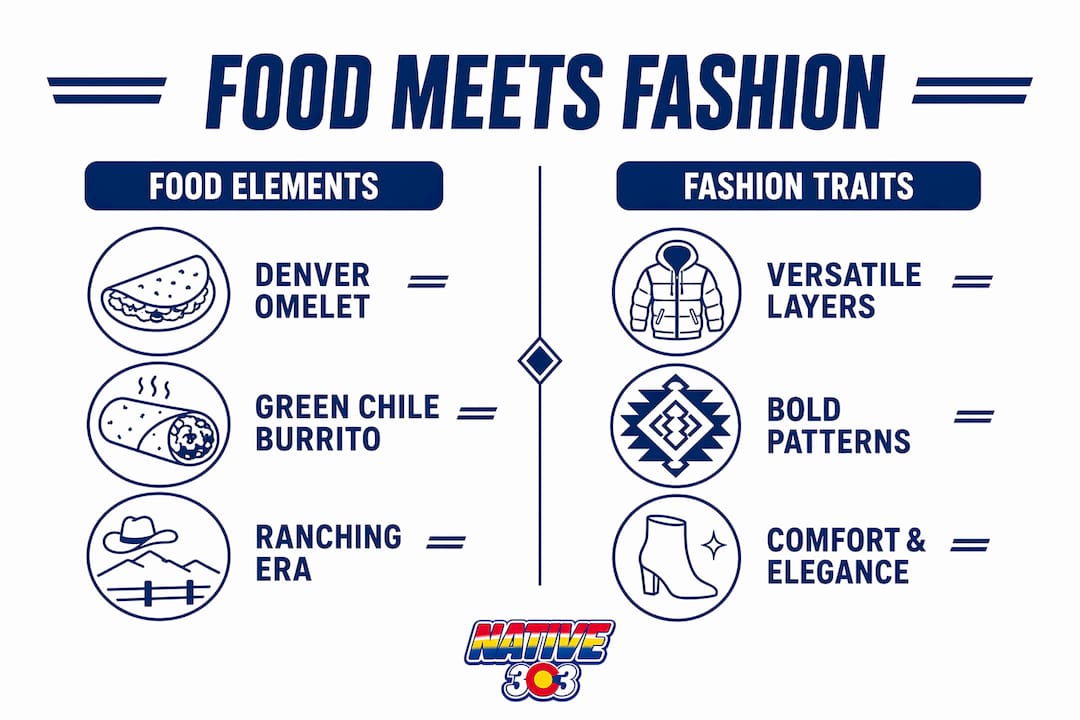
This mapping is not metaphorical. Local creators physically embed food culture into clothing by using culinary byproducts as textile dyes, including hibiscus juice and plant-based pigments. The result is apparel that carries Denver's food heritage in its actual material, not just its imagery.
How Denver Fashion Week connects dining and runway
Denver Fashion Week does not treat dining as a side event. It treats dining as part of the show. Pre-show dining choices during the Spring 2026 season were deliberately curated to mirror runway themes, turning the meal into an extension of the fashion experience.
The Spring 2026 program included eight runway shows featuring an Outerwear and Athleisure category that directly reflects the hybrid nature of Denver dining. A city where you can ski in the morning and eat at a polished restaurant by evening needs clothing that moves between those worlds. Denver Fashion Week made that need explicit.
Fashion categories that emerged from this dining-runway connection include:
- Polished casual: Elevated basics that work at a chef's counter or a rooftop bar.
- Mountain-city hybrid: Technical fabrics with refined cuts, reflecting the city's outdoor-to-urban lifestyle.
- Streetwear with intention: Bold graphics and relaxed fits inspired by RiNo's mural culture and its dining destinations.
- Athleisure refined: Performance-ready pieces styled for social dining, not just the gym.
Pro Tip: When attending Denver Fashion Week events, choose your pre-show restaurant based on the runway category you plan to see. Dining at a RiNo spot before a streetwear show, or at a polished downtown venue before a formal collection, creates a cohesive personal narrative that makes your outfit feel deliberate.
How RiNo's art and food culture shape bold fashion
The River North Art District, known as RiNo, is the clearest example of creative dining and fashion connections in Denver. The neighborhood's murals are not decoration. They are a visual argument for boldness, and the restaurants that operate beneath them attract diners who accept that argument.
Art and fashion intertwine with food culture in RiNo in a way that is visible on the street. Patrons who eat at mural-adjacent dining spots dress differently than patrons at quieter neighborhoods. The color saturation of the walls enters their wardrobe choices. The graphic scale of the murals shows up in oversized prints and statement pieces.
This influence extends beyond aesthetics. Clothes function as storytelling tools that connect wearers to the city's culinary heritage and social rituals. In RiNo, that story is about creative risk. The neighborhood rewards people who dress like they mean it, and the restaurants there are part of that reward system.
Specific ways RiNo's food and art culture shape fashion expression:
- Bold color palettes drawn from mural pigments appear in seasonal clothing choices across the neighborhood.
- Graphic tees and printed outerwear reference local street art in ways that signal neighborhood belonging.
- Wearable art pieces that reference Denver's visual culture find their most receptive audience in RiNo's dining and gallery circuit.
Key Takeaways
Denver's eateries shape fashion by creating immersive social environments where interior design, culinary history, and neighborhood identity translate directly into personal style choices.
| Point | Details |
|---|---|
| Restaurant interiors set dress codes | Materials like stone and leather cue guests into specific aesthetic registers before they sit down. |
| Culinary history drives design | Denver's food roots, from the Denver omelet to ranch culture, give designers a concrete identity to work with. |
| Denver Fashion Week formalizes the link | Spring 2026 programming explicitly connected dining rituals with runway categories like Outerwear and Athleisure. |
| RiNo amplifies bold expression | Mural culture and culinary destinations in RiNo push patrons toward visually bold, artistic clothing choices. |
| Food materials enter fashion | Local creators use plant-based dyes and culinary byproducts to physically embed food heritage into apparel. |
Rob's take: Denver's restaurants are the real fashion editors
I have spent years watching fashion cities claim their identity through runways and retail. Denver does something different. The restaurants here do the editing that fashion editors do elsewhere. They decide what looks right, what feels out of place, and what earns a second glance.
What strikes me most is how specific this is to Denver. The city's outdoor culture means a restaurant can be simultaneously rugged and refined, and the clothing that works inside it has to carry both qualities at once. That is a genuinely difficult design problem, and the fact that local designers like Beatriz Warger are solving it in public, at Denver Fashion Week, means the conversation is getting serious.
The RiNo effect is real and underappreciated. I have watched people change how they dress simply by eating in that neighborhood regularly. The murals are not passive. They make demands. And the restaurants underneath them attract people who are willing to meet those demands with what they wear.
What I find most compelling is the material dimension. When a designer uses hibiscus dye or plant-based pigment sourced from culinary tradition, the clothing is not just inspired by food culture. It is made from it. That is a level of authenticity that most fashion cities cannot claim, and Denver should be louder about it.
— Rob
Native303apparel: Denver's dining scene, worn
Denver's food and fashion culture deserves clothing that carries its weight. Native303apparel designs pieces inspired by the city's iconic eateries, neighborhoods, and social rituals, built for the person who moves between a RiNo brunch and a downtown dinner without changing their sense of self.
The Native303apparel collection captures the versatility that Denver dining demands, from polished casual to bold graphic pieces rooted in local visual culture. Every design tells a story grounded in the city's real history. If you want to wear Denver rather than just visit it, the full collection and size guide are ready for you.
FAQ
Why do Denver eateries influence local fashion trends?
Denver restaurants create immersive social environments where interior design, neighborhood identity, and communal dining rituals establish shared aesthetic codes that translate directly into clothing choices.
How does Denver Fashion Week connect to the city's dining scene?
Denver Fashion Week's Spring 2026 programming included curated pre-show dining experiences that mirrored runway themes, treating dining and fashion as a single unified cultural event rather than separate activities.
What role does RiNo play in Denver's fashion and food connection?
RiNo's combination of large-scale murals and culinary destinations creates a visual environment that actively shapes how patrons dress, rewarding bold, artistic clothing choices that reflect the neighborhood's aesthetic.
How does Denver's culinary history shape fashion design?
Signature dishes and ranching-era food culture from the 1920s onward established an aesthetic of comfort and accessibility that contemporary designers like Beatriz Warger translate into polished, locally grounded clothing.
Can food materials actually appear in fashion design?
Local creators use culinary byproducts including hibiscus juice and plant-based dyes as textile pigments, physically embedding Denver's food heritage into the fabric of the clothing itself.