
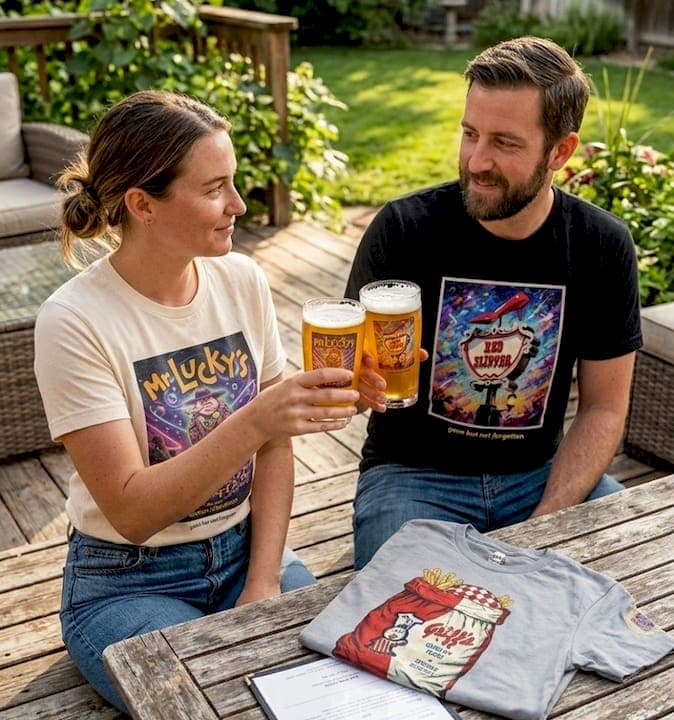
Denver neighborhood culture tees are defined as apparel designed around the distinct histories, art movements, and social identities of specific Denver districts. These are not generic city souvenirs. The types of Denver neighborhood culture tees you find today reflect real places: RiNo’s mural walls, Five Points’ jazz legacy, Baker’s century-old bungalows, and Capitol Hill’s layered counterculture. Native303apparel builds its entire catalog around this idea, treating each neighborhood as a living story worth wearing. If you want a shirt that means something, the neighborhood it comes from matters more than the font on the front.
1. What makes Denver neighborhood culture tees unique?
Authentic Denver cultural t-shirts draw from sources that generic apparel ignores entirely. The most meaningful designs pull from three distinct wells: physical architecture, community behavior, and cultural memory.
Denver’s neighborhood identities are tied to historic housing and low-pressure social exchanges rather than manufactured branding. That distinction matters. A tee inspired by Baker’s pre-1900 brick rowhouses carries a different visual weight than one slapped with a mountain silhouette and a zip code.
The social layer runs just as deep. Repeated casual interactions at coffee shops, breweries, and dog parks build the invisible infrastructure of a neighborhood’s culture. Authentic tees aim to represent that intangible texture, not just the skyline.
What separates a strong neighborhood culture tee from a weak one:
-
Architectural reference: Specific housing styles, storefronts, or landmarks tied to one neighborhood
-
Cultural event motifs: Seasonal art walks, jazz festivals, and block parties that define the calendar
-
Community symbols: Icons recognized by residents, not tourists
-
Color palettes rooted in place: RiNo’s spray-paint spectrum versus Capitol Hill’s darker, moodier tones
Pro Tip: Before buying, ask whether the design could belong to any other city. If yes, it is a souvenir. If no, it is a neighborhood culture tee.
2. RiNo tees: street art and creative energy
RiNo (River North Art District) produces the most visually aggressive tees in Denver’s neighborhood apparel scene. The neighborhood features galleries and murals at a density that makes it one of the most photographed districts in Colorado. That visual richness translates directly into tee design.
RiNo tees typically use bold graphic compositions, layered spray-paint textures, and abstract mural-inspired shapes. The color work tends to be saturated and high-contrast. These shirts signal creative identity and work equally well at a gallery opening or a weekend farmers market.
The neighborhood’s energy is forward-looking. RiNo tees rarely reference nostalgia. They celebrate what is being made right now, which makes them a strong choice for readers who identify with Denver’s arts community.
3. Five Points tees: jazz legacy and Black heritage
Five Points is Denver’s most historically significant cultural neighborhood, and its tees carry that weight. Jazz legends and historic venues like Cervantes’ define its identity, and that legacy remains strong in 2026.
Five Points tees lean into music iconography, vintage typography, and imagery tied to the neighborhood’s role as a center of Black culture in the Mountain West. The designs honor a community that built its identity from the inside out. Five Points residents emphasize their neighborhood as a unique cultural force distinct from any other American jazz district. That pride shows up in tees that avoid easy comparisons and instead celebrate specific local history.
Wearing a Five Points tee is a statement about cultural preservation. It signals that you know the difference between a neighborhood’s real story and its tourist version.
4. Baker tees: gritty vintage and historic housing
Baker sits just south of downtown and carries one of Denver’s most distinctive aesthetic identities. More than 80% of Baker’s homes predate 1900, giving the neighborhood a physical texture that newer districts simply cannot replicate.
Baker tees reflect that grit. Designs often use worn-in graphics, distressed print effects, and references to the neighborhood’s mix of antique shops, dive bars, and independent restaurants. Baker’s coexisting grit and quality make it one of Denver’s most interesting design sources. The tees feel lived-in by intention.
If your personal style runs toward vintage Americana with a local edge, Baker neighborhood culture apparel is the most direct expression of that aesthetic in Denver’s tee market.
5. Capitol Hill tees: bohemian and queer cultural history
Capitol Hill is the neighborhood that resists easy categorization, and its tees reflect that refusal. Capitol Hill’s cultural persistence owes to its layered history of punk rockers, LGBTQ+ activists, artists, and longtime residents who never left. It remains dense, eclectic, and walkable in a way that most Denver neighborhoods are not.
Tees from Capitol Hill lean into that complexity. Expect bold typography, references to queer culture, and designs that feel confrontational in the best sense. These are not shirts for blending in. They are shirts for people who know exactly which block they are standing on and why it matters.
Enduring Denver neighborhood cultures thrive because they resist engineered branding and instead evolve through diverse overlapping populations. Capitol Hill tees embody that principle more than any other neighborhood style.
6. Lavender Hill tees: LGBTQ+ pride and cultural preservation
Lavender Hill is Denver’s formally designated LGBTQ+ cultural district, covering Capitol Hill and Baker. Lavender Hill’s designation brings together two neighborhoods with deep queer histories under one cultural umbrella. Tees from this district carry that dual identity.
Designs typically incorporate Pride color references, community symbols, and imagery tied to the district’s history of activism and celebration. These tees serve a preservation function as much as a fashion one. Wearing them signals active support for a community that fought to define its own cultural space in Denver.
Seasonal art walks and cultural events within Lavender Hill feed directly into tee motifs. The district’s calendar is part of its identity, and the best tees capture that living, ongoing quality.
7. How to choose a Denver neighborhood culture tee that fits your values
Choosing the right local culture shirt starts with one honest question: which neighborhood’s story actually connects to your life? Buying a Five Points jazz tee because it looks cool is different from buying it because you grew up going to shows at Cervantes’. Both are valid, but the second one will mean more to you in five years.
After you identify your neighborhood connection, focus on design specifics:
-
Design depth: Does the graphic reference something specific, or could it belong to any city?
-
Production source: Local production supports Denver’s creative economy directly
-
Cultural accuracy: Does the design reflect the neighborhood’s actual history, or a simplified version of it?
-
Fit and comfort: A tee you wear constantly does more cultural work than one that sits in a drawer
Pro Tip: Check the size guide before ordering. A well-fitting tee gets worn more often, which means the design gets seen more often.
Cultural district designations come with pride and caution. Residents value historic continuity over trend-driven branding. The best tees reflect that same value system.
8. Generic local tees versus authentic Denver neighborhood culture tees
Generic local tees and authentic neighborhood culture apparel serve completely different purposes. The difference shows up in every design decision.
| Attribute | Generic local tees | Authentic neighborhood tees |
|---|---|---|
| Design inspiration | City name, mountain silhouette, state outline | Specific neighborhood history, murals, or landmarks |
| Cultural depth | Surface-level, broadly recognizable | Rooted in community stories and local memory |
| Production source | Mass-produced, often out of state | Local or small-batch, supporting Denver creators |
| Community impact | Minimal connection to local economy | Supports neighborhood artists and cultural preservation |
| Wearability over time | Feels dated quickly | Gains meaning as the neighborhood’s story continues |
The gap between these two categories is not about price. It is about intention. A generic tee communicates that you visited Denver. An authentic neighborhood tee communicates that you understand it.
Key takeaways
The most meaningful Denver neighborhood culture tees are defined by specific cultural references, not generic city imagery, making neighborhood identity the single most important factor in choosing one.
| Point | Details |
|---|---|
| Neighborhood specificity matters | Tees tied to RiNo, Five Points, Baker, or Capitol Hill carry distinct cultural meaning that generic city shirts cannot replicate. |
| Social fabric drives authenticity | The best designs reflect community behaviors and local history, not just visual landmarks. |
| Cultural preservation is a function | Wearing Five Points or Lavender Hill tees actively supports the communities that built those identities. |
| Design depth separates tiers | Ask whether the graphic could belong to any other city. If yes, it is not a neighborhood culture tee. |
| Fit affects cultural impact | A tee worn regularly does more cultural work than one that stays in a drawer. |
Why neighborhood tees are the most honest thing in your closet
I have spent years watching Denver’s neighborhoods change, and the one thing that stays consistent is how much residents care about the difference between authentic representation and surface-level branding. Capitol Hill does not want to be flattened into a rainbow flag on a white tee. Five Points does not want to be reduced to a trumpet clip art. These neighborhoods have earned their complexity, and the tees that honor that complexity are the ones people actually keep.
What strikes me most is how the social layer of a neighborhood, the morning dog walks, the regulars at the corner bar, the faces you recognize at the art walk, never makes it into generic apparel. It is invisible to anyone who did not live it. But the best neighborhood culture tees somehow capture that feeling anyway. You put one on and someone across the room nods because they know exactly what block you are referencing.
My honest advice: buy the tee for the neighborhood you actually know. The one where you have a regular order at the coffee shop, or where you remember a specific show at a specific venue. That personal connection is what makes the shirt worth wearing. Everything else is just a souvenir.
— Rob
Denver neighborhood tees from Native303apparel
Native303apparel builds its collection around exactly the kind of cultural depth described in this guide. Every design draws from the real memories of Denver’s neighborhoods: the venues, the storefronts, the moments that defined specific blocks and specific eras.
The Native303apparel store carries tees inspired by Denver’s most culturally distinct districts, designed for readers who want apparel that tells a real story. Each piece connects to the social fabric and history that makes Denver’s neighborhoods worth representing. If you want to know more about the mission behind the designs, the about page lays it out directly. These are not mass-produced city shirts. They are neighborhood culture apparel made for people who know the difference.
FAQ
What are the main types of Denver neighborhood culture tees?
The main types are defined by neighborhood: RiNo street art tees, Five Points jazz and heritage tees, Baker vintage tees, Capitol Hill bohemian and queer culture tees, and Lavender Hill pride tees. Each style draws from the specific history and social identity of its district.
What makes a Denver neighborhood tee authentic?
Authentic neighborhood tees reference specific cultural histories, local landmarks, and community symbols rather than generic city imagery. The design should be recognizable to residents, not just visitors.
How does Five Points’ history influence its tee designs?
Five Points’ identity as Denver’s historic jazz and Black cultural center shapes tees that use music iconography, vintage typography, and imagery tied to the neighborhood’s legacy of artistic resilience and community pride.
What is the Lavender Hill cultural district?
Lavender Hill is Denver’s formally designated LGBTQ+ cultural district, covering Capitol Hill and Baker. Tees from this district incorporate Pride symbols, activism history, and imagery from the district’s seasonal cultural events.
How do I choose the right Denver neighborhood culture tee?
Choose based on your genuine connection to a neighborhood’s story. Then evaluate the design for cultural specificity, local production, and accurate representation of the neighborhood’s actual history.