
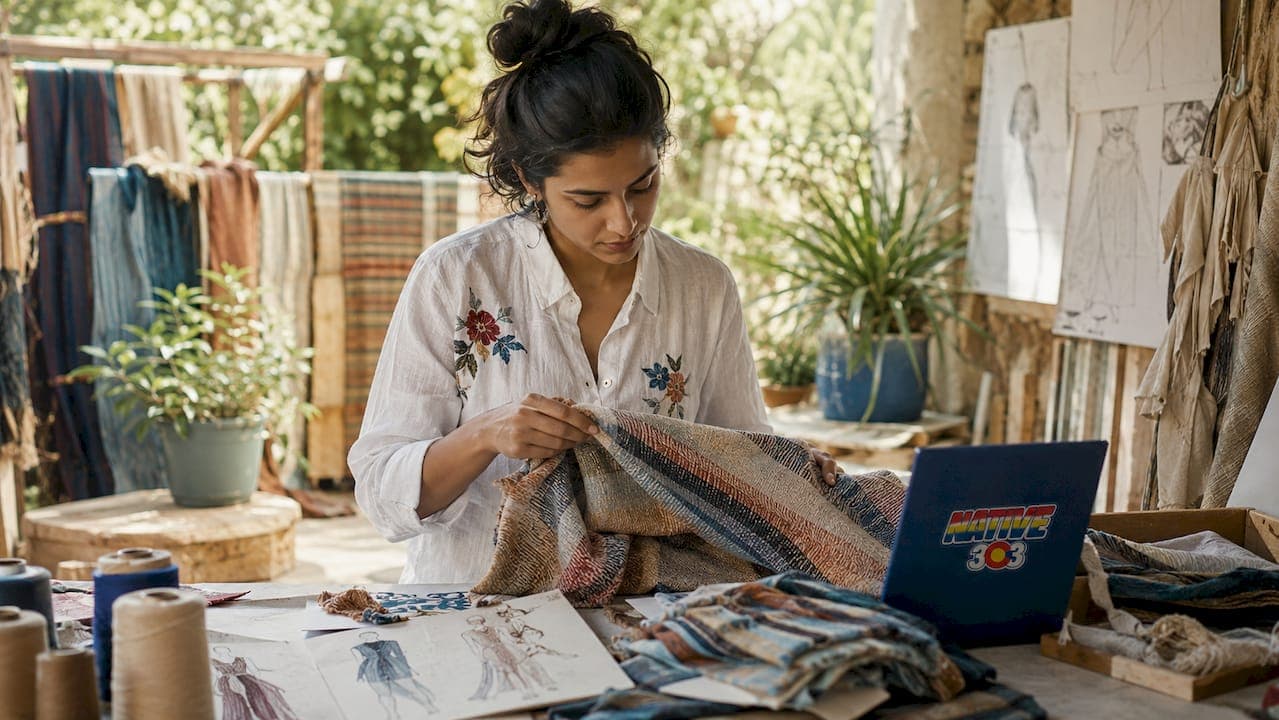
Place-based fashion is defined as a production and design model where apparel is sourced, made, and culturally shaped within a specific geographic locale, creating a reciprocal relationship between garments, makers, and the environment. This approach stands apart from global fast fashion by rooting every creative decision in local materials, labor, and community heritage. Native303apparel embodies this ethos through designs inspired by metro Denver's iconic eateries, clubs, and shops. The concept draws on place-based design principles that prioritize ecological accountability over extractive supply chains. For fashion enthusiasts and cultural creatives, understanding this model means seeing clothing as a form of cultural journalism.
What is place-based fashion and what are its core principles?
Place-based fashion is anchored in one foundational idea: geography is a creative force, not just a shipping address. Every element of the garment, from raw fiber to finished stitch, connects to a specific place and the people who live there. The industry term most closely aligned with this concept is "localized fashion systems," though "place-based fashion" has become the working phrase among sustainability practitioners and cultural designers.
The core principles break down into three interconnected areas:
- Local sourcing: Materials, dyes, and fibers come from within or near the production region. British Peregrine, for example, operates within a 60-mile production radius, sourcing wool from regional sheep farms and processing it at nearby mills. That geographic constraint forces quality decisions that global supply chains rarely require.
- Cultural narrative: The design process draws from local history, architecture, food culture, and community memory. A garment is not just a product. It is a document of place.
- Reciprocity: The brand gives back to the community and ecosystem it draws from, through fair wages, environmental stewardship, and artisan empowerment.
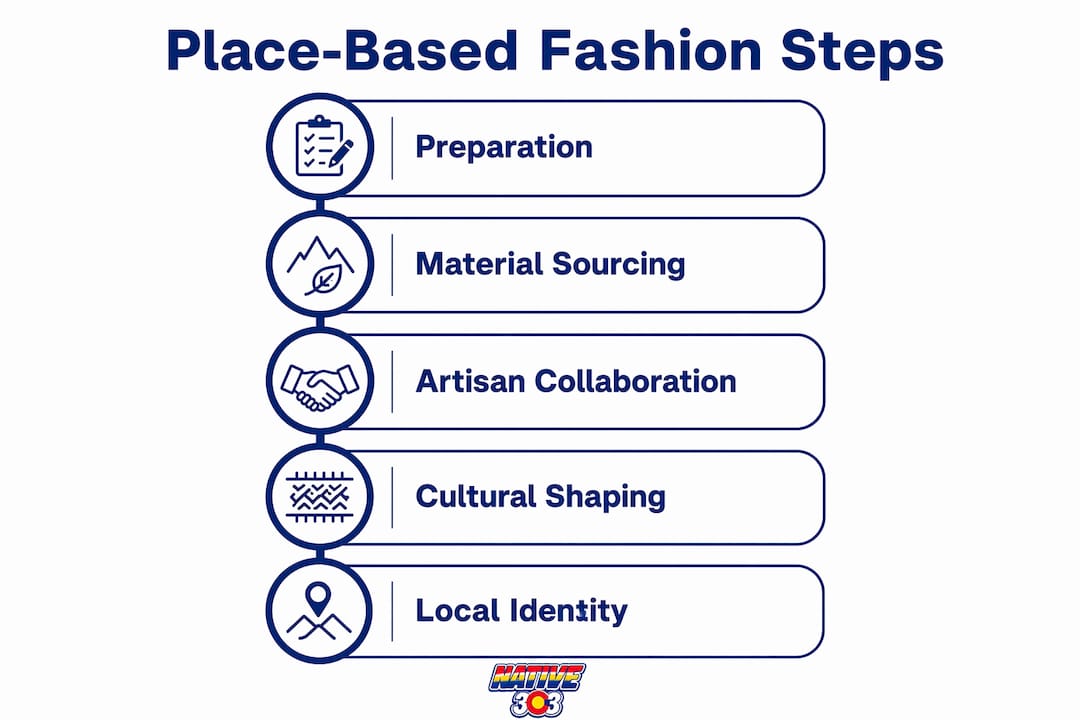
The design process itself follows a structured path. Place-based textile design moves through four phases: preparation, alternative generation, selection, and realization. Each phase links creative decisions to heritage valorization, meaning designers actively research and honor local traditions rather than borrowing surface aesthetics.
Pro Tip: Before launching a place-based collection, spend time in the community you are designing for. Attend local markets, talk to artisans, and document the textures, colors, and stories that define the place. That research becomes your design brief.
How does place-specific fashion reflect and reinforce local identity?
Place-specific fashion does something global brands cannot replicate: it creates micro-belonging. Cultural localism decentralizes fashion influence from cities like Paris and New York to thousands of hyper-specific, culturally rich ecosystems. That shift is a direct response to the flattening effect of algorithm-driven aesthetics on social media.
When a garment carries the story of a specific place, it becomes a marker of cultural identity for the people who live there and a window into that world for everyone else. This is how place-based fashion functions as cultural journalism. The garment reports on a community's history, its materials, its seasonal rhythms, and its values.
Four ways place-based fashion reinforces local identity:
- Heritage textile revival: Designers work with traditional weaving, dyeing, or embroidery techniques that might otherwise disappear. Jagrity Phukan's Way of Living Studio in Assam revives Muga and Eri silk traditions by empowering rural women artisans as active design partners, not just production labor.
- Indigenous couture: Designers like Sage Mountainflower use regional plant-based dyes and indigenous materials to tell stories that mainstream fashion has historically ignored.
- Community co-creation: Local residents, historians, and craftspeople contribute to the design process, making the final garment a collective expression rather than a single designer's vision.
- Regional exclusivity: Limited editions sold within a specific region build cultural capital. Owning the piece signals that you understand its context.
"Place-based fashion creates scarcity through the cultural literacy required to understand the garment's provenance, making local knowledge a new luxury marker. Limited editions sold regionally build cultural capital and consumer loyalty that global brands cannot manufacture."
This redefinition of luxury matters. Cultural insider knowledge becomes the premium, not the price tag. A Denver resident who wears a piece referencing a beloved neighborhood diner carries a story that no algorithm can generate.
What are real-world examples of place-based fashion in action?
The most instructive examples of place-based fashion share one quality: the place is inseparable from the product. Remove the geographic context and the garment loses its meaning entirely.
| Brand / Designer | Location | Place-Based Method | Key Outcome |
|---|---|---|---|
| British Peregrine | United Kingdom | Sheep to mill to factory within 60 miles | Reduced transport emissions, traceable wool |
| Jagrity Phukan / Way of Living Studio | Assam, India | Muga and Eri silk revival with rural women | Artisan empowerment, preserved silk traditions |
| Sage Mountainflower | Indigenous American regions | Indigo Threads collection using regional plant dyes | Cultural storytelling through material provenance |
| Native303apparel | Metro Denver, Colorado | Designs rooted in Denver's eateries, clubs, and shops | Nostalgia-driven community identity in apparel |
British Peregrine's model is the most documented blueprint for place-based production in Western fashion. Their integrated supply chain keeps every step local, from the sheep grazing on British pastures to the factory workers finishing the garments. The result is a product with full traceability and a significantly lower carbon footprint than comparable global brands.
Jagrity Phukan's approach goes further by making artisan collaboration a design foundation, not an afterthought. Rural women in Assam are active partners in the creative process. That structure preserves indigenous silk techniques while generating sustainable income for communities that global fashion has historically bypassed.
Native303apparel applies this same logic to metro Denver. Designs reference the cultural memory of Denver eateries, clubs, and neighborhoods, turning local nostalgia into wearable identity. The brand treats Denver's history as a living design archive.
Pro Tip: Study how British Peregrine maps its supply chain publicly. Transparency about sourcing geography is one of the most effective ways to build trust with consumers who care about provenance.
What are the challenges and benefits of adopting place-based fashion?
Place-based fashion is not a simple pivot. It requires structural commitment and a willingness to accept trade-offs that mainstream fashion avoids entirely.
The core challenges are real:
- Higher production costs: Local labor and materials cost more than global equivalents. Margins are tighter, and pricing must reflect that reality honestly.
- Scale limitations: Place-based models cannot align with fast fashion's volume or speed. Growth is slower and more deliberate.
- Infrastructure gaps: Local manufacturing ecosystems often lack the specialized machinery, skilled labor, or supply networks that global production takes for granted. Scaling place-based fashion beyond niche markets requires policy support and infrastructure investment.
- Distribution constraints: Most place-based brands rely on direct-to-consumer or community-focused channels to stay viable, which limits reach but deepens loyalty.
"Place-based fashion prioritizes care, reciprocity, and accountability to both communities and ecosystems, moving fashion systems toward intergenerational justice. This shift redefines fashion's ethical frameworks beyond profit to sustainable stewardship."
The benefits, however, are durable in ways that trend-driven fashion is not. Reduced carbon emissions from shorter supply chains, preserved artisan knowledge, ethical labor conditions, and genuine community resilience all compound over time. A brand built on place-based principles does not become irrelevant when a trend cycle ends. Its value is rooted in something that does not expire.
How can you create or engage with place-based fashion?
Engaging with place-based fashion requires intention at every step. Whether you are a designer building a collection or a fashion enthusiast choosing where to spend, the same principles apply.
- Map your place first. Identify the specific geographic and cultural context you want to work within. Research its textile history, its artisan communities, its natural materials, and its visual culture. Denver's neighborhood culture is as valid a starting point as Assam's silk traditions.
- Source locally with intention. Find suppliers, dyers, weavers, or printers within your region. Prioritize relationships over transactions. A local mill that understands your vision is worth more than a cheaper overseas option.
- Build reciprocal artisan partnerships. Effective artisan collaborations involve long-term, participatory design processes. Artisans should shape the work, not just execute it.
- Tell the provenance story. Every garment needs a narrative that connects the consumer to its origin. Labels, lookbooks, and social content should explain where materials came from and who made them.
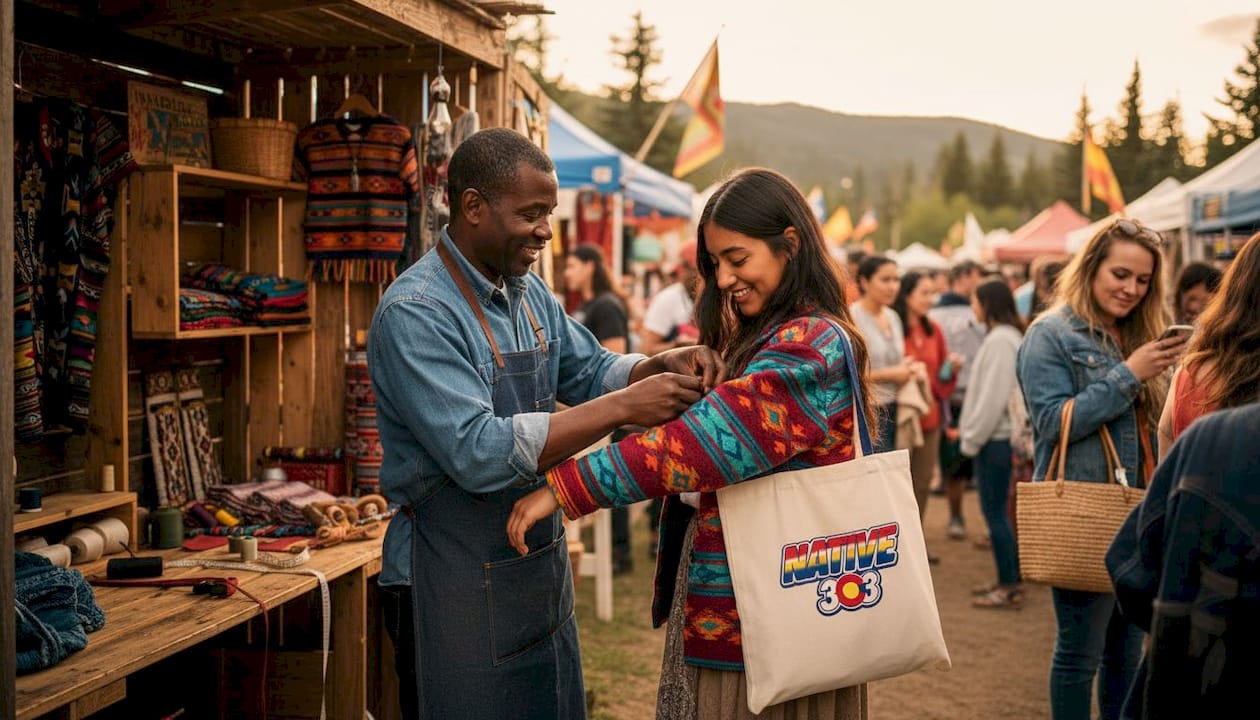
- Build community around the work. Host local events, collaborate with regional artists, and create spaces where the community that inspired the collection can engage with it directly. Native303apparel's approach to Denver wearable art shows how community storytelling becomes a brand identity.
Cultural literacy is the skill that ties all of these steps together. You cannot design respectfully for a place you do not understand. That understanding takes time, and that time is the work.
Key Takeaways
Place-based fashion is the most durable model in apparel because it roots value in community, culture, and geography rather than trend cycles.
| Point | Details |
|---|---|
| Core definition | Place-based fashion sources materials, labor, and aesthetics from a specific geographic locale. |
| Cultural function | Garments serve as cultural journalism, documenting community history and local identity. |
| Real-world models | British Peregrine and Jagrity Phukan's studio show two proven approaches to local production. |
| Key challenge | Tighter margins and scale limits require direct-to-consumer distribution to stay viable. |
| Engagement path | Start by mapping your place, sourcing locally, and building long-term artisan partnerships. |
Why place-based fashion is the most honest thing happening in apparel right now
I have watched fashion cycle through sustainability claims for years. Most of them are marketing. Place-based fashion is different because the geography itself holds the brand accountable. You cannot fake a 60-mile supply chain. You cannot manufacture the cultural memory of a specific neighborhood. Either the work is rooted in a real place, or it is not.
What strikes me most is how this model reframes luxury. The premium is not the fabric weight or the logo. It is the knowledge required to understand what you are wearing and why it matters. That is a harder thing to sell, and a much harder thing to copy. A garment that carries the story of Denver's old jazz clubs or Assam's silk weavers holds value that a trend-driven piece simply cannot.
The brands doing this well treat their communities as creative partners, not source material. That distinction changes everything about how the work feels and how long it lasts. Fashion enthusiasts who want to wear something genuinely meaningful should look for that quality first.
— Rob
Native303apparel: Denver's place-based fashion story
Native303apparel was built on exactly the principles this article describes. Every design draws from the cultural memory of metro Denver, referencing the eateries, clubs, and shops that shaped the city's identity across generations.

If you have ever wanted to wear a piece of Denver history rather than just visit it, Native303apparel's collection is where that starts. The brand treats local nostalgia as a design language, producing one-of-a-kind apparel that connects you to a specific place and time. Browse the full collection at Native303apparel's store and find the piece that tells your Denver story.
FAQ
What is the definition of place-based fashion?
Place-based fashion is a production and design model that sources materials, labor, and aesthetic inspiration from a specific geographic locale. It creates a reciprocal relationship between garments, makers, and the local environment.
How does place-based fashion differ from slow fashion?
Slow fashion focuses on reducing production speed and waste broadly, while place-based fashion specifically anchors every production decision to a defined geographic community and its cultural heritage.
What are the best examples of place-based fashion brands?
British Peregrine's integrated wool supply chain and Jagrity Phukan's Way of Living Studio in Assam are two of the most documented examples, each rooting production and design in a specific regional context.
Why does place-based fashion matter for sustainability?
Shorter supply chains reduce carbon emissions, local sourcing supports ecological accountability, and community-rooted production preserves artisan knowledge across generations.
How can fashion enthusiasts support place-based fashion?
Buy from brands that publicly document their sourcing geography, prioritize direct-to-consumer regional labels, and look for garments that carry a clear provenance story tied to a specific community.