

A reliable authentication workflow for exclusive tees starts with a digital tap or scan first, then serial matching, then visual checks. If you can run those three steps in sequence, you can triage any limited-edition Denver-themed tee in under two minutes. Native303apparel builds this verification chain into every drop, so buyers always have something concrete to check.
Quick tl;dr checklist:
- Tap the NFC chip or scan the QR code and confirm the URL resolves to the brand's own domain
- Ask the seller for a live tap in your presence, not a screenshot
- Match the serial number on the product, the certificate of authenticity (COA), and the digital record
- Check seams, neck label, and print placement with your own eyes
Key Takeaways
Reliable exclusive tee authentication requires digital verification first, serial matching second, and visual inspection third, in that order every time.
| Point | Details |
|---|---|
| Digital tap comes first | Tap the NFC chip or scan the QR code live and confirm the URL resolves to the brand's own domain. |
| Serials must match across three sources | The serial on the product, the COA card, and the digital tap result must all agree exactly. |
| Packaging is a verification signal | Branded mailers and unique inserts are harder to fake than the garment; keep them intact. |
| Red flags require escalation | Refusal to tap, generic auth pages, or mismatched serials should stop the transaction immediately. |
| Native303apparel | Every drop ships with serialized documentation and branded packaging buyers can verify directly. |
Table of Contents
- What should you do before buying or listing an exclusive tee?
- How does digital authentication actually work for exclusive tees?
- What visual and tactile checks confirm a tee is genuine?
- What documentation actually proves a tee is authentic?
- What red flags should stop a transaction immediately?
- How should small sellers prove provenance and reduce disputes?
- When should you use a third-party verification service?
- How should you store and ship authenticated tees to preserve proof?
- What emerging anti-counterfeiting tech should you know about?
- Why Native303apparel built verification into every drop
- Native303apparel makes provenance easy for Denver tee buyers
- Sources
What should you do before buying or listing an exclusive tee?
Run these steps in order before any money changes hands.
- Ask for a live tap or scan. The seller should tap the NFC chip or scan the QR code in real time, with you watching. Remote buyers: request a short video showing the tap and the resulting page.
- Confirm the domain. The URL that loads must belong to the brand or its verified authentication provider, not a generic third-party redirect.
- Request a photo of the serial on the product and on the COA. Both numbers must match.
- Inspect the packaging. Branded mailers, unique inserts, and serialized cards are harder for counterfeiters to replicate than the garment itself, according to brand-protection research on security labeling.
- Confirm seller provenance. Ask how and where the seller originally purchased the tee. A coherent story with receipts or order emails is a positive signal.
Steps 1 and 2 can be done remotely via video. Steps 3, 4, and 5 require photos or the physical item.
Pro Tip: Never accept a screenshot of an authentication page as proof. Screenshots can be faked in minutes. A live tap that loads a product-specific page in real time is the only digital check worth trusting.
How does digital authentication actually work for exclusive tees?
NFC cryptographic challenge-response is the most reliable consumer-facing method available. Each tap produces a dynamic response validated against the brand's backend, so a cloned or absent chip fails immediately.
Here is how to run the check:
- Locate the chip or code. On most exclusive tees, the NFC chip sits in a stitch tag, an inner label, or a boxed insert. A serialized QR code often appears on the same tag or on a separate COA card.
- Enable NFC on your phone (Settings > Connected Devices on Android; iPhone XS and later read NFC automatically with the camera app). For QR codes, use your phone's native camera.
- Tap or scan live. Hold the phone near the tag until the browser opens. For a QR code, point the camera until the link appears.
- Read the result page carefully. A genuine result shows the brand's own domain, a product-specific serial number, manufacture details, and an ownership history or transfer log if the item has been resold before.
- Check the URL character by character. Look for misspellings, extra subdomains, or URL shorteners that mask the real destination.
What a genuine tap result looks like: The page loads on the brand's verified domain, displays the exact serial number matching the physical tag, shows the original release date and edition details, and lists any prior ownership transfers. Generic pages that say only "Verified Authentic" with no product-specific data are a red flag, not a green light.
Pro Tip: If the seller says the chip "stopped working" or the QR code is "worn off," treat that as a red flag, not an excuse. Chips embedded in quality tags are durable. Damage is possible but rare on a well-kept tee.
What visual and tactile checks confirm a tee is genuine?
Digital verification is the first layer. Visual inspection is the second, and it catches things a chip alone cannot confirm, like a genuine garment paired with a stolen or transferred tag.
- Stitching consistency: Seams should be even, with no skipped stitches or puckering. Overlock stitching on the hem and sleeves should lie flat.
- Neck label geometry: The label should sit centered, stitched on all four sides, and printed with sharp, unblurred text. A glued label is an immediate red flag.
- Care tag content: Check for correct fiber content, country of origin, and care symbols. Misspellings or missing regulatory text are common on fakes.
- Print alignment and scale: Compare the graphic placement against official product images. Off-center prints, color shifts, or scaled-down artwork are signs of a reproduction.
- Fabric hand-feel: Authentic limited tees typically use a heavier, ring-spun cotton. Thin, scratchy fabric on a supposedly premium drop is worth questioning.
- Color accuracy: Hold the tee under natural light and compare it to official photos. Faded or oversaturated colors often indicate lower-quality screen printing.
For tees with added hardware (eyelets, rivets, zipper pulls on a jacket-style piece), check engraving crispness. Blurry or shallow engravings are a common shortcut counterfeiters take, as noted in visual authentication guides for designer pieces.
Pro Tip: Ask the seller for four specific photos: the inside neck label, the care tag, the print at close range, and the packaging insert. Those four images reveal more than any full-body shot.
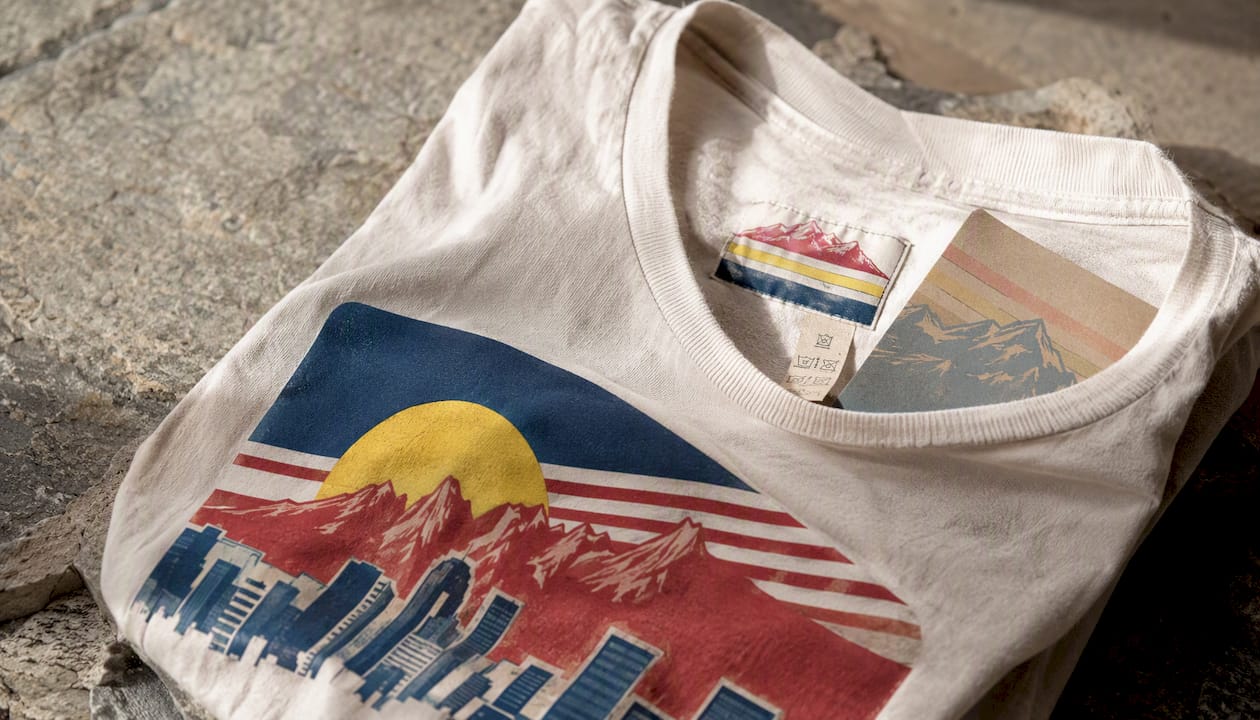
When buying Denver-themed designs, cross-reference the graphic details against how to spot genuine Denver-inspired clothing designs for region-specific cues.
What documentation actually proves a tee is authentic?
Documents support the digital and visual checks. They do not replace them. Here is what to request and how to cross-check it.
Documents to request:
- Original purchase receipt or order confirmation email
- Shipping confirmation with tracking number
- COA card with serial number
- Brand registration email (if the original owner registered the item)
- Marketplace transaction history for pre-owned items
How to cross-check serials:
- Read the serial number printed on the physical tag.
- Read the serial on the COA card.
- Tap the NFC chip or scan the QR code and read the serial on the result page.
- All three must match exactly, character for character.
A best-practice provenance flow confirms the release announcement, matches serials across product, COA, and digital token, and requests maker proof where available.
A seller with a full documentation set (receipt, shipping email, COA, matching serials, and a live tap) presents a coherent provenance chain. A seller offering only a screenshot of a receipt and a refusal to tap the chip presents a broken one. Treat the latter as high risk regardless of how convincing the garment looks.
Marketplace transaction history (eBay purchase records, StockX order pages) adds supporting evidence but is not a substitute for serial matching. Use it to confirm the sale date and price align with the release timeline.
What red flags should stop a transaction immediately?
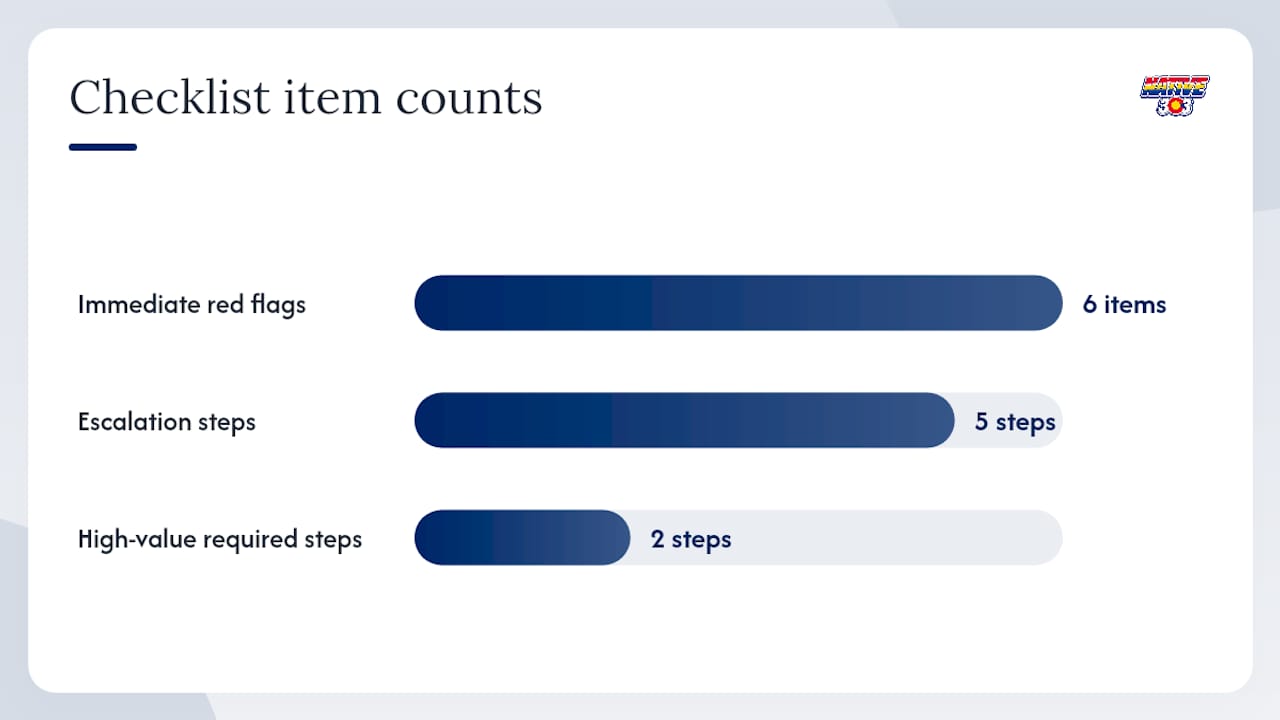
Stop the transaction if you see any of these:
- Seller refuses to perform a live tap or scan
- Authentication page loads but shows no product-specific serial or release data
- Serial number on the product does not match the COA or the digital record
- Listing uses only stock photos with no in-hand images
- Release details (colorway, edition number, drop date) are inconsistent with official announcements
- Seller applies pressure to close quickly or discourages questions
If something looks suspicious, escalate in this order:
- Ask for a live tap via video call.
- Request timestamped, in-hand photos of the serial tag and packaging.
- Propose an escrow arrangement so payment releases only after you receive and verify the item.
- Suggest meeting at a verified pickup point (a post office, a retail location) for in-person inspection.
- Demand a return window in writing before sending payment.
For high-value items, walk away if the seller refuses steps 1 and 2. The risk is not worth the price. Save all chat logs, photos, and screenshots before exiting the conversation. If a dispute arises, those records are your evidence. Check the limited-edition drops authentication guide for SKU and release-channel verification steps that strengthen a dispute case.
How should small sellers prove provenance and reduce disputes?
Sellers who build verification assets into every listing close faster and dispute less. Here is the playbook.
- Include a photo of the NFC tag or QR code alongside the product in every listing
- Photograph the serial number on the product and on the COA side by side
- Upload the original order confirmation or receipt as a listing attachment
- Take timestamped, in-hand photos showing the tee, its tags, and the packaging together
- Film a short tap video showing the chip resolving to the brand's authentication page
Photo and video tips: Shoot in natural light. Show the inside neck label, the care tag, the print at close range, and the packaging insert. A 15-second video of a live tap is worth more than ten static photos.
Packaging matters more than most sellers realize. Branded mailers, unique inserts, and serialized COA cards are harder to fake than the garment itself. Counterfeiters prioritize copying the product and routinely skip high-quality branded packaging. Keeping the original packaging intact is one of the simplest ways to preserve provenance.
Pro Tip: Register the item with the brand immediately after purchase. A registration email with a timestamp is independent proof of ownership that no screenshot can replicate.
For Native303apparel drops, preserve all brand signals: the serialized insert, the branded mailer, and the registration confirmation. Buyers can verify purchases directly through the Native303apparel store. For context on how small-batch drops are documented, see types of small-batch apparel releases for creators.
When should you use a third-party verification service?
DIY checks cover most situations. Bring in outside verification when:
- The item's resale value is high enough that a mistake is costly
- The digital authentication chip is absent or damaged and you cannot confirm it was never present
- Serial numbers conflict and neither party can resolve the discrepancy
- You are buying from a secondary market where original documentation is missing
Types of verification available:
- Marketplace-integrated checks: Platforms with built-in NFC or QR verification confirm the digital record but typically do not inspect the physical garment in detail.
- Community expert graders: Experienced collectors who review photos and documentation. Fast and low-cost, but their opinion carries no formal guarantee.
- Brand-authorized service centers: The strongest option for high-value items. They confirm the garment, the tag, and the digital record against the brand's own database.
For pre-owned, high-value tees with missing documentation, combine a brand-authorized check with a fresh digital tap before finalizing the sale. See exclusive apparel resale culture explained for platform-specific guidance.
Practical tip for arranging an expert check without losing the sale: propose an escrow hold, ship to the verifier with tracking and insurance, and release payment only after the verifier's written confirmation. Document the handoff with photos at every stage.
How should you store and ship authenticated tees to preserve proof?
Preservation keeps your evidence admissible in a dispute and your resale value intact.
- Keep the original packaging. Do not discard branded mailers, inserts, or COA cards.
- Seal the folded tee in an archival poly bag before returning it to the original packaging.
- Apply tamper-evident tape across the seal and photograph it before shipping. A valid tamper-evident seal shows a clear void pattern or "OPENED" text if disturbed.
- Save digital logs: screenshots of the authentication tap result, receipt emails, and registration confirmations in a dedicated folder.
- For shipments, use tracked and insured mail. Require a signature on delivery for any item worth more than you are comfortable losing.
Pro Tip: Store your authentication tap screenshots with the date and time visible in the phone's status bar. That timestamp is independent evidence of when the verification occurred, which matters in a dispute.
What emerging anti-counterfeiting tech should you know about?
The authentication tools available for exclusive apparel are advancing quickly. Here is what matters now:
- NFC cryptographic challenge-response: Each tap generates a unique, time-stamped response the brand's server validates. Static clones fail this check because they cannot reproduce the dynamic response.
- Physical unclonable function (PUF) labels: Microscopic random patterns in the label material that cannot be reproduced, even by the original manufacturer. Research on PUF labels and micro-feature detection shows these raise the bar significantly for counterfeiters, though reading them requires specialized capture tools.
- Laser micro-engraving and microtextures: Tiny engravings on hardware or woven into labels that are invisible to the naked eye but detectable under magnification.
- UV-fluorescent inks and near-infrared spectral markers: Covert inks in packaging or labels that fluoresce under UV light or produce a unique spectral signature under infrared scanning.
Pro Tip: For small sellers who want stronger proof without expensive equipment, combine a serialized QR code with a bespoke branded insert. That pairing is cheap to produce, hard to fake convincingly, and gives buyers two independent things to check.
Why Native303apparel built verification into every drop
Every limited release from Native303apparel is designed around the same principle: a buyer should be able to confirm what they bought without taking anyone's word for it. Denver collectors are buying a piece of local history, not just a shirt, and that story deserves a paper trail.
The brand's approach includes serialized documentation with each drop, branded packaging that is specific enough to be a verification signal on its own, and direct buyer support for anyone who wants to confirm their purchase. The exclusive graphic tee culture guide explains why provenance matters to Denver collectors specifically.
Native303apparel makes provenance easy for Denver tee buyers
Every drop from Native303apparel ships with the documentation this article describes: serialized packaging, a COA insert, and a branded mailer that counterfeiters cannot easily replicate. You get a receipt at checkout, a registration path post-purchase, and direct support if you ever need to verify your item.
Before you buy or list a Denver-themed tee anywhere else, check the size guide and browse current drops at the Native303apparel store. Every piece comes with the proof built in.
Sources
- Brand protection – role security labeling and packaging
- Authenticity checklist for limited-edition collabs and designer drops