
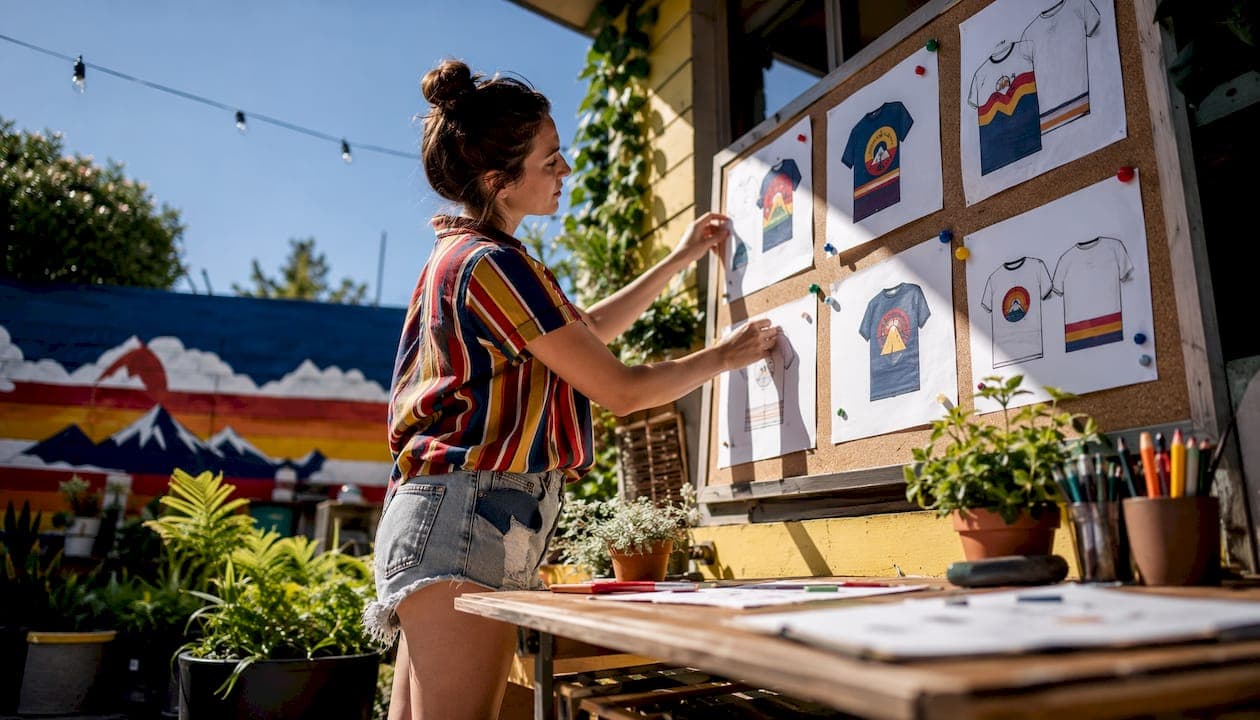
Bespoke graphic tee design is the process of creating a custom t-shirt where every element, from the fabric and cut to the artwork, color palette, and packaging, is built around one specific vision rather than pulled from a template library. You are not picking from a dropdown menu. A professional designer works with you through consultation, sketching, and multiple rounds of revision until the shirt reflects exactly what you had in mind. The result is a garment with a story behind it, not just a logo slapped on a blank.
The core elements that get customized in a truly bespoke approach:
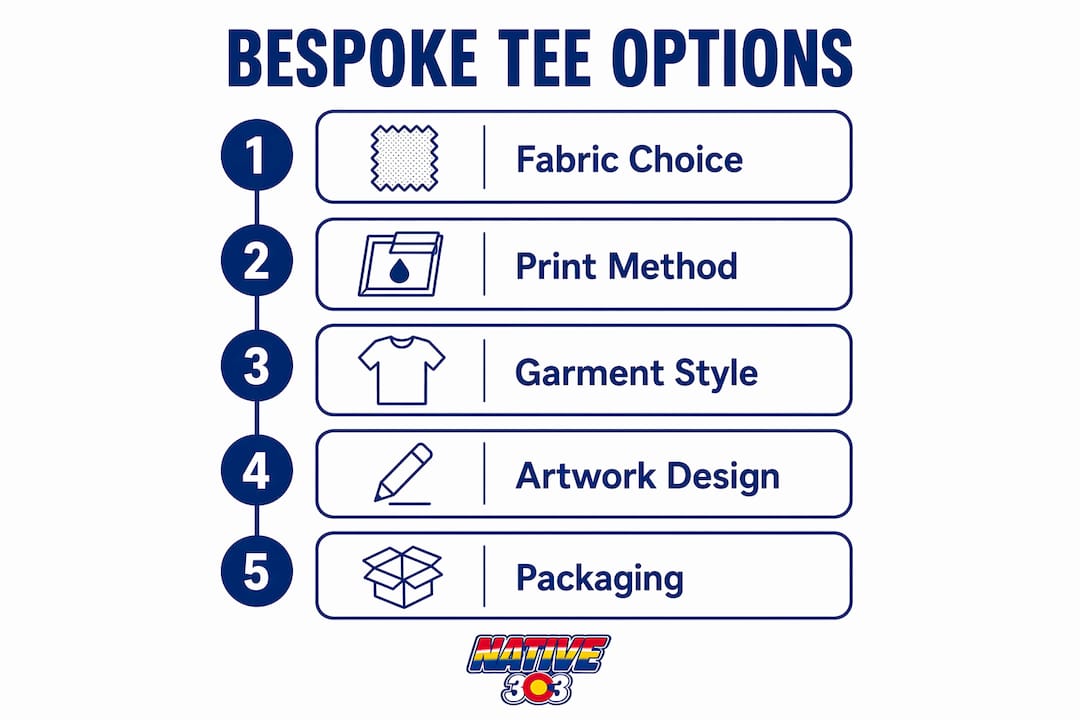
- Fabric and garment style: cotton weight, blend, fit, and collar type
- Artwork: original illustrations, typography, and imagery created or refined for your brief
- Color selection: chosen for both aesthetic impact and print compatibility with the fabric
- Graphic placement: front center, chest, back, sleeves, or a combination
- Printing method: matched to design complexity and order size
- Packaging and finishing: custom tags, tissue, or boxes that reinforce the brand experience
What does the bespoke graphic tee design process actually look like?
The process starts with a real conversation, not a form. A designer needs to understand your audience, the feeling you want the shirt to carry, and any visual references you bring to the table. That initial consultation shapes every decision that follows.
From there, the design process moves into brainstorming and rough sketching, then into digital refinement using tools like Adobe Illustrator and Photoshop. These programs handle precise color management and layer separation, both of which matter enormously when artwork moves from screen to fabric.
- Iteration cycles: expect two to four rounds of feedback before artwork is locked
- File preparation: final files are exported as vector formats (SVG, AI, or EPS) for screen printing, or high-resolution rasters for DTG
- Garment selection: style, color, and fabric are confirmed alongside the artwork, not after
- Print method decision: chosen based on batch size and design complexity
- Mockup approval: a digital or physical sample gets signed off before full production runs
Pro Tip: Ask your designer to show you a print-ready file preview at actual garment scale before approving. A design that looks balanced on a monitor can feel cramped or oversized on a real shirt.
What can you actually customize on a bespoke tee?
The short answer is almost everything. Garment choices alone cover crew neck versus v-neck, fabric weight, cotton versus poly blends, and a full color range from white and ash gray to deep navy and forest green. Light shirts give you versatility; dark shirts create contrast that makes lighter artwork pop.
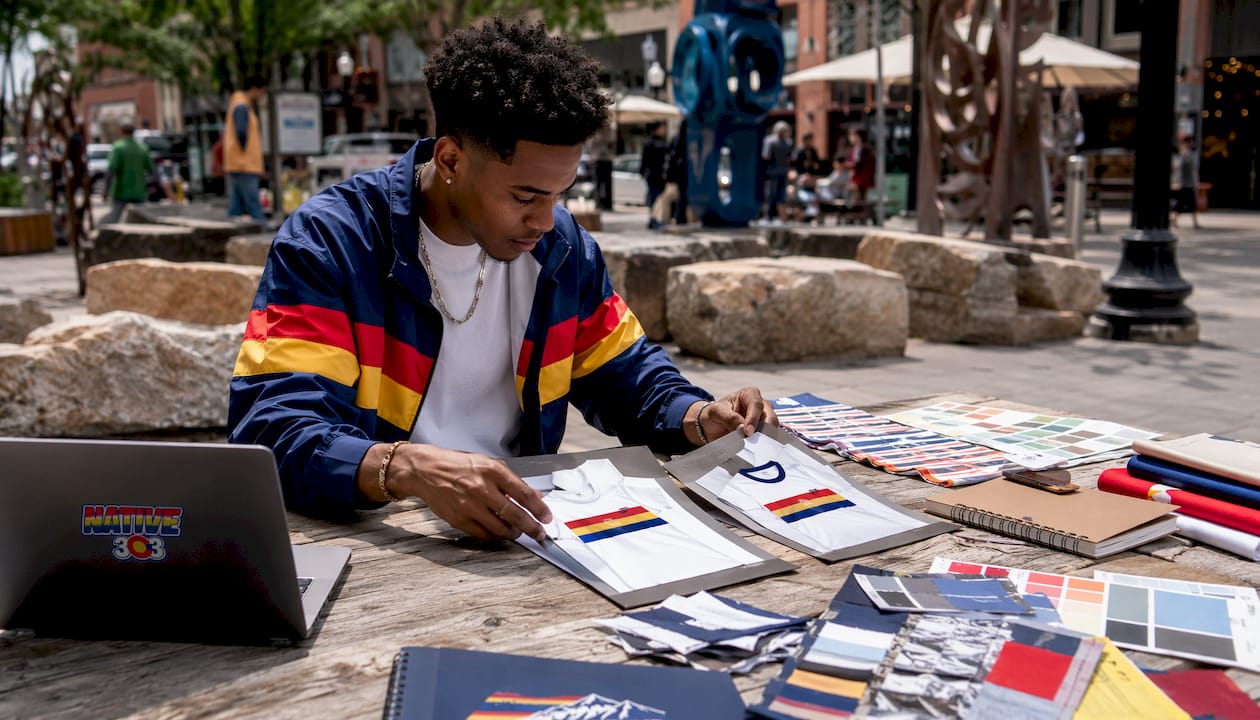
On the design side, original artwork is the standard, not the exception. Typography follows its own rules for wearable print: bold, legible fonts at a size readable from ten feet away, and no more than two font families in a single design. Placement options include front center, left chest, full back, and sleeve prints, each serving a different visual purpose.
Printing technology is where the technical choices get interesting:
- Direct-to-Garment (DTG): best for full-color photographic or detailed artwork in small batches, with no setup cost per color
- Screen printing: cost-effective for large volumes of 100 or more units because fixed setup costs spread across the run
- Sublimation: delivers vibrant, durable color on polyester fabrics and works well for all-over prints
Packaging rounds out the bespoke experience. Custom hang tags, branded tissue paper, and printed boxes turn the unboxing into part of the product itself, something mass-produced shirts never offer.
Why bespoke beats mass-produced every time
Generic tees are designed to offend nobody, which usually means they excite nobody either. A bespoke graphic tee is built around a specific audience, a specific feeling, and a specific moment in culture. That focus shows up in the finished garment in ways that are hard to fake.
Bespoke tees offer higher durability and more vibrant prints because the ink and method are chosen for the specific fabric, not applied generically. The creative control you maintain throughout the process also means the final shirt actually matches what you envisioned, rather than approximating it. For brands, that alignment between product and identity builds the kind of trust that a rack of identical shirts never could. For individuals, it produces something worth keeping.
Cultural insights and styling advice from Native303apparel and Rob
Rob, the voice behind Native303apparel's editorial content, writes extensively about vintage-inspired graphic tees and street style identity. His perspective is grounded in a specific place: metro Denver, with its layered history of local diners, record shops, and mountain culture that shaped a generation's visual memory.
The design philosophy at Native303apparel reflects exactly what bespoke design does at its best. Bold red, yellow, and blue stripes, retro geometric forms, and a color palette rooted in vintage Americana combine to produce shirts that carry genuine cultural weight. These are not decorative objects. They are wearable records of a place and time.
Rob's styling advice for integrating bespoke graphic tees into a modern wardrobe leans practical. A strong graphic tee works as the anchor of an outfit, not a supporting player. Pair it with neutral bottoms and let the shirt carry the visual load. For a deeper look at how worn graphics function within street style culture, the connection between design and identity runs deeper than most people expect.
When collaborating with a bespoke designer, bring reference images, not just descriptions. Visual references cut through ambiguity faster than words, and they give the designer something concrete to react to. The iterative feedback process works best when both sides are looking at the same thing.
Thoughtful fabric and colorway choices also shape how a design reads in the real world. Resources like the CRWN Threads style guide offer useful perspective on how color and garment selection interact across different apparel contexts.
What does bespoke graphic tee design typically cost?
Pricing varies based on four main factors: order quantity, number of print colors, printing method, and whether original artwork is included. A single bespoke tee with original design work and DTG printing typically runs higher per unit than a bulk screen-printed run, where setup costs spread across volume.
For small personal orders or limited-edition drops, expect to pay a premium for the design consultation and artwork creation separately from the printing cost. Brands ordering 100 or more units with screen printing see the per-unit cost drop considerably once setup fees are absorbed. Packaging customization, such as branded tags or boxes, adds to the total but often pays back in perceived product value.
Where to find bespoke graphic tee design services
Your options fall into a few clear categories. Independent graphic designers on platforms like Behance or through direct referral handle the artwork side and can work with a print partner of your choice. Full-service bespoke studios manage design, production, and fulfillment under one roof, which simplifies the process but usually carries a higher minimum spend.
For culturally specific or regionally inspired designs, working with a brand that already operates in that space produces better results than briefing a generalist. Native303apparel's approach to one-of-a-kind apparel shows what happens when design intent and cultural knowledge align from the start.
Key Takeaways
Bespoke graphic tee design produces a genuinely unique garment because every element, from fabric and artwork to printing method and packaging, is chosen deliberately for one specific vision.
| Point | Details |
|---|---|
| Full customization scope | Fabric, artwork, color, placement, print method, and packaging are all tailored to your brief. |
| Iterative design process | Expect multiple feedback rounds; vector files (SVG, AI, EPS) are the standard for print-ready artwork. |
| Print method matters | DTG suits small, complex runs; screen printing becomes cost-effective at 100 or more units. |
| Cultural specificity adds value | Designs rooted in a real place or moment, like Native303apparel's Denver aesthetic, carry weight that generic shirts cannot replicate. |
| Cost scales with complexity | Per-unit price drops with volume; original artwork and custom packaging add upfront cost but raise perceived value. |