
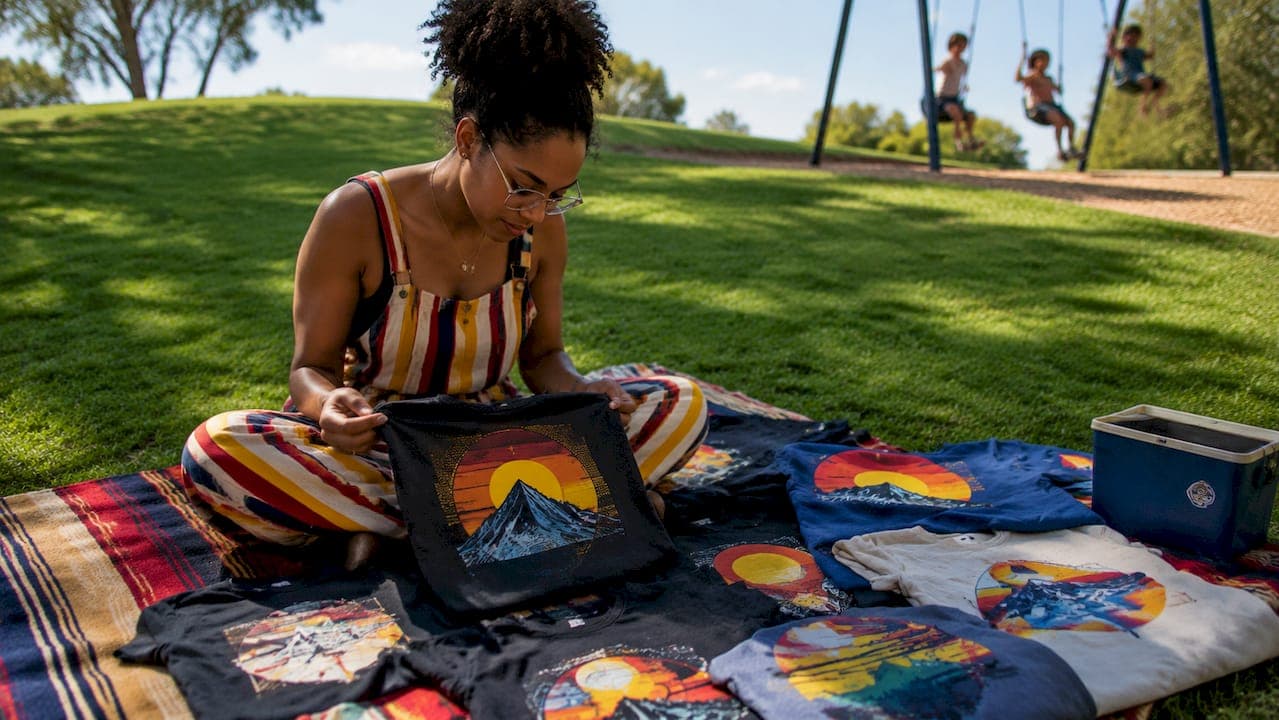
Limited edition t-shirt releases are defined by controlled production volumes and deliberate release strategies that create genuine scarcity and collector demand. The main types of limited edition t-shirt releases fall into four scarcity tiers: open editions, limited editions, rare or numbered editions, and chase or one-off pieces. Each tier carries distinct pricing, documentation standards, and collector appeal. Understanding these categories helps you spend smarter, spot fakes faster, and build a collection with real cultural and resale value.
1. What are the main types of limited edition t-shirt releases?
Limited edition t-shirts are categorized by production volume across four recognized tiers. Each tier signals a different level of scarcity, documentation, and price.
- Open editions: Large print runs with no fixed cap. These are accessible and widely distributed, often sold through mass-market retail channels.
- Limited editions: Typically capped at 1,000–5,000 units. This tier signals moderate scarcity and often includes branded packaging or a numbered hang tag.
- Rare or numbered editions: Capped at 50–500 units. These pieces come with serial numbers and certificates of authenticity (COAs), making them the standard for serious collectors.
- Chase or one-off pieces: Produced in runs of just 1–25 units. These are often signed by the artist, bespoke in design, and command the highest prices on the secondary market.
Retail prices reflect these tiers directly. Mass-market limited graphic tees typically sell for $15–$25, while rare numbered editions can reach $350–$799 or more depending on the artist and scarcity. That price gap is not arbitrary. It tracks directly with documentation quality, production size, and cultural provenance.
Pro Tip: Always check whether a "limited edition" label includes a documented print run number. No number, no real limit.
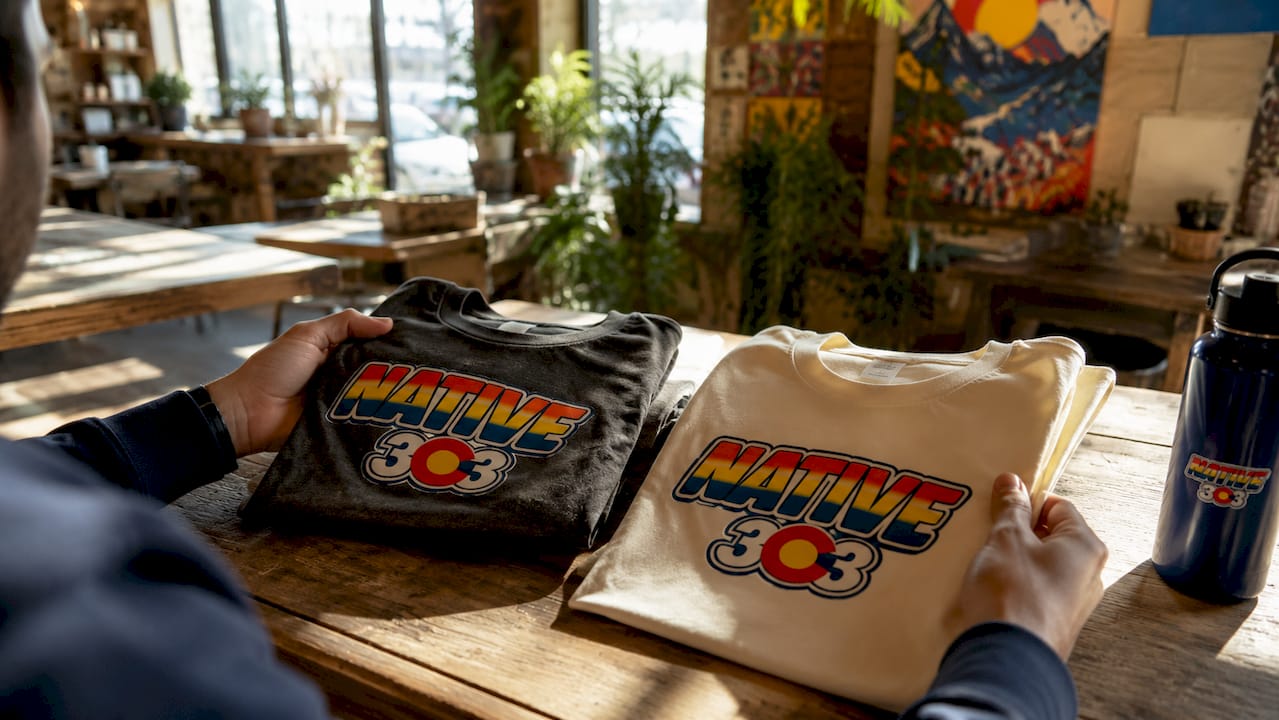
2. How daily drops create urgency in special edition tees
The drop model is the most widely used release strategy in limited edition streetwear. A daily drop makes a shirt available for a fixed window, typically 24–48 hours, then pulls it permanently. That time pressure converts casual interest into immediate purchases.
Successful limited drops hit 60–95% sell-through within 72 hours. That figure shows how effective urgency is as a sales driver. Collectors who hesitate often find themselves paying two or three times the retail price on the secondary market.
What most collectors do not realize is that these drops are engineered months in advance. The "spontaneous" feel is part of the design. Brands build anticipation through teaser posts, countdown timers, and controlled information leaks to fan communities.
Pro Tip: Follow the brand's official email list and social channels. Most drops are announced 24–72 hours in advance through those channels before anywhere else.
3. Phased releases and whitelist access for exclusive t-shirt collections
Phased releases add a layer of access control on top of scarcity. Brands divide their audience into tiers, giving priority access to loyal customers, email subscribers, or community members before opening sales to the general public. This model rewards commitment and filters out resellers who are only chasing profit.
Whitelist access works by granting a unique purchase link or early-access code to verified fans. The result is a more engaged buyer pool and fewer bots at checkout. For collectors, getting on a whitelist is often the difference between buying at retail and paying aftermarket prices.
This model also generates better community data for brands. They learn who their most loyal buyers are, which informs future release sizes and design decisions.
4. Preorders as a release model for collectible t-shirt designs
Preorders let brands gauge real demand before committing to a print run. A collector places an order before the shirt exists in finished form, and the brand uses that data to finalize production quantities. This approach eliminates overstock and keeps edition sizes honest.
The trade-off is delayed fulfillment. Collectors wait weeks or sometimes months for their piece to arrive. That wait can dampen excitement, but it also guarantees access at retail price without competing in a live drop.
Preorders work best for artist collaboration releases where the design itself is the draw. When a collector trusts the artist and the brand, the wait is acceptable. When the brand has a weak track record, preorders carry real risk.
5. Artist collaboration designs and their role in collector value
Artist collaborations are the single strongest driver of long-term collector value in limited edition t-shirts. A shirt tied to a named artist carries provenance. That provenance is what separates a collectible from a commodity.
The best collaborations include documented artist involvement at every stage: concept, design approval, and sometimes hand-finishing. Edition sizes for genuine art tees typically run from 100 to 1,000 pieces. Anything larger starts to dilute the exclusivity that makes the piece worth collecting.
"The design acts as a cultural 'membership card,' proving the wearer was paying attention during a specific moment. The value lies in exclusivity and story rather than price alone." This is why scarcity and storytelling define collector culture more than thread count or print technique ever could.
Native303apparel builds every release around exactly this principle. Each design references a specific moment in metro Denver's cultural history, giving collectors a shirt with a real story behind it.
6. Premium fabrics and printing techniques in limited edition t-shirt styles
Material quality separates a shirt you wear once from one you store flat in archival tissue. Ring-spun cotton is the standard for premium limited editions. It produces a softer hand feel and holds ink more consistently than open-end spun alternatives.
Multi-screen silkscreen printing is the dominant technique for high-end collectible tees. Each color requires a separate screen, which increases production cost and limits run size naturally. That production constraint is part of what makes silkscreen pieces genuinely scarce.
Water-based inks are preferred in artist collaboration releases because they bond with the fabric rather than sitting on top of it. The result is a print that ages gracefully rather than cracking after a few washes.
7. Intentional imperfections as authenticity markers
Deliberate print variation is a recognized authenticity marker in premium limited releases. Slight ink roughness, minor misalignment, or subtle color variation from piece to piece signals hand-crafted production rather than machine uniformity.
This practice draws directly from 1990s deadstock printing culture, where screen-printed tees showed natural variation as a byproduct of manual registration. Modern high-end collaborations reproduce this effect intentionally to signal craft and authenticity. A perfectly uniform print on a claimed "hand-printed" piece is actually a red flag, not a quality indicator.
Collectors who understand this distinction buy with more confidence. They stop treating minor variation as a defect and start reading it as proof of genuine limited production.
8. How to verify authenticity and avoid fake limited edition claims
True limited editions carry verifiable scarcity markers. Vague "limited" claims with no documentation are the most common form of collector fraud in the apparel market.
Check for these markers before buying:
- A documented edition size printed on the hang tag or COA
- A unique serial number on the garment or packaging
- A certificate of authenticity signed by the artist or brand
- Official pre-announcement through the brand's own channels
- Original tags, receipts, and packaging retained for provenance
Red flags include edition claims with no number attached, no COA, and no official announcement trail. Brands that use transparent production data and publish artist partnership details publicly are the ones worth trusting.
Pro Tip: Save the brand's official announcement post or email confirmation. That digital paper trail is part of your provenance documentation.
9. Choosing the right type of limited edition t-shirt for your goals
Different collector goals call for different release types. Budget, storage space, and resale intent all factor into which tier makes sense for you.
| Collector Goal | Best Release Type | Key Consideration |
|---|---|---|
| Entry-level collecting | Open or mass-limited editions ($15–$25) | Focus on design story over scarcity |
| Cultural investment | Artist collaboration, 100–1,000 units | Verify COA and artist documentation |
| Maximum resale value | Rare or numbered editions, under 500 units | Retain all original packaging and tags |
| Chase collecting | One-off or chase pieces, 1–25 units | Buy at retail drop; avoid aftermarket |
For collectors focused on cultural and resale value, artist collaboration pieces in the 100–500 unit range offer the best balance of accessibility and long-term appreciation. These pieces are attainable at retail during a drop but scarce enough to hold value over time.
Storage matters more than most new collectors expect. Flat storage in acid-free tissue, away from direct light, preserves print quality and fabric integrity for years. A shirt stored poorly loses both condition and resale value.
Key takeaways
Limited edition t-shirt value is determined by documented scarcity, release strategy, and cultural provenance, not marketing language alone.
| Point | Details |
|---|---|
| Four scarcity tiers exist | Open, limited, rare/numbered, and chase editions each carry distinct price points and documentation standards. |
| Drop timing is critical | Successful limited drops sell through 60–95% of stock within 72 hours, making retail access the priority. |
| Artist provenance drives value | Collaboration pieces with COAs and serial numbers hold the strongest long-term collector and resale value. |
| Verify before you buy | Documented edition size, serial numbers, and COAs separate genuine limited editions from mass-produced fakes. |
| Storage protects investment | Flat storage in acid-free conditions preserves print quality and maintains resale value over time. |
Why I think most collectors are looking at this the wrong way
Most collectors I talk to obsess over drop timing and resale multiples. They treat limited edition tees like stocks. That mindset misses the actual point of the culture.
The shirts that hold value longest are the ones tied to a real story. A tee from a 200-unit run connected to a specific artist, a specific moment, or a specific place carries weight that a hyped mass drop never will. I have seen $25 shirts from small regional brands outperform $300 hype drops on the secondary market five years later, simply because the story behind them aged well.
The brands worth following are the ones that build around authenticity rather than manufactured urgency. They publish their edition sizes. They name their artists. They document their process. That transparency is not just ethical. It is the marker of a release that will matter in ten years.
The future of limited edition t-shirt culture belongs to brands that treat their collectors as participants in a story, not just customers in a queue. Wearable cultural membership cards, as the concept goes, only work when the membership means something real.
— Rob
Native303apparel: Denver stories worth collecting
Native303apparel releases limited edition tees built around the real cultural history of metro Denver. Every design references a specific place, a specific era, or a specific feeling that locals recognize immediately. That specificity is what makes each piece a genuine collectible rather than a generic graphic shirt.
Each release is produced in controlled quantities with full transparency on edition size. If you want to know your fit before you commit, the size guide covers every detail. To learn more about the brand's approach to authentic, story-driven design, the about page lays out the mission clearly. When you are ready to shop the current collection, Native303apparel is where Denver nostalgia meets collector-grade apparel.
FAQ
What is a limited edition t-shirt?
A limited edition t-shirt is a garment produced in a fixed, documented quantity, typically between 50 and 5,000 units, with scarcity markers such as serial numbers or certificates of authenticity.
How do I find limited edition shirt drops before they sell out?
Sign up for the brand's official email list and follow their social channels. Most drops are announced 24–72 hours in advance through those channels before public sale.
What makes a limited edition t-shirt worth collecting?
Collector value comes from documented edition size, artist provenance, COAs, and cultural storytelling. Shirts tied to a specific artist or cultural moment hold value longer than generic hype releases.
How can I tell if a "limited edition" claim is real?
Look for a numbered edition size on the hang tag or COA, a unique serial number, and an official pre-announcement from the brand. Vague claims with no documentation are a reliable red flag.
What are the best limited edition graphic t-shirts to collect in 2026?
The strongest picks for 2026 are artist collaboration pieces in the 100–500 unit range with full documentation. Regional brands with transparent production practices and clear cultural stories offer the best balance of accessibility and long-term value.