
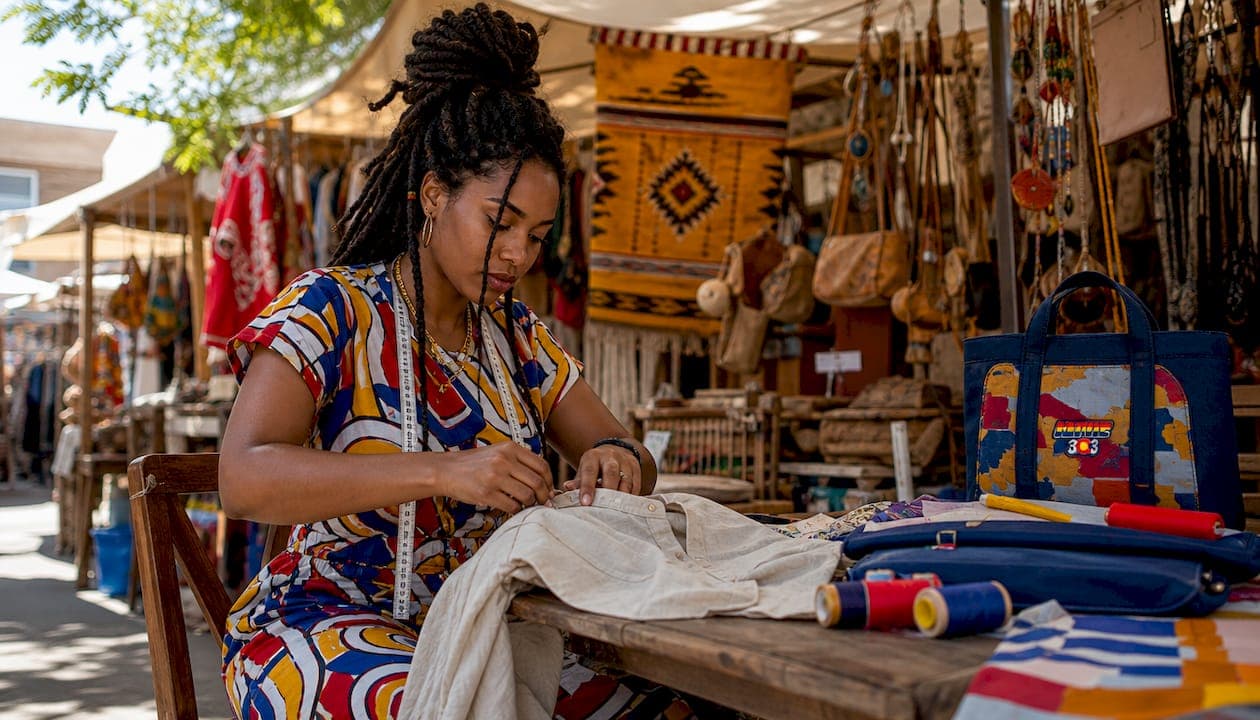
Small-batch apparel releases are defined as limited-production launches that produce between 10 and 300 pieces per style, prioritizing design integrity, artisan craftsmanship, and demand-driven output over volume. The industry term for this production model is "limited-run manufacturing," though creators and fashion enthusiasts widely use "small-batch releases" to describe the same practice. The types of small-batch apparel releases you choose directly shape your brand's sustainability story, cash flow, and community loyalty. Native303apparel, for example, builds its entire identity around this model, releasing nostalgia-driven Denver designs in carefully controlled quantities that keep each piece genuinely rare.
What are the common types of small-batch apparel releases?
Four primary release formats define the small-batch space. Each one suits different goals, audiences, and production capabilities.
- Drop model releases. A pre-announced launch with a fixed quantity and a short purchase window. Drops create urgency by design. Customers know the window closes and the item disappears.
- Trunk shows and pop-up events. Physical, direct-to-consumer experiences where creators present curated selections in person. These events blend tactile product discovery with community energy.
- Capsule collections. Themed, limited-run groupings of pieces built around a single concept, season, or collaboration. Capsules give a release narrative weight beyond individual items.
- Pre-order launches. Orders open before production begins. The brand manufactures only what customers have already committed to buying, eliminating guesswork entirely.
Each format carries distinct tradeoffs in timing, risk, and audience engagement. Most successful independent creators combine two or more formats across a single season to maintain momentum.
How the drop model works and why creators love it
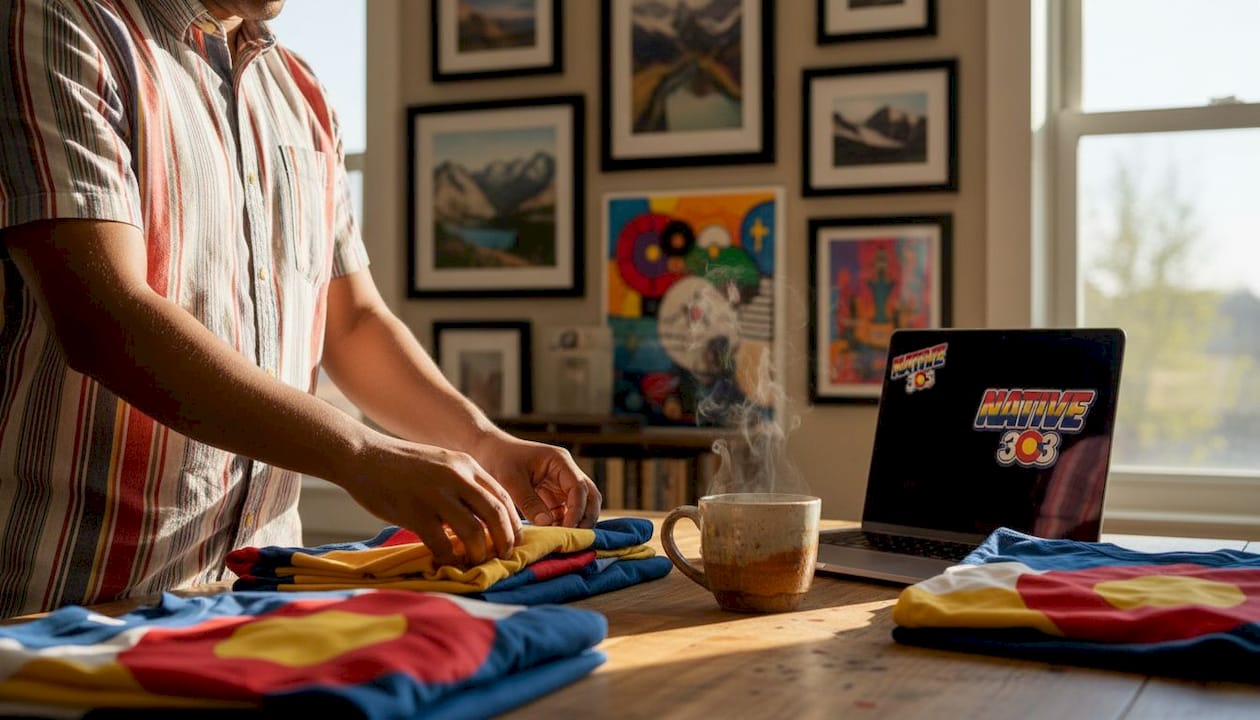
The drop model is the most studied format in small-batch fashion. Drop model sell-through reaches approximately 90% at full price when executed well. That figure dwarfs traditional retail, where 20–40% of inventory often goes unsold and gets marked down.
The mechanics are straightforward. You announce a specific date and time. You cap the quantity. You build anticipation through social content, email lists, and community channels. When the window opens, demand concentrates into a short burst, and inventory clears fast.
The tradeoff is real, though. Drops create operational spikes at launch. Fulfillment, customer service, and site traffic all surge simultaneously. Brands that underestimate this pressure damage the customer experience at the exact moment it matters most.
Capital efficiency is the deeper financial argument for drops. You align supply tightly with visible demand instead of forecasting months in advance. That means less cash tied up in unsold stock and more flexibility to fund the next release.
Pro Tip: Schedule your drop announcement at least two weeks out and build a countdown email sequence. Customers who receive three or more pre-drop emails convert at significantly higher rates than those who see a single launch post.
What role trunk shows and pop-ups play in small-batch releases
Physical events solve a problem that digital drops cannot. Customers cannot feel fabric weight, check stitching quality, or try on a fit through a screen. Trunk shows and pop-ups deliver that tactile experience directly.
Independent creators use multi-drop event schedules to maintain momentum, sometimes running two curated drops within a single month, separated by two weeks, to keep the audience engaged between events. That pacing prevents the post-launch silence that kills community energy.
The benefits of physical events go beyond sales:
- Immediate feedback. You hear directly what customers love, what confuses them, and what they wish existed.
- Relationship building. A customer who meets you in person and handles your product becomes a repeat buyer and a word-of-mouth advocate.
- Brand loyalty. Experiential retail creates memories. A well-run pop-up ties your brand to a specific moment in a customer's life.
- Curated selection. You control exactly which pieces appear, which lets you test new designs alongside proven sellers without overwhelming the display.
The exclusive streetwear aesthetic that drives collector behavior thrives in physical settings where the story behind each piece can be told face to face.
Pro Tip: Pair every pop-up with a digital waitlist signup at the door. Customers who attend in person but miss out on a sold-out piece are your warmest leads for the next online drop.
How capsule collections and pre-order models support sustainable fashion
Capsule collections and pre-order launches share a core principle: produce only what the market has already confirmed it wants. That principle is the foundation of sustainable fashion releases that avoid overproduction and waste.
A capsule collection groups pieces around a single theme, season, or creative collaboration. The thematic cohesion gives customers a reason to buy multiple items from the same drop. It also gives you a clear creative brief, which tends to produce stronger, more focused design work than open-ended releases.
Collaboration-based capsules carry an additional advantage. Artist and musician collaborations shift the value of a release from the product itself to the project surrounding it. Zines, artist statements, and behind-the-scenes content deepen emotional connection and justify higher price points.
"Small-batch production is a deliberate design philosophy. It preserves artisan craftsmanship and natural materials in a way that industrial-scale manufacturing simply cannot replicate. The constraint of limited quantity is also the source of its value."
Pre-orders take sustainability a step further. Production begins only after orders are confirmed, which means zero unsold inventory by definition. The tradeoff is lead time. Customers must wait, and clear communication about timelines is non-negotiable.
| Release type | Best for | Key tradeoff |
|---|---|---|
| Capsule collection | Thematic storytelling, seasonal launches | Requires strong creative concept upfront |
| Pre-order launch | Zero inventory risk, demand confirmation | Longer fulfillment window, customer patience required |
| Drop model | Maximum urgency, full-price sell-through | Operational spike at launch |
| Trunk show or pop-up | Community building, tactile product experience | Geographic reach is limited |
The one-of-a-kind apparel philosophy that defines the best small-batch brands lives most fully in capsule and pre-order formats, where every piece has a reason to exist beyond filling shelf space.
Key operational considerations for choosing a release type
Choosing the right release format starts with an honest assessment of your production capabilities and your audience's readiness.
- Production method matters first. Cut-and-sew garments require full construction from scratch and suit signature pieces with complex fits. Blank-based printing is faster and cheaper, making it ideal for graphic-focused drops. Many creators combine both approaches within a single season.
- Labor pricing is non-negotiable. Handcrafted pieces can require over 20 hours of manual labor. Pricing that reflects only materials, not labor, leads to burnout and financial loss.
- Community size determines launch viability. A seed community or waitlist that pre-commits to purchases is the single biggest predictor of a successful small-batch launch. Without it, even a well-designed drop can sit unsold.
- Lead times shape your format choice. Pre-orders require longer timelines. Drops require tight inventory readiness. Pop-ups require physical logistics. Match your format to your actual production speed.
- Cash flow timing differs by format. Pre-orders collect revenue before production costs hit. Drops require upfront inventory investment. Understanding this difference prevents cash crunches between releases.
The limited edition t-shirt space illustrates this well. Graphic tees on blanks can launch as drops within weeks. A cut-and-sew jacket capsule may need four to six months of lead time and a pre-order model to fund production.
Key Takeaways
The most effective small-batch apparel release strategy combines the right format with a committed audience, honest labor pricing, and production methods matched to your creative goals.
| Point | Details |
|---|---|
| Drop model drives full-price sales | Properly executed drops sell approximately 90% of inventory at full price. |
| Pre-orders eliminate inventory risk | Production begins only after orders are confirmed, removing unsold stock entirely. |
| Community readiness is critical | A seed waitlist that pre-commits to purchases is the strongest predictor of launch success. |
| Labor must be priced into artisan work | Handcrafted pieces can exceed 20 hours of labor; pricing must reflect that time. |
| Format choice depends on production method | Cut-and-sew suits capsules and pre-orders; blank-based printing suits fast graphic drops. |
Why I think most creators pick the wrong release format first
The conventional advice is to start with a drop. It sounds simple: announce a date, cap the quantity, sell out fast. The problem is that drops punish creators who do not already have an audience. I have watched talented designers pour real money into inventory and launch to silence because they skipped the community-building step entirely.
The format I recommend to creators starting out is the pre-order, not the drop. Pre-orders force you to sell the idea before you spend a dollar on production. If you cannot get ten people to commit in advance, a drop will not save you. If you can get fifty people to commit, you have proof of concept and funded production at the same time.
Small-batch is also, as craft-led fashion brands have demonstrated, a design philosophy before it is a production constraint. The creators who build lasting brands treat every release as a story worth telling, not just a quantity to move. Capsule collections with genuine thematic depth, collaborations that produce narrative content alongside the garment, and pop-ups that create real memories all outperform pure scarcity plays over time.
Operational discipline matters more than most creators admit. Accurate sizing descriptions and detailed fit notes cut return rates sharply. Returns on small-batch runs are disproportionately painful because you rarely have replacement inventory. Get the size guide right before you launch, not after.
— Rob
Native303apparel's approach to small-batch collections
Native303apparel releases limited-run designs rooted in the memory of metro Denver's most iconic spots, from classic eateries to legendary clubs. Each collection is produced in small quantities by design, which means every piece you wear carries genuine rarity.
If you are ready to wear something with a real story behind it, the Native303apparel collections are built exactly for that. Before you order, the size guide gives you the precise measurements you need to get the right fit the first time. Small-batch runs do not get restocked, so fit confidence matters before you commit.
FAQ
What is a small-batch apparel release?
A small-batch apparel release produces a limited quantity of garments, typically 10 to 300 pieces per style, with a focus on design quality and demand-driven production rather than volume.
How does a drop model differ from a pre-order?
A drop sells pre-made inventory during a short, announced window. A pre-order collects orders before production begins, so the brand manufactures only what customers have already paid for.
What is a capsule collection in fashion?
A capsule collection is a small, themed grouping of garments released together around a single concept, season, or collaboration, designed to be purchased as a cohesive set.
Why do small-batch drops sell out at full price?
Scarcity and a fixed purchase window concentrate demand into a short burst. When executed well, the drop model achieves approximately 90% full-price sell-through, far above traditional retail averages.
How many pieces does a small-batch run typically include?
Cut-and-sew small-batch runs commonly range from 50 to 300 units. Print-on-demand drops can start as low as 10 units, making them accessible for creators testing new designs.