
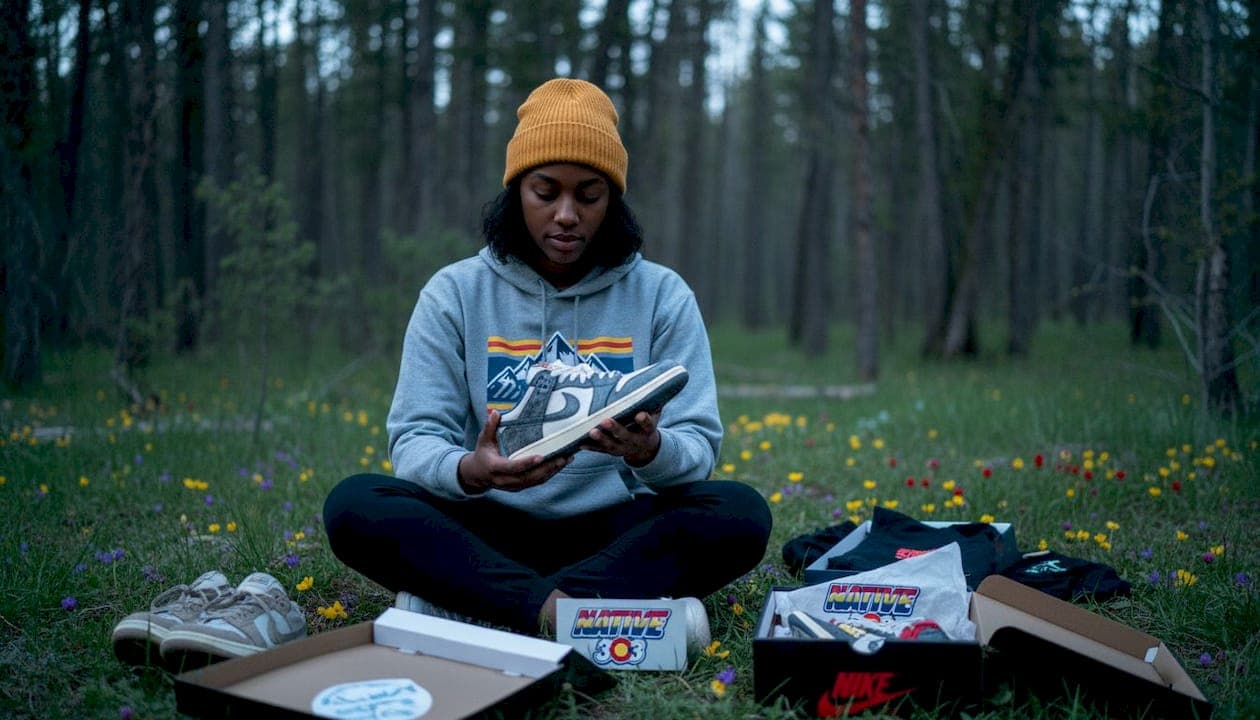
Hype culture in apparel is defined as the deliberate creation of demand through limited releases, cultural signaling, and community belonging that transforms ordinary clothing into coveted status symbols. It operates at the intersection of fashion, identity, and economics, where a garment's perceived value far exceeds its material cost. Understanding hype culture means understanding why people line up for hours, pay five times retail, and treat a hoodie like a financial asset. For fashion enthusiasts and cultural commentators, this phenomenon is one of the most revealing forces shaping the modern apparel industry.
What is hype culture in apparel and how does it work?
Hype culture in apparel functions through four core mechanics: scarcity, engineered drops, social proof, and identity-driven buying. Each element reinforces the others, creating a self-sustaining cycle of desire and demand.
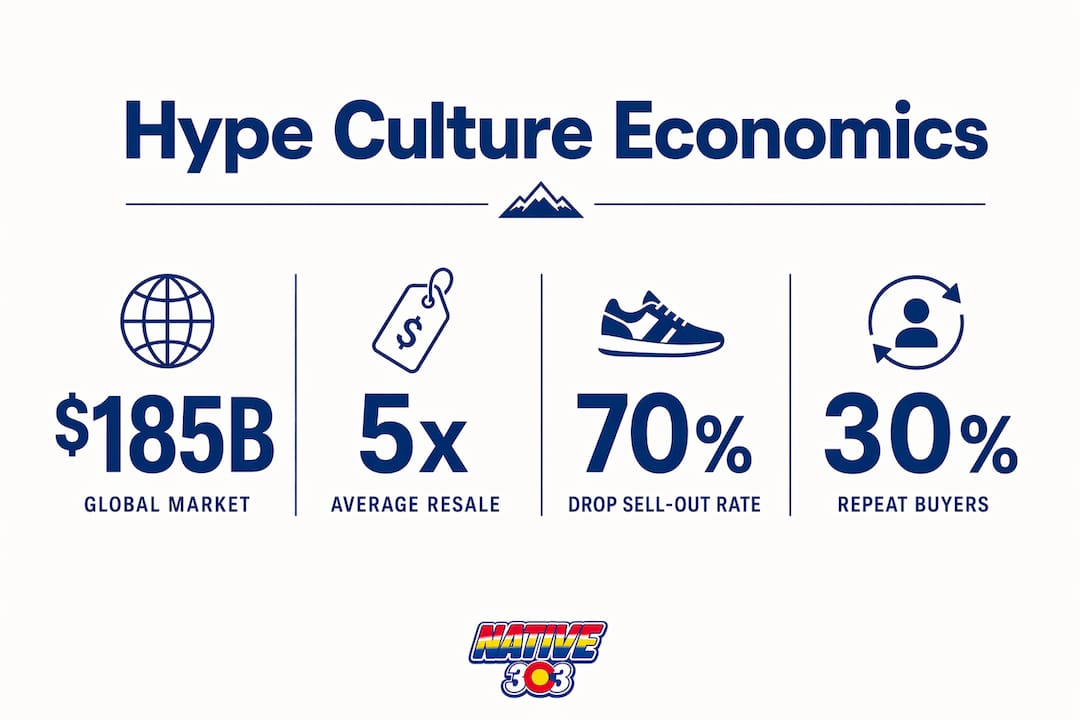
Scarcity is the foundation. When supply is deliberately capped below demand, the gap between what exists and what people want creates urgency. Items with a retail price around $130 can resell at 5x or more that figure on secondary markets. That premium is not about the fabric. It is about access.
Drops are the delivery mechanism. A drop is not simply a product launch. It is an engineered event involving teaser phases, countdowns, raffles, app-exclusive access, and strict inventory caps designed to maximize anticipation. Brands control every variable to ensure demand always outpaces supply. The result is a release that feels like an event rather than a transaction.
Social proof amplifies everything. Influencers, early adopters, and community insiders validate a piece before most people can even buy it. Seeing someone you respect wear a limited item signals that it matters. That signal spreads faster than any paid advertisement.
Identity and emotion close the loop. Hype purchases are rarely rational. They are about belonging, status, and self-expression. 54% of streetwear fans wait over an hour for drops. That time investment reflects how deeply hype culture connects to personal identity, not just product preference.
Pro Tip: If you want to read a drop correctly, watch the teaser phase. Brands that generate organic community conversation before a release tend to produce pieces with stronger resale legs than those relying purely on paid promotion.
What is the historical origin of hype culture in fashion?
Hype culture did not emerge from luxury fashion houses. It grew from the margins, specifically from skate and hip-hop communities in the 1980s where clothing carried authentic subcultural meaning.
- Skate culture produced brands built on community credibility. Wearing the right gear signaled that you actually skated, not that you could afford a logo. Authenticity was the price of entry.
- Hip-hop brought clothing into the conversation about identity, aspiration, and resistance. Artists wore specific pieces as statements, and those pieces gained cultural weight far beyond their retail tags.
- The term "hypebeast" gained prominence around 2005, linked to the launch of the Hypebeast media platform. It described consumers who valued limited editions primarily for social status rather than subcultural belonging. The label was initially critical, marking a shift from authentic participation to conspicuous consumption.
- Luxury collaborations accelerated the mainstream crossover. Partnerships like Supreme x Louis Vuitton moved streetwear from rebellion into high fashion, but that shift came with a cost. Cultural dilution and market over-saturation followed as corporate money entered the space.
- Social media changed the speed and scale of everything. Instagram, Twitter, and later TikTok gave hype a global distribution channel overnight. A drop in Tokyo could generate demand in Denver within hours.
The trajectory from subculture to mainstream is not unique to streetwear. What makes hype culture distinct is how deliberately brands learned to manufacture the conditions that once arose organically.
What economic impact does hype culture create in apparel?
The financial scale of hype-driven fashion is significant. The global streetwear market is valued at approximately $185 billion in 2026, representing roughly 10% of the total apparel and footwear market. That figure reflects how thoroughly hype culture has moved from niche to mainstream economic force.
| Economic Factor | What It Means in Practice |
|---|---|
| Resale premiums | Limited pieces regularly sell at 5x or more above retail on secondary markets |
| Market size | Streetwear accounts for approximately 10% of the global apparel and footwear market |
| Cultural knowledge as capital | Resale success depends on drop timing, regional limits, and community standing, not just money |
| Saturation risk | Over-collaboration and frequent mass releases erode resale value and perceived cultural weight |
The secondary market is where hype culture's economics become most visible. Platforms that facilitate resale have turned limited apparel into a tradeable asset class. However, the resale market rewards cultural insiders more than casual buyers. Knowing which drops matter, which regional releases are capped, and which communities validate a piece requires knowledge that money alone cannot buy.
Saturation is the primary economic risk. When brands release too frequently or collaborate too broadly, the scarcity that drives premiums disappears. Hype is a finite resource. Brands that treat it as infinitely scalable tend to find their resale multiples collapsing within a few seasons.
How does authenticity separate lasting hype from manufactured buzz?
Authentic hype and manufactured buzz look identical at launch. The difference shows up six months later when one piece still commands a premium and the other sits on clearance racks.
Authentic brands build hype through real stories, founder involvement, and consistent values that predate any marketing campaign. Strong hype brands embed themselves in music, art, youth identity, and social movements to earn cultural credibility over time. That credibility cannot be purchased in a single campaign cycle.
- Community is the proof of authenticity. Brands with genuine communities produce fans who defend the brand, educate newcomers, and sustain demand between drops. Manufactured buzz produces buyers who move on the moment the next thing appears.
- Founder and creator involvement matters. When the people behind a brand are visibly connected to the culture they serve, the product carries that connection. When a corporate team reverse-engineers a subculture for profit, insiders notice immediately.
- Consistency builds trust. Authentic hype brands maintain a clear point of view across seasons. They do not chase every trend. That restraint signals confidence and earns long-term loyalty.
The paradox of scaling hype is well documented. Cultural authenticity cannot be scaled without dilution. Corporate takeovers of once-authentic brands frequently trigger a decline in hype value precisely because the new ownership optimizes for volume over cultural relevance. The community that created the demand walks away, and the brand is left with a logo but no soul.
Pro Tip: When evaluating whether a brand's hype is authentic, look at who was wearing it three years ago. If the early adopters are still engaged, the hype has roots. If they have moved on, you are likely buying into a manufactured moment.
What challenges and future trends are reshaping hype culture?
The old hype playbook is losing effectiveness. Consumers who grew up inside hype culture have developed immunity to simple scarcity tactics. A countdown timer and a limited quantity no longer guarantee a sellout.
"The old hype playbook relying on artificial scarcity is failing. Brands must pivot to story-driven marketing to maintain relevance. The next generation of hype is built on narrative, not just numbers."
The shift away from logo-heavy hypebeast aesthetics toward nuanced, story-rich design reflects this change. Collectors and enthusiasts increasingly favor pieces with exclusive streetwear aesthetics that carry a specific cultural reference rather than a recognizable brand mark. The meaning embedded in the garment matters more than the name on the label.
Social media continues to evolve the mechanics of hype. Short-form video has compressed the discovery-to-desire cycle dramatically. A piece can go from unknown to sold out in 48 hours based on a single viral moment. That speed creates opportunity but also accelerates saturation. Brands that build longer-term community through consistent content and genuine engagement are better positioned than those chasing viral moments.
The most durable hype in 2026 comes from cultural specificity. Brands rooted in a real place, a real community, or a real story carry weight that generic streetwear cannot replicate. That specificity is what separates a piece worth keeping from one worth flipping.
Key Takeaways
Hype culture in apparel is a social and economic system where scarcity, cultural authenticity, and community belonging determine a garment's true value far beyond its retail price.
| Point | Details |
|---|---|
| Scarcity drives value | Limited releases create resale premiums that regularly exceed 5x the original retail price. |
| Drops are engineered events | Teasers, countdowns, and inventory caps are deliberate tools to maximize anticipation and control supply. |
| Authenticity determines longevity | Brands rooted in real communities and consistent values outlast those built on manufactured scarcity alone. |
| Cultural knowledge is capital | Success in resale markets depends on insider timing and community standing, not just purchasing power. |
| Saturation kills hype | Over-collaboration and frequent mass releases erode the scarcity that makes hype valuable in the first place. |
What I have learned watching hype culture from the inside
Hype culture gets dismissed as shallow consumerism by people who have never stood in a line at 5:00 AM with 200 strangers who all know exactly why they are there. That shared knowledge, that sense of being in on something, is genuinely powerful. It is not irrational. It is a form of community that most mainstream retail never creates.
What I find more interesting is the gap between brands that earn that community and brands that try to rent it. The ones that rent it are obvious within a season. They drop a collaboration with a credible name, generate a spike in attention, and then watch their core audience drift away because nothing underneath the collab was real. The ones that earn it show up consistently, stay connected to the culture that gave them meaning, and resist the temptation to scale past the point where they can still be authentic.
The future of hype culture belongs to brands with a specific story to tell. Not a manufactured origin myth, but a real one. Pieces tied to a real place, a real moment, or a real community carry weight that no amount of artificial scarcity can replicate. That is the insight most corporate players miss when they try to buy their way into hype. You cannot buy the story. You have to live it first.
— Rob
Native303apparel: hype culture with a real story behind it
Hype culture at its best is about clothing that carries meaning. Native303apparel is built on exactly that principle, with designs rooted in the real memories of metro Denver's iconic eateries, clubs, and shops that shaped a generation.
Every piece from Native303apparel connects to a specific cultural moment rather than a generic aesthetic. That specificity is what separates a garment worth owning from one worth forgetting. If you want apparel that carries a real story and reflects the kind of cultural authenticity that makes hype last, the Native303apparel collection is worth your time. The brand's story explains exactly where that authenticity comes from and why it matters.
FAQ
What is hype culture in apparel?
Hype culture in apparel is the deliberate creation of demand through limited releases, cultural signaling, and community belonging that makes certain clothing highly desirable beyond its functional value. It transforms garments into status symbols and social currency.
Why do limited releases sell for so much more than retail?
Scarcity creates a gap between supply and demand that secondary markets price in real time. Items retailing around $130 regularly resell at five times that figure or more when cultural demand outpaces available supply.
What is a hypebeast?
A hypebeast is a consumer who pursues limited-edition apparel primarily for social status. The term gained prominence around 2005 and carries a connotation of prioritizing brand visibility over genuine subcultural connection.
How do brands sustain hype long term?
Brands sustain hype by embedding themselves in real communities, maintaining consistent values, and resisting over-collaboration. Cultural authenticity cannot be scaled without dilution, so restraint is as important as any marketing tactic.
Is hype culture changing?
The simple scarcity playbook is losing effectiveness as consumers grow more sophisticated. Brands are shifting toward story-driven marketing and cultural specificity to maintain relevance beyond a single drop cycle.