
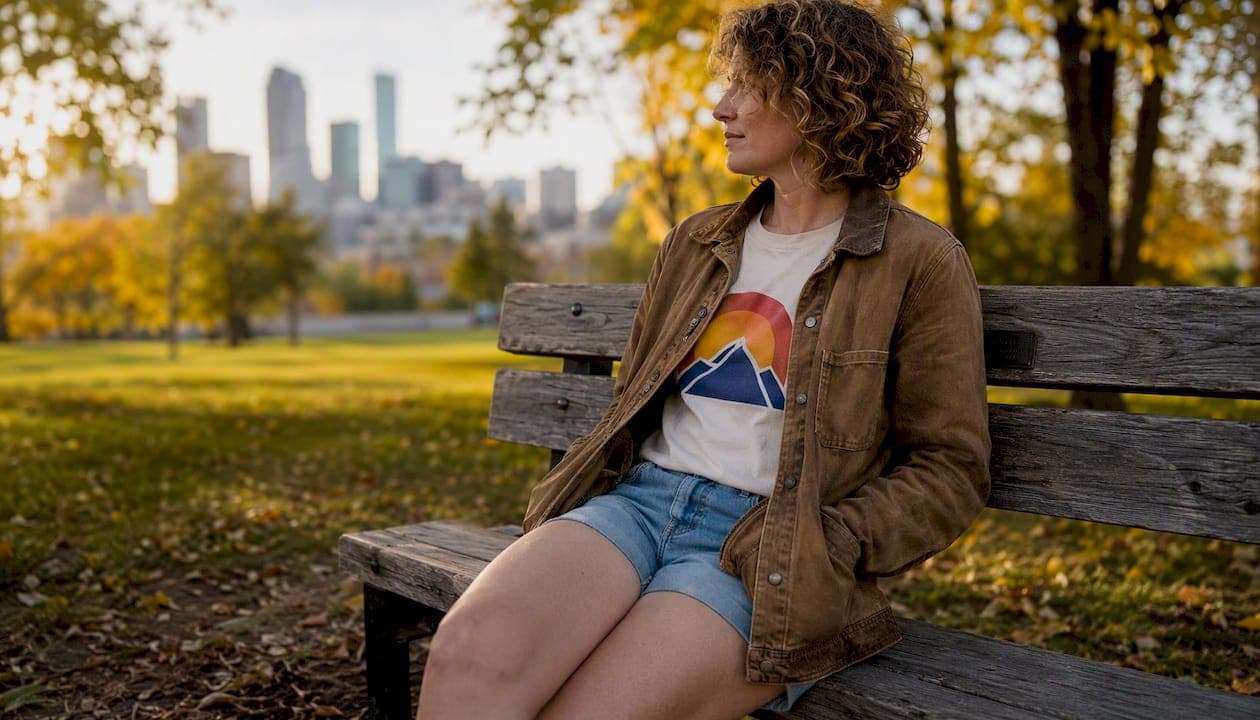
Your Denver nostalgia piece is already doing the heavy lifting. Treat it as the outfit's personality, then ground everything else around it. That means mid-to-heavyweight cotton of suitable thickness for durability and layering, a fit that sits at the beltline without swallowing you, and one structured third piece to frame the graphic.
The quick version: choose a subtle, locally specific graphic over anything punny or logo-heavy. Pair it with solid neutral bottoms. Add a blazer, denim jacket, or leather layer. Done. The sections below break each rule into something you can actually use while getting dressed.
Pro Tip: When you're unsure whether a nostalgia piece works in an outfit, ask yourself if you'd wear the same outfit with a plain white tee. If yes, the graphic is an upgrade, not a distraction.
Key Takeaways
Wearing Denver nostalgia pieces with modern outfits comes down to three things: the right graphic, the right fabric weight, and one structured layer to frame it all.
| Point | Details |
|---|---|
| Choose subtle, local graphics | Keep chest prints personal and place-specific; skip punny or heavy commercial logos. |
| Prioritize midweight fabric | Aim for 200–240 GSM cotton so the piece holds shape and layers cleanly under outerwear. |
| Add one structured third piece | A blazer, leather jacket, or trench frames the graphic and shifts the outfit's register. |
| Ground with clean footwear | Loafers, Chelsea boots, or minimalist leather sneakers keep the look intentional. |
| Native303apparel collection | Designed for Denver natives, with locally specific graphics and the fit specs this guide recommends. |
Table of Contents
- Why Denver nostalgia graphics read well in modern wardrobes
- How to pick Denver-themed prints that age well
- Fit and fabric details that make nostalgia pieces look intentional
- How to layer Denver nostalgia tees and sweatshirts to modernize them
- Fail-safe outfit recipes for everyday, smart-casual, and evening
- Which shoes and accessories modernize nostalgia pieces
- Adapting nostalgia pieces across ages, seasons, and Denver occasions
- How to care for nostalgia apparel so it lasts
- Choosing modern pieces that complement, not compete with, nostalgia graphics
- How Denver/Colorado color palettes work in modern outfits
- Why the styling formulas here are built around Denver-specific design
- Denver nostalgia pieces, designed to wear with your modern wardrobe
- Sources
Why Denver nostalgia graphics read well in modern wardrobes
A place-name graphic isn't decoration. It's a signal. When you wear a tee referencing a Denver diner that closed in 1994, you're communicating something specific about who you are and where you're from. That specificity is exactly what makes it work in a modern outfit.
Generic prints compete with everything around them. A Denver-specific graphic anchors the outfit because it has a clear focal point, a built-in color story, and cultural weight that random patterns can't replicate. According to research on local fashion trends, place-name and memento-style apparel has grown in popularity precisely because it signals lifestyle and local identity, with brands moving toward neighborhood-level specificity to increase authenticity.
The visual principle at work is high-low contrast: a meaningful graphic paired with a structured piece creates tension that reads as intentional. A Denver neighborhood tee under a tailored blazer doesn't look like you forgot to change. It looks like a choice.
- Focal point: one graphic, centered or chest-placed, draws the eye without competing with accessories
- Color anchor: local nostalgia graphics often use muted, vintage-adjacent palettes that coordinate naturally with neutrals
- Cultural cue: insider references (a specific club, a corner diner) signal authenticity that generic prints can't fake
- High-low contrast: graphic softness + structured outerwear = the tension that makes an outfit feel modern
How to pick Denver-themed prints that age well
The rule is simple: keep what's personal and local, ditch what's loud and commercial. Styling experts consistently advise skipping joke shirts and heavy branding in favor of subtle, meaningful prints that hold up across contexts.
For Denver nostalgia specifically, that means graphics referencing actual places you remember. A single-color print of a Capitol Hill record shop logo. A muted chest graphic of a Colfax diner. A small mountain icon tied to a specific neighborhood. These work. A shirt covered in puns about Colorado altitude or a giant commercial logo doesn't integrate with modern outfits because it reads as a novelty item, not a wardrobe piece.
Visual-scale rules to follow:
- Medium-sized chest prints (roughly palm-sized) over full-front graphics
- Single-color or two-color designs over multicolor busy prints
- Muted, vintage-adjacent colorways: washed black, cream, muted olive, faded navy
- Avoid white-on-white or low-contrast prints that disappear under layers
Pro Tip: Choose graphics that reference places or memories you actually care about. Authenticity reads as style. A tee you can tell a story about will always look better than one you bought because it was on sale.
Explore the Denver neighborhood culture tees guide for a deeper look at which motifs translate best into wearable everyday pieces.
Fit and fabric details that make nostalgia pieces look intentional
Fabric weight matters more than most people realize. A thin, flimsy tee wrinkles under a blazer, loses its shape after a few washes, and reads as an afterthought. Midweight cotton that feels substantial holds its structure, sits cleanly at the beltline, and layers without bunching.
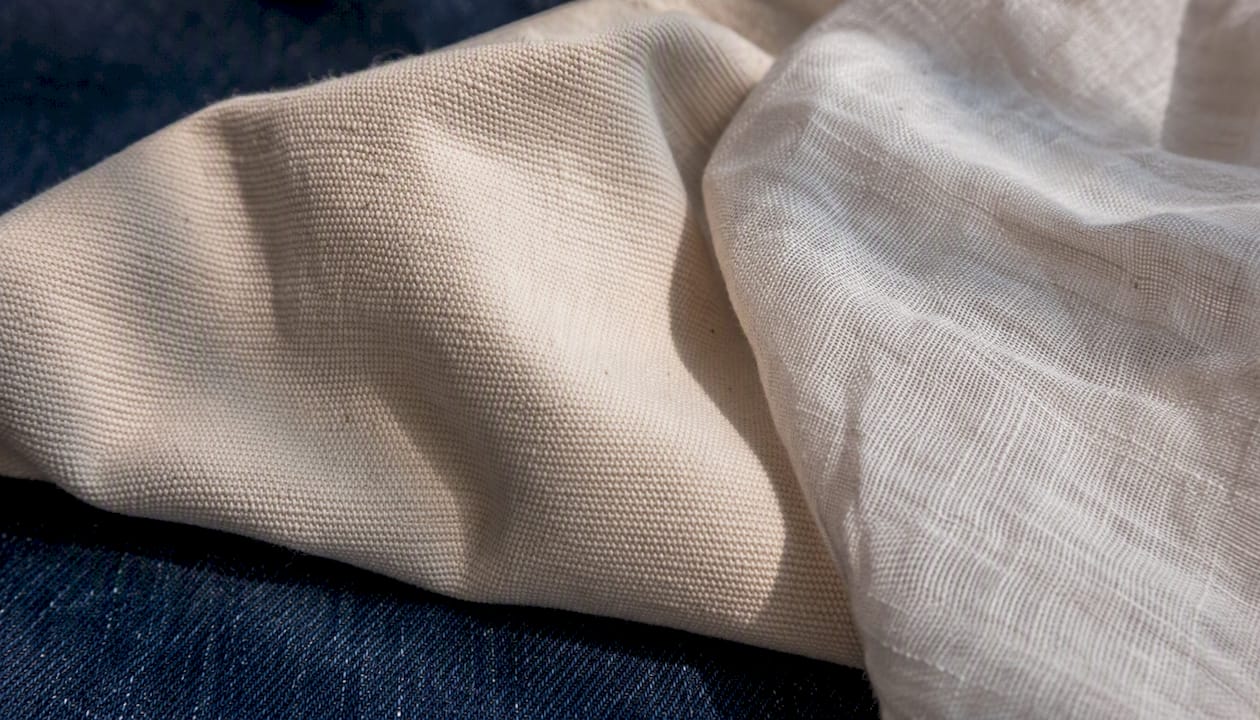
For tees, look for stable crew necks with tight ribbing. The shoulder seam should sit at the edge of your shoulder, not drooping toward your arm. That placement is what allows a blazer to sit smoothly over the top without pulling. For sweatshirts and hoodies, French terry and cotton blends hold their shape better than pure fleece, and they layer under a trench or coat without adding bulk.
Fit guidance:
- Standard or slightly boxy fit, sitting at or just below the beltline
- Full tuck or French tuck (tucking just the front) for a cleaner silhouette with trousers or chinos
- Avoid ultra-slim cuts that pull across the chest and ultra-baggy cuts that read as loungewear
- Shoulder seam at the shoulder point, not past it
Graphic tee care and construction also affects longevity: midweight cotton retains shape longer, and proper washing preserves both the print and the fabric structure.
Pro Tip: If you're buying online, check the GSM listed in the product details. Anything under 180 GSM will feel thin and won't hold up under structured outerwear. The 200–240 range is the sweet spot for layering.
How to layer Denver nostalgia tees and sweatshirts to modernize them
The single most effective upgrade you can make to any nostalgia piece is adding one structured or textural third piece. A blazer, leather jacket, relaxed denim jacket, or trench coat frames the graphic and creates the high-low contrast that makes an outfit feel contemporary rather than casual by default.
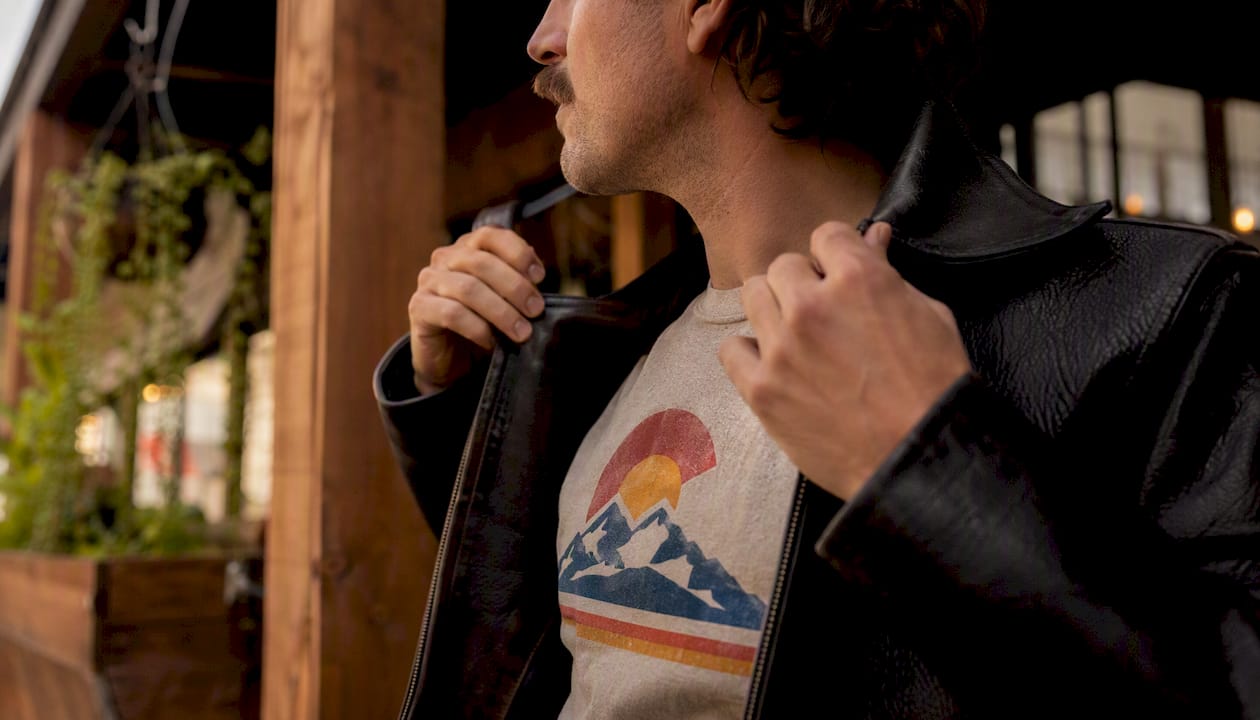
Elevating a graphic sweatshirt depends on exactly this: contrast the casual top with polished, tailored bottoms or structured outerwear. Proportion and texture do the work.
Layering rules:
- Contrast textures: soft sweatshirt + structured blazer, not sweatshirt + hoodie
- Balance proportions: boxy or relaxed top + straight or wide-leg bottom
- Hint at layers rather than stacking visible underlayers (one layer over the tee, not three)
- Keep collars flat: a crew neck tee lays cleanly under a blazer; a bulky collar creates visible bunching
Simple outfit formulas:
- Graphic tee + unstructured blazer + straight-leg trousers + loafers
- Denver sweatshirt + trench coat + tailored chinos + Chelsea boots
- Nostalgia hoodie + relaxed denim jacket + dark jeans + clean leather sneakers
Pro Tip: When layering under a blazer, choose a midweight tee rather than a heavyweight one. The blazer will sit smoothly across the shoulders and the collar will lay flat instead of bunching at the lapels.
For seasonal layering specific to Denver's climate, the Denver graphic tees by season guide covers what to add and remove month by month.
Fail-safe outfit recipes for everyday, smart-casual, and evening
Three formulas cover most occasions. Each starts with the nostalgia piece as the focal point and builds outward.
1. Weekend casual Denver graphic tee + straight-leg denim + minimalist leather sneakers. Keep the tee untucked, the denim a medium wash, and the sneakers clean. No athletic running shoes. This is the graphic tee formula that works every time: solid neutral bottoms, clean footwear matched to formality, one deliberate styling move.
2. Smart-casual day Nostalgia sweatshirt + relaxed blazer + chinos + loafers. French tuck the sweatshirt slightly into the chinos to define the waist. The blazer does the structural work. This outfit moves from a casual lunch to a gallery visit without changing anything.
3. Elevated evening Dark local graphic tee + leather jacket + black jeans + Chelsea boots. The leather jacket elevates the tee; the Chelsea boots signal intention. Keep accessories minimal: a watch, nothing else competing with the graphic.
Which shoes and accessories modernize nostalgia pieces
One grounding accessory and clean footwear are all you need. Everything else should stay quiet.
Recommended footwear:
- Minimalist leather sneakers (white or tan, no chunky soles)
- Loafers in tan, brown, or black leather
- Chelsea boots for evening or smart-casual
- Low-profile ankle boots for fall and winter
Avoid chunky athletic running shoes with elevated looks. They shift the outfit's register from intentional to gym-adjacent.
Accessory rules:
- Structured leather tote or crossbody bag over canvas shoppers or backpacks
- Slim leather belt when tucking
- A watch or simple chain, not both
- Sunglasses that fit your face shape; skip oversized novelty frames that compete with the graphic
Pro Tip: Swap lace-up canvas sneakers for a clean leather version. That single swap takes a casual graphic tee outfit from weekend errand to intentional street style.
Adapting nostalgia pieces across ages, seasons, and Denver occasions
The same nostalgia piece works from 35 to 95 with small adjustments to proportion, layer weight, and footwear.
Age adjustments:
- Older wearers: cleaner tucks, higher-neck sweatshirts, muted palettes, loafers or Chelsea boots over sneakers
- Younger-leaning shoppers: slightly boxier fits, trend-forward sneakers, relaxed denim jacket layering
Seasonal tips for Colorado:
- Summer evenings: lightweight tee + denim jacket (Colorado nights drop fast)
- Spring and fall: midweight sweatshirt + trench or unstructured blazer
- Winter: midweight sweatshirt under a wool coat, or a heavyweight hoodie as the mid-layer
Event adjustments:
- Keep the authentic local graphic the same across occasions
- Change shoes and outerwear to shift formality: sneakers for casual, loafers or Chelsea boots for dinners and events
- For museum visits or casual dinners, the blazer-over-tee formula works without modification
How to care for nostalgia apparel so it lasts
Midweight cotton holds its shape longer than lightweight alternatives, but only with consistent care. Turn graphic tees and sweatshirts inside out before washing. Use cold water and a gentle cycle. Skip the dryer when possible; hang or lay flat to dry. Heat is the main enemy of printed graphics, causing cracking and fading faster than wear does.
Store folded rather than hung. Hanging a heavy sweatshirt stretches the shoulder seams over time. For pieces you wear rarely, a cotton storage bag keeps dust off without trapping moisture.
Choosing modern pieces that complement, not compete with, nostalgia graphics
The graphic is already doing something visually. Everything else in the outfit should support it, not fight for attention.
Solid neutrals are your foundation: black, white, navy, gray, khaki, and olive all work. Avoid pairing a busy nostalgia graphic with patterned bottoms or a printed outerwear piece. One pattern per outfit is the rule. If the tee has a vintage colorway, pull one of those colors into your footwear or bag for a cohesive thread through the look.
Texture contrast works better than color contrast. A smooth graphic tee against a rough-woven blazer, or a soft French terry sweatshirt against a structured leather jacket, creates visual interest without noise. The vintage tee styling guide covers this in more detail for specific outfit combinations.
How Denver/Colorado color palettes work in modern outfits
Denver nostalgia graphics tend to pull from a specific palette: muted reds, faded golds, washed blues, cream, and earthy browns. These are the colors of old signage, vintage menus, and mid-century storefronts. They coordinate naturally with modern neutrals because they're already desaturated.
Build your outfit from the graphic's palette outward. If the tee runs cream and muted red, pair it with tan chinos and brown leather shoes. If the graphic is washed black and white, the whole neutral spectrum opens up. Avoid introducing a bright, saturated color into the outfit unless it's already in the graphic.
For era-specific color guidance, the Denver nostalgia graphic themes resource maps common palettes to specific decades of Denver history.
Why the styling formulas here are built around Denver-specific design
Most graphic tee styling advice is written for generic band tees or mass-market prints. Denver nostalgia pieces are different. They carry specific cultural weight for people who actually lived near those places, and that specificity changes how you wear them.
The formulas in this article were built around that reality. A tee referencing a Capitol Hill club from the 1980s isn't a fashion statement for someone who was there. It's a memory. The styling rules here are designed to honor that without making the piece feel like a costume. Subtle graphics, midweight fabric, and one structured layer let the memory speak without the outfit shouting.
Local brands that tell a story through place-based motifs and curated graphics increase perceived authenticity, and that authenticity is exactly what makes Denver-specific pieces worth wearing with intention. The worn graphics and identity piece explores this further if you want the cultural context behind why local graphics carry more weight than generic ones.
Denver nostalgia pieces, designed to wear with your modern wardrobe
Native303apparel designs its tees and sweatshirts specifically for Denver and Colorado natives who want pieces that work in real outfits, not just around the house. The midweight crew tees (200–240 GSM) and French terry sweatshirts are built to the fit and fabric specs this guide recommends, with locally specific graphics drawn from Denver's actual history.
Every design references a real place: a neighborhood diner, a club on Colfax, a shop that shaped the city. That specificity is what makes them pair naturally with the structured, modern pieces already in your closet. Browse the full Denver collection to find the graphic that means something to you, and use the size guide to get the fit right before you order.
Sources
- How to wear men's graphic tees
- Leverage the local: the fashion trend that explains why everyone around you is channeling their inner tourist
- How To Style Graphic Tees: 10 Outfit Ideas That Actually Work (2026)
- A Simple Guide to Styling a Graphic Sweatshirt