
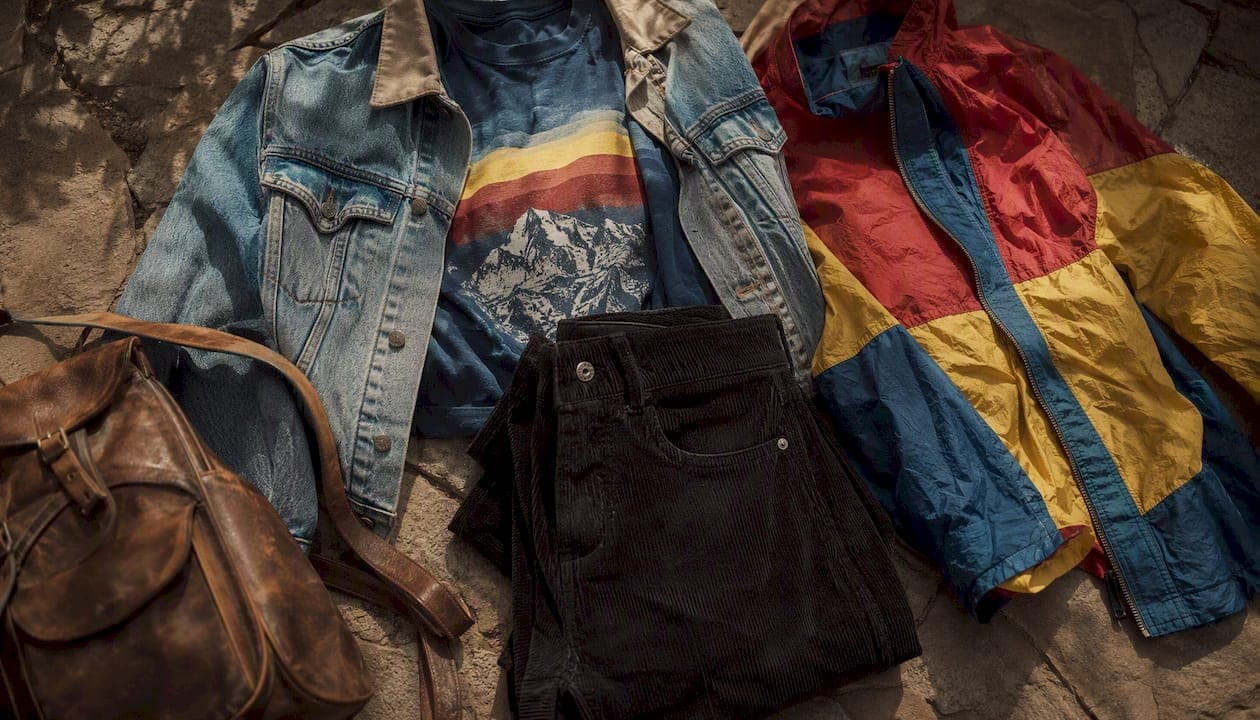
Prioritize heavyweight graphic tees, retro outerwear, and era-accurate denim. Those three categories carry the most visual weight in any retro street style look, and they're the pieces that separate a genuinely considered outfit from a costume. Start by measuring your chest and inseam before you shop, then open Depop or eBay for price discovery and check a curated reseller or boutique for condition confidence. If you want a shortcut to graphics with real local story behind them, Native303apparel offers Denver nostalgia-inspired tees, hoodies, and outerwear built on the same construction standards this guide covers.
Your three-category starting point:
- Heavyweight graphic tees: the backbone of any vintage-inspired streetwear build; look for single-stitch hems and screen-printed (not heat-transfer) graphics
- Retro outerwear: coaches, bombers, and fleece pullovers anchor the silhouette and do the era-signaling heavy lifting
- Era-accurate denim: high-waist straight-leg or wide-leg cuts from the 1980s–1990s silhouette range read authentic immediately
Table of Contents
- What are the best vintage inspired streetwear picks by category?
- How do you style vintage streetwear without looking like a costume?
- What should you expect to pay, and how does condition affect value?
- What should you check before buying a vintage piece?
- Key Takeaways
- The piece that actually changes a look
- Native303apparel: curated Denver-inspired vintage-style pieces
- Useful sources and further reading
What are the best vintage inspired streetwear picks by category?
Retro streetwear's core signals are oversized silhouettes, bold graphics, and durable fabrics. Use those three as your filter across every category below.
Heritage workwear
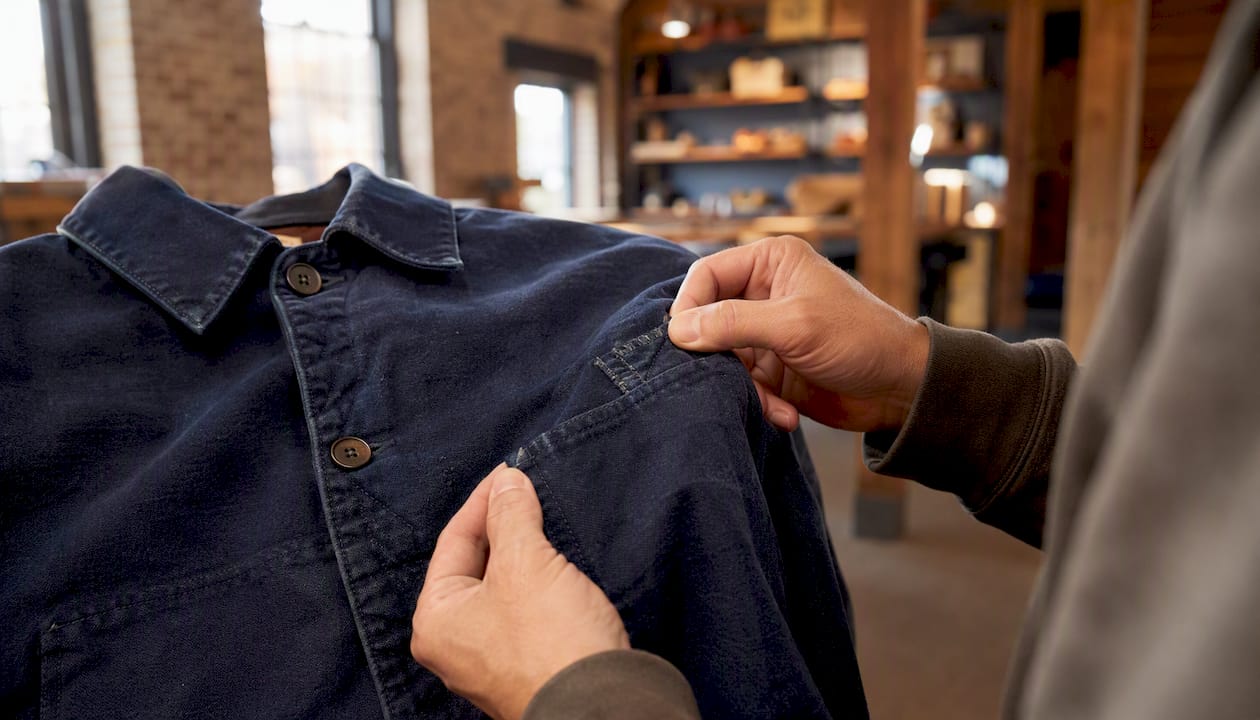
Chore coats, canvas overshirts, and duck-cloth jackets in faded olive, tan, or washed navy. Look for reinforced bar-tack stitching at stress points and a boxy, slightly dropped shoulder. Repro pieces in this category run $60–$120; true vintage Carhartt or Dickies from the 1990s can push $150–$200 in good condition.
Band tees and graphic tees
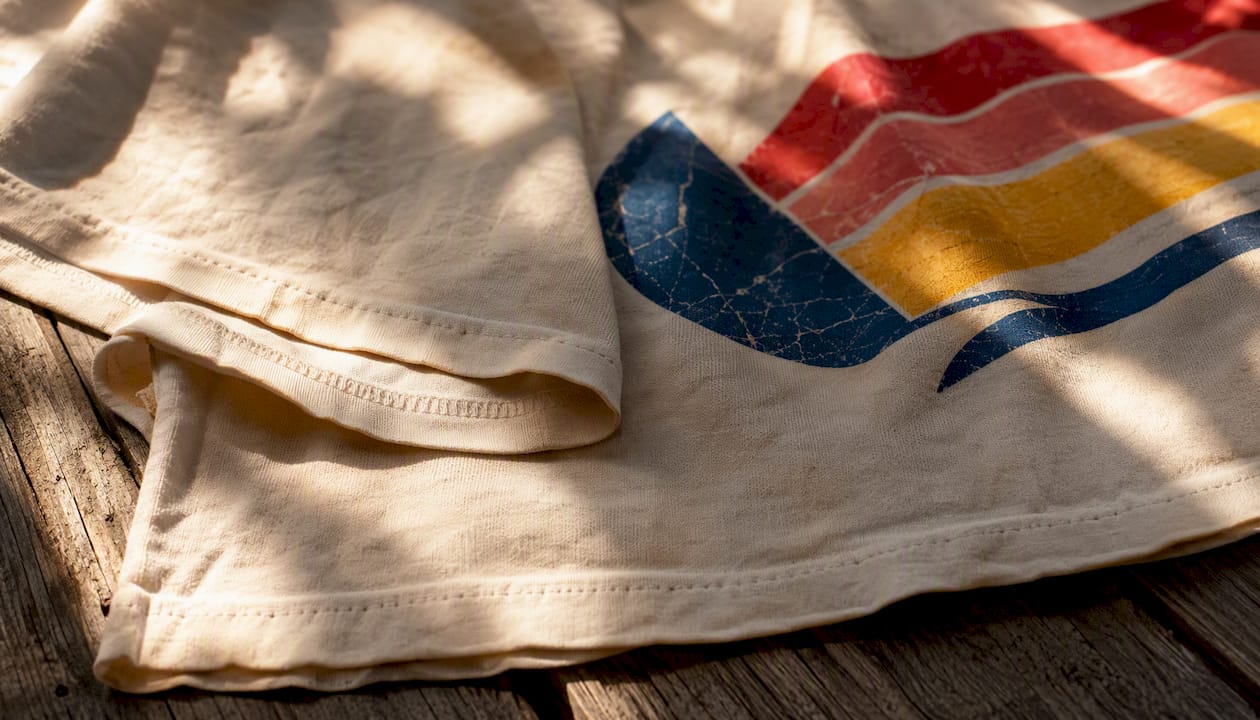
The single most copied category in fast fashion, which makes construction signals critical. A quality piece uses a heavyweight blank (at least 6 oz. cotton), a single-stitch hem on the sleeve and body, and a screen-printed graphic with visible ink texture. Era-specific graphics matter: a skate brand logo from 1993 reads differently than a generic "vintage" font slapped on a Gildan. Native303apparel's graphic tees use Denver nostalgia imagery, which gives them the subcultural specificity that separates a real story from a prop.
Retro sportswear
Nylon track jackets, mesh jerseys, and color-blocked windbreakers. The 1990s and early 2000s are the sweet spots for this category. Check that color blocking is sewn-in (not printed), zippers are metal or period-correct plastic, and the lining is intact. Sports culture shapes regional vintage aesthetics more than most people realize, especially in cities like Denver where team identity runs deep.
Vintage-inspired denim
High-rise straight or wide-leg cuts in rigid or lightly washed indigo. Avoid pre-distressed finishes that look factory-applied; natural fading along the thighs and seat is what you want. Selvedge denim is the premium signal here, but a well-constructed non-selvedge piece in the right silhouette beats an expensive pair in the wrong cut.
Statement outerwear
Coaches, bombers, and fleece pullovers do the most era-signaling work per dollar. A 1990s-style nylon coach jacket in a solid color with embroidered lettering is one of the fastest ways to shift a modern outfit into retro territory. Celebrities wearing archival vintage publicly have driven renewed demand for exactly this category, which means prices on true vintage outerwear have climbed. Repro versions from quality labels are now a genuinely smart alternative.
Accessories
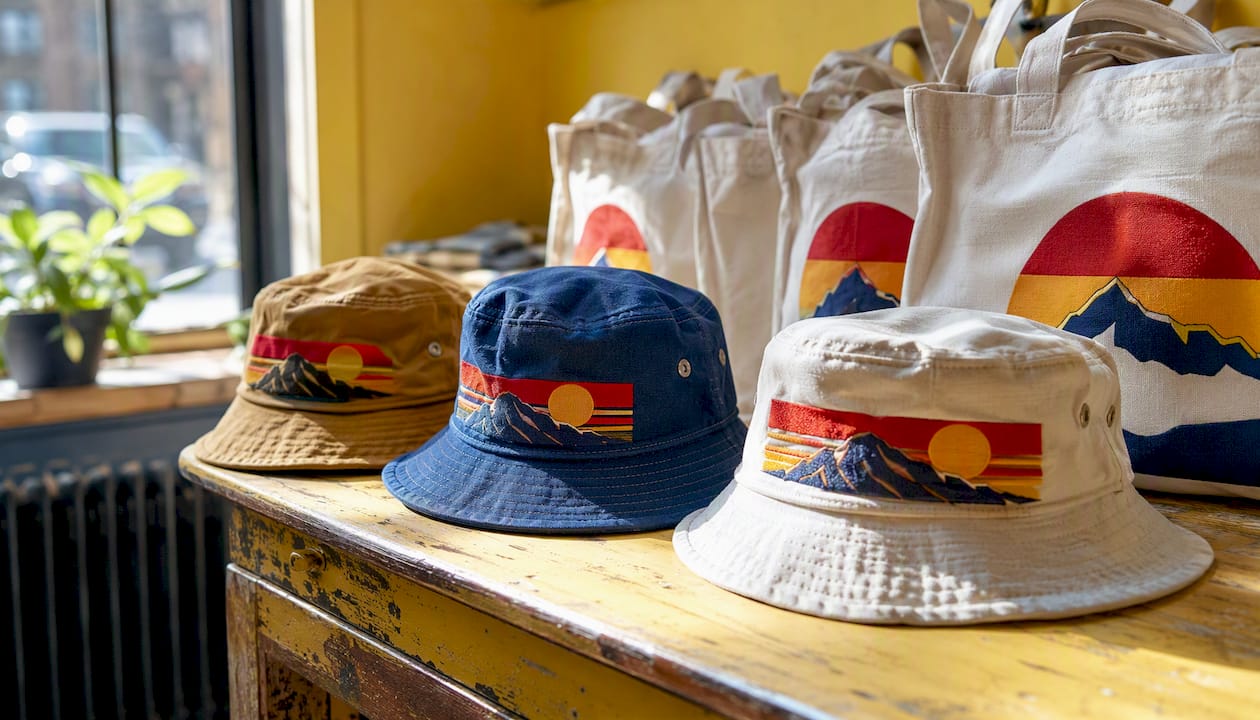
Bucket hats, beanies, canvas tote bags, and logo caps complete the silhouette without requiring a big spend. Look for embroidered logos rather than printed ones, and period-correct colorways (earth tones, primary color blocking). Native303apparel's tote bags and hats carry the same Denver-rooted graphic language as the tees, making them easy add-ons to a retro-leaning look.
How do you style vintage streetwear without looking like a costume?
Styling vintage streetwear works best when you mix one statement vintage graphic with modern basics. One era-accurate piece anchors the look; the rest of the outfit stays contemporary. Archival street photography is one of the most practical references for getting proportion right across decades.
Three outfit templates
Day (casual, wearable): heavyweight graphic tee tucked loosely into high-rise straight-leg denim, white low-top sneakers, canvas tote. The tee does the era work; everything else stays clean and modern.
Layered/cold-weather: 1990s-style nylon coach jacket over a plain crewneck sweatshirt, wide-leg cargo pants, chunky sneakers or boots. The outerwear carries the retro signal; the sweatshirt and pants keep the silhouette grounded. Swap the cargo pants for slim trousers if you want a sharper contrast between the boxy jacket and a tapered leg.
Night/statement: oversized graphic tee (tucked or half-tucked) over wide-leg trousers, a bomber jacket, and a bucket hat or beanie. This is the full silhouette play. The key is that the tee's graphic is doing the talking, so keep the jacket and pants in solid, muted tones.
Proportion and era mixing
Pairing a boxy 1990s graphic tee with contemporary wide-leg trousers preserves the era's silhouette signals without going full archival. The mistake most people make is mixing a vintage top with slim modern trousers, which creates a proportion mismatch that reads as accidental rather than intentional. Vintage styling tips for men cover this proportion logic in more detail for Denver-specific outfit contexts.
Pro Tip: Swap one modern element for one era-accurate piece and stop there. A 1990s coach jacket over a plain white tee and modern slim pants reads as intentional. The same jacket over a vintage tee, vintage denim, and a period cap reads as a costume. One anchor piece, modern everything else.
Stylist note from Rob: Denver's retro streetwear references run deeper than most cities realize. The city's 1990s club scene, its mountain-adjacent workwear culture, and its sports identity all feed into a specific visual language that's different from New York or L.A. vintage. When you're building a retro urban look with a Denver reference, lean into that specificity. A tee that references a real local venue or era carries more authenticity than a generic "vintage" graphic, because the story behind it is real.
What should you expect to pay, and how does condition affect value?
Price in the vintage market scales with three variables: category, condition, and era. Here's how they interact in practice.
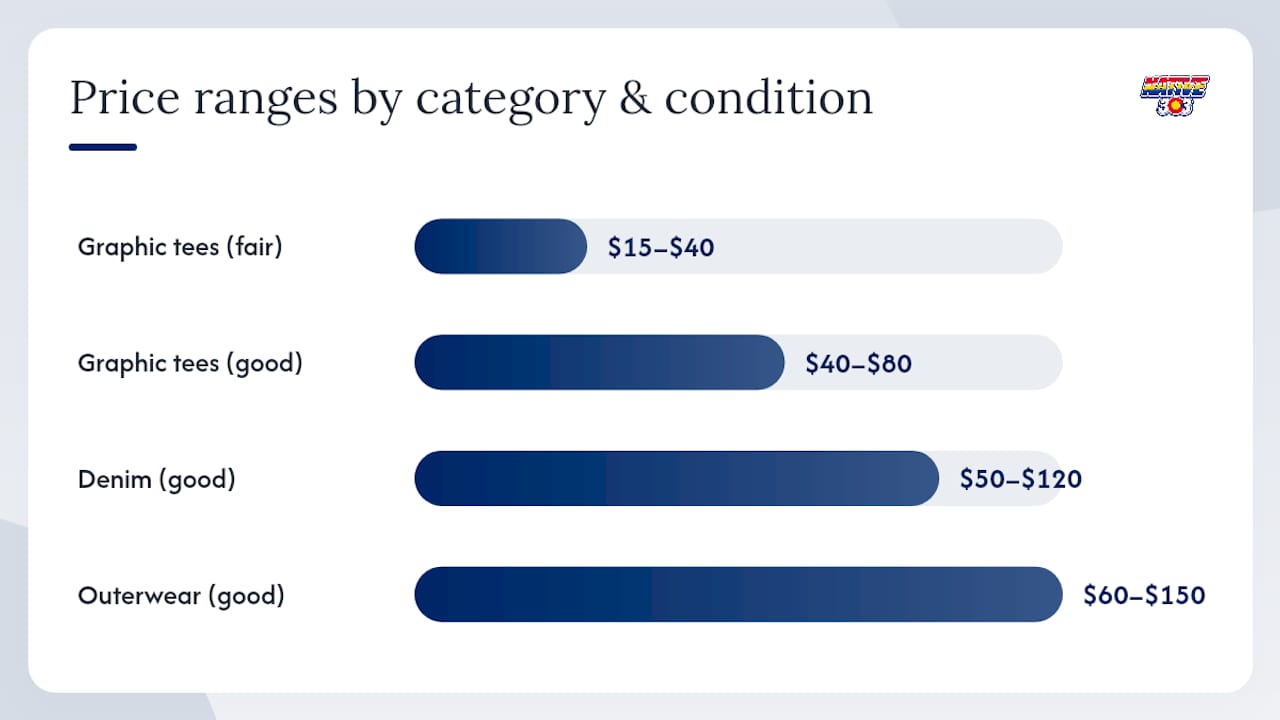
Graphic tees: entry-level pieces in fair condition (visible fading, minor staining) run $15–$40 on peer marketplaces. Good condition (fading but no damage) pushes $40–$80. Mint or deadstock examples from sought-after eras or brands can exceed $150. Quality repros from heritage labels land at $40–$80 with consistent sizing and no condition risk.
Outerwear: the widest price range of any category. A 1990s nylon coach jacket in good condition runs $60–$150; a rare colorway or brand collaboration can go higher. Repro versions from quality labels run $80–$150 and offer the advantage of intact lining and working zippers.
Denim: true vintage high-rise straight-leg denim in good condition runs $50–$120. Selvedge repros start around $100 and climb quickly. Fair-condition vintage denim with natural fading is often the best value in this category because the wear is part of the appeal.
Condition grades at a glance:
- Mint/deadstock: unworn or near-unworn, original tags present. Premium price, maximum longevity.
- Good: light wear, no damage, graphics intact. Best value for wearable pieces.
- Fair: visible fading or minor wear, graphics may show cracking. Acceptable for casual wear; price should reflect it.
- Distressed: significant wear, repairs, or damage. Only worth buying if the distressing is natural and the piece is rare.
Repro and vintage-inspired pieces generally cost less than true vintage in equivalent condition and require less careful maintenance. You can machine-wash a quality repro; a 1985 band tee needs cold water and a mesh bag at minimum.
What should you check before buying a vintage piece?
Pre-purchase checklist:
- Get actual measurements (chest, length, shoulder width, inseam) — not just the listed size.
- Request photos of the neck tag, wash tag, inside seams, and any visible wear spots.
- Confirm the return policy in writing before paying.
- For pieces over $100, ask whether the seller will ship with insurance and tracking.
- Check the seller's feedback history; look specifically for comments about condition accuracy.
- For rare or high-value items, ask for provenance: where did the piece come from, and how long has the seller had it?
- Verify the platform's buyer protection policy before completing the transaction.
Questions to ask any seller:
- "Can you measure the chest flat, the body length, and the shoulder seam to seam?"
- "Are there any stains, repairs, or damage not shown in the photos?"
- "What is your return policy if the item doesn't match the description?"
- "Will you ship with tracking and insurance?"
For high-value or rare buys, use platforms with built-in buyer protection rather than off-platform payment methods. Escrow or platform-mediated payment is the safest route for anything over $150. Check the Native303apparel size guide before ordering any Native303 piece to avoid sizing surprises.
Key Takeaways
The most reliable path to authentic retro urban looks is three pieces done right: a heavyweight graphic tee, era-accurate outerwear, and the correct denim silhouette, sourced from curated channels and styled with modern basics as the foundation.
| Point | Details |
|---|---|
| Start with three categories | Heavyweight graphic tees, retro outerwear, and era-accurate denim carry the most visual weight in any retro street look. |
| Curated channels beat broad marketplaces | Specialty boutiques and curated resellers offer better provenance and condition accuracy than peer-to-peer platforms. |
| Construction signals quality | Single-stitch hems, 6 oz.+ cotton blanks, and screen-printed graphics separate well-made pieces from cheap repros. |
| One anchor piece, modern everything else | Mixing one era-accurate statement piece with contemporary basics keeps the look intentional rather than costume-like. |
| Native303apparel for story-driven graphics | Native303apparel offers Denver nostalgia-inspired tees, hoodies, and accessories built to the construction standards this guide outlines. |
The piece that actually changes a look
Most vintage streetwear advice focuses on what to buy. The more useful question is what to swap. A modern outfit with one era-accurate outerwear piece reads as intentional; the same outfit with three vintage pieces reads as a theme. That single-swap principle is what separates people who wear vintage streetwear well from people who look like they raided a prop closet.
The other thing that gets underestimated is graphic specificity. Generic "vintage" motifs, distressed fonts, and faded logos that reference nothing in particular are everywhere right now, and they read as exactly what they are: fast fashion with a retro filter. The pieces that actually hold up over time reference something real, whether that's a specific subculture, a real place, or a documented era. That's why locally rooted graphics from brands like Native303apparel carry more weight than a generic 1990s aesthetic. The story is verifiable. You can point to the venue, the era, the city. That specificity is what makes Denver streetwear influences worth paying attention to, even if you're not from Colorado.
Choosing vintage or quality repros also has a practical upside beyond aesthetics. Buying vintage or high-quality repros reduces reliance on fast fashion and carries a smaller environmental footprint than cycling through cheap new garments. That's not the primary reason most people shop vintage, but it's a real one.
Native303apparel: curated Denver-inspired vintage-style pieces
Native303apparel is the direct answer for anyone who wants vintage-inspired streetwear with a real story behind it, without the condition risk of true vintage or the generic aesthetic of mass-market repros. Every design references a specific piece of Denver's history: a club, a diner, a shop that shaped the city's identity. The tees and hoodies are built on heavyweight blanks with double-stitched hems, which means they hold up to regular wear and washing the way a quality vintage piece should.
The graphic tees slot directly into the category-one picks in this guide. The hoodies and outerwear cover the layering and cold-weather templates. The tote bags and hats complete the accessory layer without a big spend. All of it ships direct to your door with a clear size guide so you're not guessing on fit.
Browse the full collection and check the size guide at Native303apparel to find the piece that fits your retro urban look.
Useful sources and further reading
These are the sources used in building this guide, annotated for what they're most useful for:
- Summer of vintage street style | Vogue
- Vintage skatewear: the complete style guide for 2026 — INCIDENT
- The 10 Best Vintage Clothing Stores in the US Right Now | Complex
- Pictures of vintage street style evolution | Business Insider
- earth.org
- The Ultimate Guide To Vintage Streetwear: History, Trends & How To Style It | Fashion Loving
- Retro Streetwear Style Guide | Boring Monday