
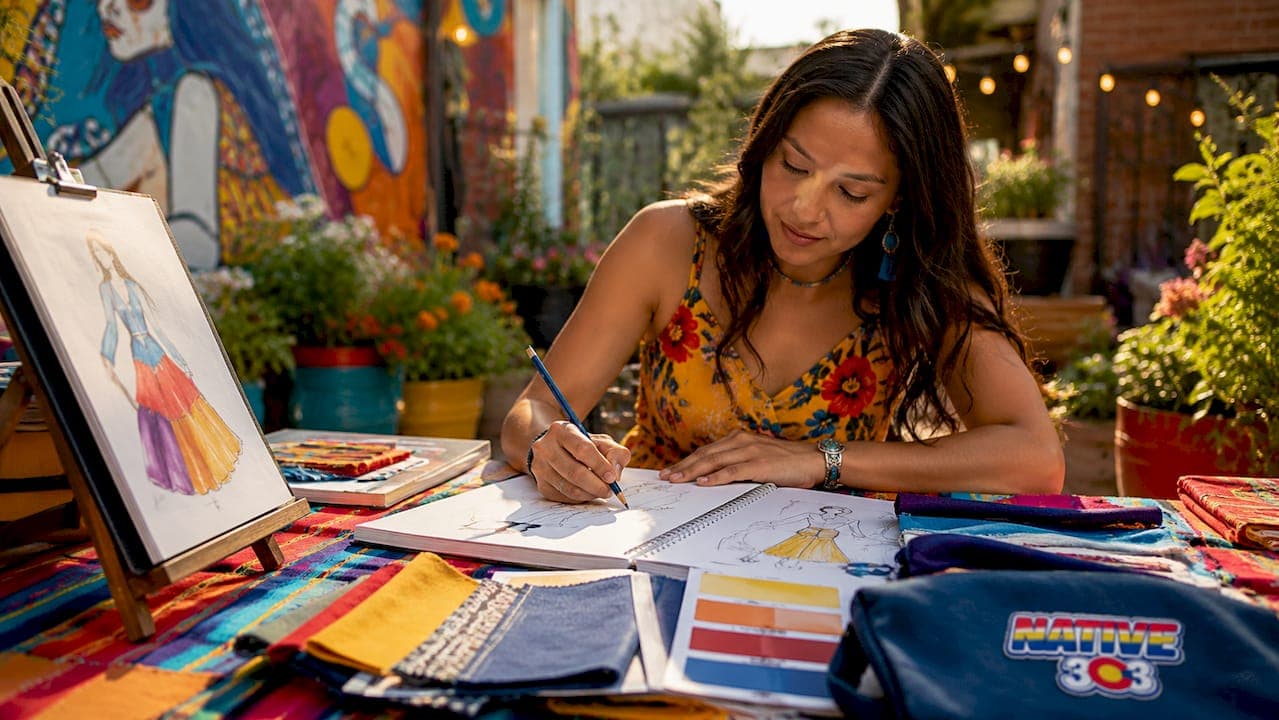
Denver's art scene inspires clothing by embedding local culture, environmental reality, and cross-disciplinary creativity directly into fashion design and personal style. This is not a casual influence. The city's geography, its institutions like the Denver Art Museum and Denver Fashion Week, and community programs like Color of Fashion have built a creative infrastructure that treats clothing as a living art form. For art enthusiasts and fashion-forward individuals asking why denver art scene inspires clothing, the answer runs deeper than aesthetics. Denver's apparel reflects who the city is, not just what it looks like.
Why Denver's art scene inspires clothing differently than other cities
Denver's fashion identity is defined by resourcefulness and originality. The city rejects coastal replication and instead builds a local creative infrastructure that rewards bold experimentation. That posture shows up directly in clothing design, where Denver artists and designers treat garments as cultural statements rather than commercial products.
The Denver Art Museum's 2026 "Conversation Pieces" exhibit makes this explicit. The show frames fashion as a personal art form that helps individuals learn about themselves and express identity. That framing matters because it positions clothing not as trend-chasing but as self-authorship. When a museum exhibit tells you that what you wear reveals who you are, the city's designers listen.
Denver Fashion Week reinforces the same message at scale. It became Denver's first official fashion week in 2018, growing from a small weekend event into a major cultural platform since 2012. That growth signals that the city's creative community had enough momentum to sustain a real fashion ecosystem, not just a seasonal showcase.
How Denver's geography and climate shape the fashion-art connection
Denver's altitude and climate variability are not just weather facts. They are design constraints that push local fashion in a specific direction. The city sits at 5,280 feet, where UV exposure is higher, temperature swings between morning and afternoon are dramatic, and outdoor life is non-negotiable for most residents.
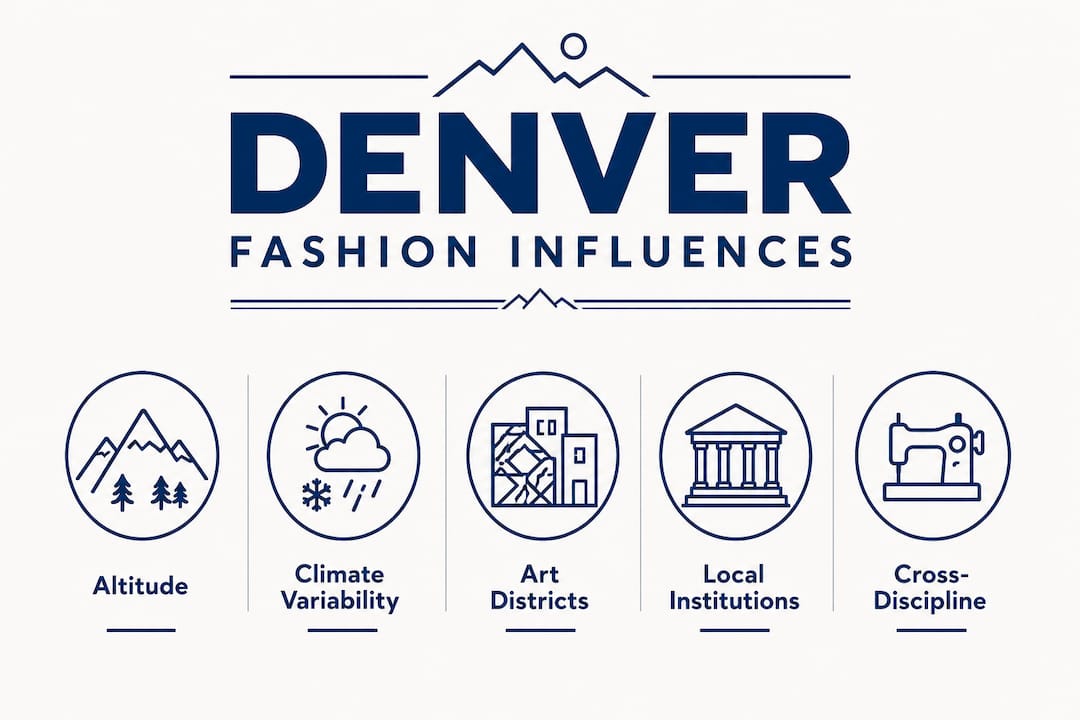
Those conditions produce what locals call "elevated casual." The concept blends technical outerwear with artistic styling rooted in workwear, Western wear, and layering traditions. The Denver Art Museum's "Conversation Pieces" exhibit explores exactly this intersection, showing how practical clothing choices become vehicles for creative expression when the environment demands function.
The result is a distinctive Denver fashion inspiration that you will not find replicated in New York or Los Angeles. Graphic tees worn under insulated vests, locally printed hoodies layered with technical shells, and Western-influenced silhouettes with contemporary art graphics are all products of this climate-driven creativity.
- Layering as design language: Denver designers treat layering as a visual and functional tool, not just a weather response.
- Technical fabrics with artistic prints: Local brands integrate moisture-wicking and UV-resistant materials with bold graphic designs.
- Western wear as a foundation: The city's heritage in Western dress gives designers a rich visual vocabulary to reinterpret.
- Outdoor lifestyle integration: Trail-ready silhouettes appear in urban fashion contexts, blurring the line between performance and style.
Pro Tip: When building a Denver-inspired outfit, start with a technical base layer and add a graphic piece that references local art or neighborhood culture. That combination captures the city's elevated casual aesthetic authentically.
How do Denver's art institutions shape fashion trends?
Denver Fashion Week does more than put clothes on a runway. It integrates local musicians, nonprofits, and restaurants into a cohesive cultural ecosystem where fashion is one thread in a larger creative fabric. That integration means designers work alongside visual artists, photographers, and community organizations rather than in isolation. The clothing that emerges reflects all of those influences.
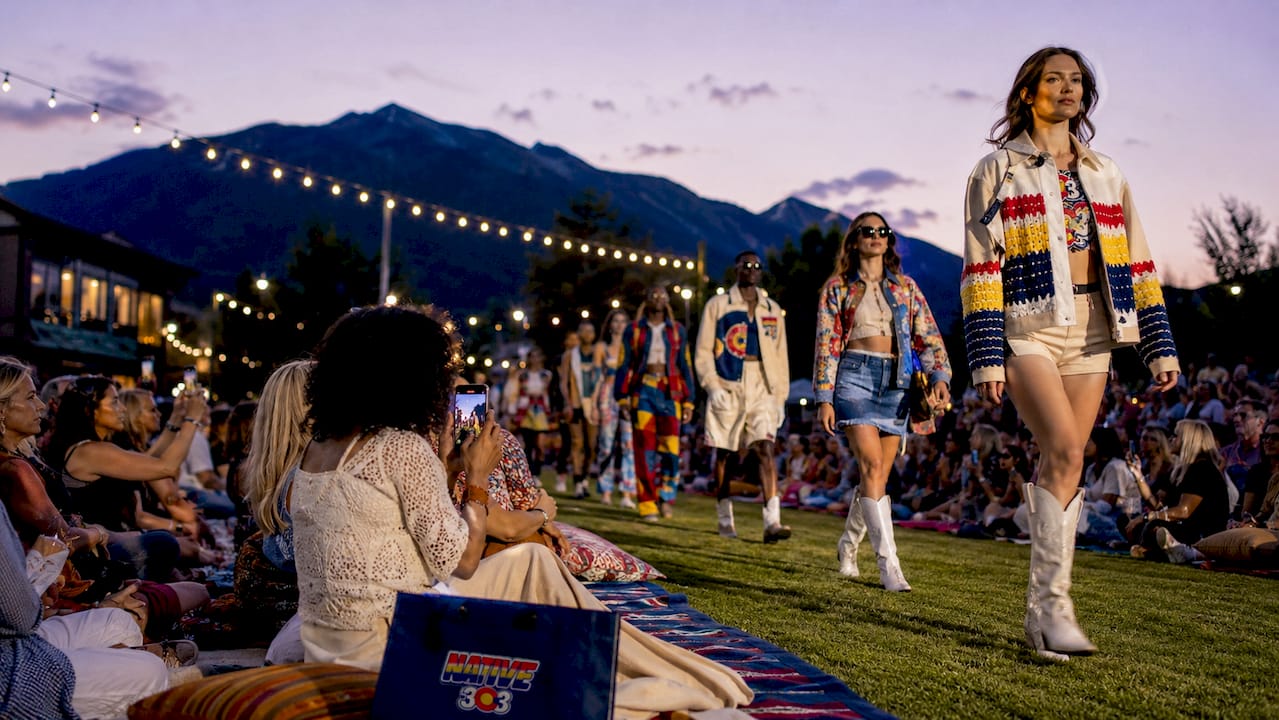
Color of Fashion (CoF) takes that integration further by focusing on equity and mentorship. Co-founded in 2021, CoF provides workshops, showcases, and mentorship that link clothing with contemporary art conversations and uplift underrepresented creatives. Its partnership with the Museum of Contemporary Art Denver for youth workshops, active as of june 2026, shows how institutional collaboration creates the next generation of Denver designers.
The Paper Fashion Show adds another dimension. Running since at least 2012, it treats garments as art installations rather than commercial products. Designers build sculptural pieces from unconventional materials, which frees them from market pressure and pushes creative boundaries. That experimental spirit filters back into everyday Denver fashion inspiration.
"Cross-disciplinary collaboration is a catalyst for Denver's unique cultural identity, spanning photography, film, music, and fashion. The city's creative community builds meaning across disciplines rather than within them."
The institutional ecosystem works because it connects rather than silos. A designer who shows at Denver Fashion Week may also participate in a CoF workshop, attend a Denver Art Museum opening, and collaborate with a RiNo mural artist. Those overlapping relationships produce clothing that carries genuine cultural weight.
What role do Denver neighborhoods play in fashion inspiration?
Denver's neighborhoods function as distinct design briefs. Each district carries its own visual language, and that language shows up directly in the style of neighborhood-inspired outfits that locals and designers produce.
RiNo (River North Art District) is the most visually aggressive. Its murals cover entire building facades with maximalist, large-scale imagery. Designers working in RiNo's orbit produce experimental, maximalist looks that mirror the district's industrial heritage and its transformation into a gallery-dense creative hub. Bold color blocking, oversized graphic prints, and mixed-media garments are RiNo's fashion signature.
The Highlands neighborhood reads differently. Its residential character and refined coffee-shop culture produce a smart-casual aesthetic. Designers inspired by Highlands favor cleaner lines, muted palettes with one strong accent color, and quality fabrics over volume. The role of Denver murals in fashion inspiration is present here too, but filtered through a quieter visual sensibility.
Local brands like Abstract Denver capture this neighborhood-specific identity by creating streetwear that narrates Denver's culture through wearable forms. Their work shows that the most authentic Denver fashion inspiration comes from paying attention to specific places, not the city as a generic whole.
| Neighborhood | Fashion aesthetic | Key design elements |
|---|---|---|
| RiNo | Maximalist, experimental | Bold murals, oversized graphics, mixed media |
| Highlands | Refined, smart-casual | Clean lines, muted palettes, quality fabrics |
| Capitol Hill | Eclectic, counterculture | Vintage references, layered textures, DIY details |
| LoDo | Urban professional | Structured silhouettes, Western accents, neutral tones |
- RiNo murals as graphic templates: Local designers photograph and reinterpret mural art as print motifs on tees, hoodies, and jackets.
- Highlands' residential calm: Slower, more considered design choices reflect the neighborhood's pace.
- Capitol Hill's counterculture energy: Vintage and thrift-influenced layering reflects the district's independent spirit.
How does cross-disciplinary collaboration fuel Denver's fashion creativity?
Denver's fashion creativity does not come from a single source. It comes from the collision of art, music, nonprofit work, and community organizing. Cross-disciplinary collaboration is the engine that keeps Denver's clothing scene original and self-sustaining.
The Paper Fashion Show is the clearest example of this dynamic. By asking designers to build garments from non-fabric materials, the event forces creative problem-solving that has nothing to do with commercial fashion cycles. Designers who participate return to their regular work with a broader sense of what clothing can do. That expanded thinking shows up in their collections.
Color of Fashion's partnership with the Museum of Contemporary Art Denver brings youth into this creative ecosystem early. Workshops that connect fashion design with visual art, photography, and film give emerging designers a multidisciplinary foundation. The result is a generation of Denver creatives who do not think of clothing as separate from other art forms.
- Mentorship pipelines: CoF and similar programs connect established designers with emerging talent, keeping the ecosystem generative.
- Sustainable design practices: Denver's creative community increasingly integrates sustainable materials and production methods, reflecting the city's environmental values.
- Non-traditional event formats: Events like the Paper Fashion Show lower barriers to entry and reward experimentation over polish.
- Music and fashion crossover: Denver Fashion Week's integration of local musicians creates a shared aesthetic language between sound and style.
Pro Tip: If you want to understand Denver's creative fashion ideas firsthand, attend a Color of Fashion showcase or a Paper Fashion Show event. Watching designers explain their process reveals the art-fashion connection more clearly than any finished garment can.
The sustainable design trend deserves specific attention. Denver's outdoor culture and environmental awareness push designers toward materials and methods that reduce waste. That commitment is not just ethical. It produces clothing with a distinct material character that separates Denver fashion from fast-fashion aesthetics.
Key Takeaways
Denver's art scene inspires clothing because the city has built a creative infrastructure where geography, institutions, neighborhoods, and cross-disciplinary collaboration all push designers toward originality and cultural authenticity.
| Point | Details |
|---|---|
| Geography drives design | Denver's altitude and climate variability produce the elevated casual aesthetic that defines local fashion. |
| Institutions build the ecosystem | Denver Fashion Week, Color of Fashion, and the Denver Art Museum create the platforms where art and clothing intersect. |
| Neighborhoods are design briefs | RiNo, Highlands, and Capitol Hill each produce distinct fashion aesthetics rooted in their visual and cultural character. |
| Collaboration fuels originality | Cross-disciplinary partnerships between artists, musicians, and nonprofits keep Denver's fashion scene self-sustaining and original. |
| Clothing as cultural identity | Denver designers treat garments as cultural statements, not commercial products, which is why the city's fashion carries genuine artistic weight. |
Denver fashion is more personal than people realize
I have watched Denver's creative scene evolve for years, and the thing that still surprises me is how personal it is. This is not a city where fashion trends trickle down from a central authority. Designers here build from their own neighborhoods, their own experiences with the climate, and their own relationships with local artists. That personal foundation is exactly what makes the clothing worth wearing.
The Denver Art Museum's "Conversation Pieces" exhibit put language to something I had already observed: fashion reveals identity. Denver designers understand that intuitively. When a RiNo-based designer prints a mural reference on a tee, they are not just making a graphic choice. They are telling you where they live, what they value, and who they are in relationship to their city.
Native303apparel embodies that same logic. The brand draws from Denver's iconic eateries, clubs, and shops because those places carry real memory and real meaning for the people who lived them. That is the difference between Denver-inspired clothing and clothing that just uses Denver as a backdrop. One carries culture. The other carries a logo.
My honest advice: stop looking for Denver fashion inspiration in trend reports. Walk RiNo at noon when the murals are fully lit. Sit in a Highlands coffee shop and watch how people layer. Attend a Denver Fashion Week show and notice how the music and the clothing talk to each other. The city is the curriculum.
— Rob
Native303apparel: wearable Denver culture
Denver's art scene produces clothing with a story, and Native303apparel is built on exactly that principle.
Native303apparel designs capture the memories of Denver's iconic eateries, buzzing clubs, and classic shops, translating lived experience into wearable Denver culture. Each piece connects you to a specific moment in the city's history, not a generic skyline graphic. The brand works with local artistic sensibilities to produce apparel that art enthusiasts and fashion-forward individuals can wear as genuine cultural expression. If you want to understand what genuine Denver-inspired clothing looks like in practice, the Native303apparel collection is a direct answer to that question.
FAQ
Why does Denver's art scene influence clothing so strongly?
Denver's creative infrastructure connects art institutions, neighborhood culture, and cross-disciplinary collaboration in ways that make clothing a natural output of the city's artistic identity. The Denver Art Museum, Denver Fashion Week, and Color of Fashion all treat fashion as a legitimate art form.
What is the "elevated casual" style in Denver fashion?
Elevated casual is the blend of technical outerwear and artistic styling that Denver's altitude and climate variability produce. It balances function with creative expression, drawing on Western wear traditions and local art influences.
How do Denver murals influence clothing design?
Denver murals, especially in the RiNo district, provide graphic templates and color palettes that local designers reinterpret as print motifs on tees, hoodies, and jackets. The role of Denver murals in fashion inspiration is most visible in maximalist, large-scale graphic designs.
What is Color of Fashion and why does it matter for Denver's clothing scene?
Color of Fashion is a Denver organization co-founded in 2021 that provides mentorship, workshops, and showcases connecting clothing design with contemporary art. Its partnership with the Museum of Contemporary Art Denver actively builds the next generation of diverse Denver designers.
How can I build a Denver neighborhood-inspired outfit?
Start with a technical base layer suited to Denver's climate, then add a graphic or printed piece that references a specific neighborhood's visual culture. RiNo calls for bold, maximalist graphics, while Highlands favors cleaner, more refined choices.