
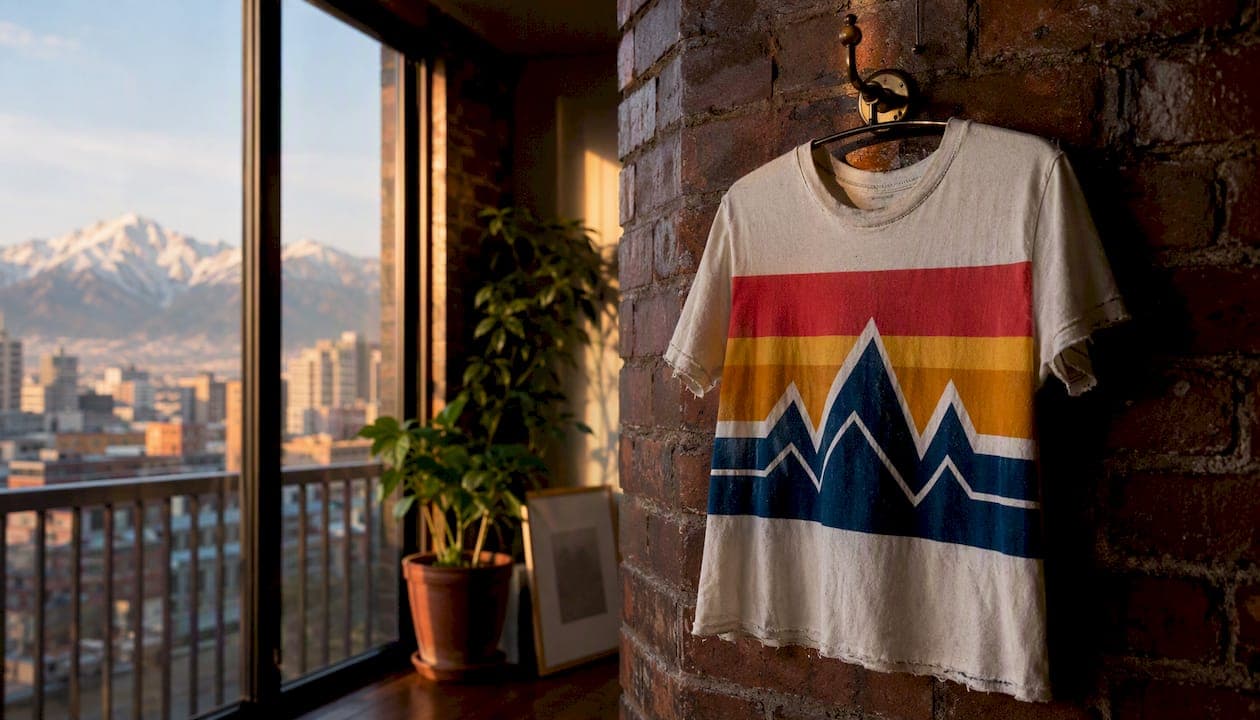
The top Denver and Colorado retro apparel designs collectors should target right now are Casa Bonita waterfall graphics, Buckhorn Exchange Western heritage art, Muddy's Cafe counterculture prints, 715 Club Art-Deco motifs, Rocky Mountain ski-resort vintage logos, and historic main-street shop and diner badges. All six themes align with what collectors want most, as detailed below. Native303apparel is the recommended source for authentic new nostalgia-inspired pieces built around these themes.
Three things to do before you buy:
- Check current limited drops at Native303apparel's storefront before a run sells out.
- Verify artist credit on every piece — a named designer is the single strongest authenticity signal.
- Consult the size guide before checkout so your collector piece fits the way you intend to wear or display it.
Key Takeaways
The most collectible Denver nostalgia apparel combines venue-specific artwork, named artist credit, a documented limited run, and quality construction that ages like a genuine vintage piece.
| Point | Details |
|---|---|
| Prioritize venue-specific themes | Casa Bonita, Buckhorn Exchange, Muddy's Cafe, 715 Club, Rocky Mountain ski-resort logos, and historic main-street shop/diner designs outperform generic Colorado graphics for collectors. |
| Verify artist credit and edition size | Named designer plus a run under 200 units are the two strongest collectibility signals at purchase. |
| Match production to longevity | Ring-spun cotton with screen or discharge printing ages authentically; thin plastisol-printed blanks crack within years. |
| Care preserves value | Cold wash inside out, air dry flat, store in acid-free tissue away from sunlight and humidity. |
| Buy from Native303apparel | Native303apparel offers limited-run Denver nostalgia drops with artist attribution and a full size guide at native303apparel.store. |
Table of Contents
- What are the top Denver retro design themes collectors want?
- What makes a Denver nostalgia piece genuinely collectible?
- How do you choose pieces and build a focused Denver collection?
- Where should you buy authentic Denver retro apparel?
- How do you care for wearable collectibles?
- How do edition size, artist credit, and provenance affect value?
- What collectors often get wrong about Denver nostalgia apparel
- Native303apparel: where to find current Denver drops
- Sources
What are the top Denver retro design themes collectors want?
Denver nostalgia apparel earns its collector status when the design is specific enough to trigger a real memory. Generic "Colorado" mountain graphics don't do that. These six themes do.
Casa Bonita (1974–present, Lakewood). The waterfall, cliff divers, and Mexican-village set pieces are instantly recognizable to anyone who grew up in the metro area. Casa Bonita's atmosphere was always the product, not the food, which is exactly why its iconography translates so powerfully onto a tee. Look for bold 1970s color palettes, hand-lettered script, and the waterfall silhouette as authenticity cues. This theme skews wearable daily.
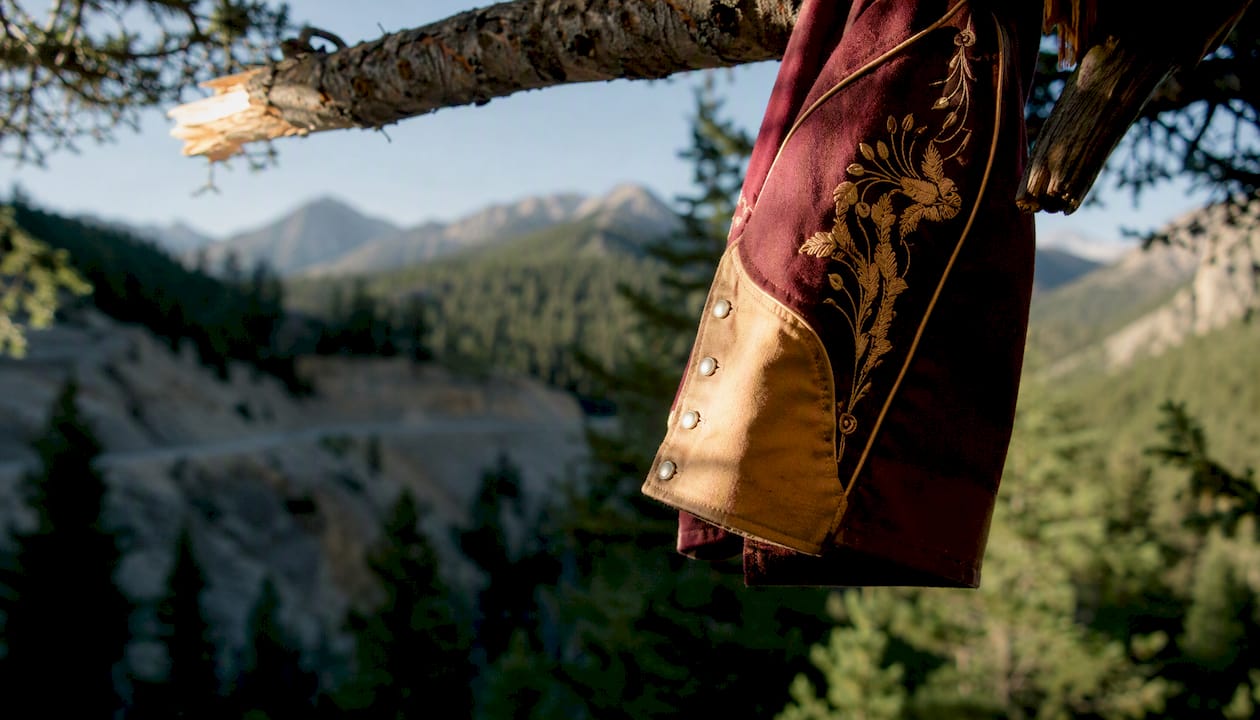
Buckhorn Exchange (est. 1893). Denver's oldest operating restaurant carries a century-plus of Western heritage. Buckhorn Exchange's history as a saloon and steakhouse gives designers rich visual material: trophy-room taxidermy motifs, frontier-era serif lettering, and deep burgundy and gold palettes. Pieces referencing the original liquor license number or the 1893 founding date signal real research. Collector-display pieces more than daily wear.
Muddy's Cafe (1980s–1990s). A Capitol Hill coffeehouse that shaped Denver's counterculture scene, Muddy's Cafe carries strong nostalgic resonance for locals who lived through that era. Authentic designs lean into photocopier-era zine aesthetics: rough ink textures, hand-drawn lettering, muted earth tones with occasional neon accents. Strong collector draw because the venue is gone.
715 Club. This historic Denver nightlife venue supplies Art-Deco ornament, jukebox imagery, and the kind of late-night glamour that reads immediately on apparel. Era-accurate cues include geometric border patterns, gold and black color fields, and condensed sans-serif type from the 1930s–1940s. A defunct venue, which raises collector interest considerably.
Rocky Mountain ski-resort vintage logos. Retro resort graphics from Arapahoe Basin, Loveland, and early Vail carry the same nostalgic weight as defunct restaurant themes. Authentic pieces use 1960s–1970s patch-style illustration, limited color separations, and the kind of slightly faded palette that signals the era without faking distress artificially.
Historic main-street shops and diners. Smaller, neighborhood-level references — a specific diner badge, a hardware store logo, a neighborhood pharmacy sign — often produce the strongest collector response among long-term locals. Eater's reporting frames this kind of venue apparel as an identity marker, not just a shirt.
When evaluating any of these themes, ask the seller:
- Can you share the artist's portfolio or a short provenance note?
- Is this design referenced to a historical photo or archival source?
- What is the edition size for this run?
What makes a Denver nostalgia piece genuinely collectible?
Design strategists at WGSN, as reported in The Guardian, are clear on this: venue-inspired merch must feel authentically nostalgic rather than purely commercial. The difference shows up in specific, verifiable details.
Design cues that raise collectibility:
- Venue-specific artwork tied to a real address, era, or event
- Era-accurate typography (Art-Deco condensed type, 1970s rounded display fonts, zine-era hand lettering)
- Defunct or rare-venue references, which tap a shared sense of loss among long-term locals
- Limited-run numbering printed or tagged on the piece
Production cues:
- Ring-spun cotton (typically 4.5–6.2 oz.) for a softer hand that ages like a genuine vintage shirt
- Screen printing or discharge printing, both of which fade naturally over time rather than cracking
- Locally produced runs, which research on U.S. apparel consumers links to higher perceived authenticity
Provenance cues:
- A named designer with a verifiable portfolio
- Photos or written notes linking the artwork to the original venue
- Documented edition size (e.g., 1/150)
Pro Tip: Ask any seller for a direct link to the artist's portfolio or Instagram. A designer who can't be found online is a red flag for generic clip-art work dressed up as local nostalgia.
Trust signals to confirm at purchase: designer bio, edition size, material and print specs, a made-in note, and a clear return and sizing policy.
How do you choose pieces and build a focused Denver collection?
Research on place-connected products shows that items tied to local memory carry higher emotional value than generic alternatives. That emotional pull is real, but it can also lead to impulse buys that don't cohere as a collection. A simple framework prevents that.
- Define your theme focus. Pick venue-based (Casa Bonita, Buckhorn, Muddy's) or era-based (1970s ski culture, 1930s Art-Deco nightlife) before you browse. Mixing both without intention produces a scattered shelf.
- Verify authenticity cues. Check for artist credit, era-accurate typography, and a documented edition size before committing.
- Set a per-piece budget. New nostalgia tees typically run $28–$45; hoodies and sweatshirts $55–$85; hats and accessories $25–$40. Know your ceiling before a drop goes live.
- Check edition size. Runs under 200 units tend to hold collector interest longer. Runs that are much larger tend to behave like general merchandise.
- Prefer artist-signed or numbered pieces when the price difference is modest — the documentation adds resale context later.
- Confirm sizing and returns before checkout. A piece you can't wear or exchange becomes a storage problem, not a collection.
- Stagger purchases by drop cycle. Buying one wearable-first and one display-first piece per theme keeps the collection purposeful and your budget intact.
Save every order receipt, artist note, and edition number in a single folder. That paper trail is your provenance record, and it matters if you ever sell or gift a piece.
Where should you buy authentic Denver retro apparel?
Culture-specific design cues increase purchase intention precisely because they signal that the maker understands the place. That's the standard Native303apparel is built around.
Native303apparel focuses exclusively on metro Denver and Colorado nostalgia themes. Every design is venue-inspired, locally informed, and released in limited runs with artist attribution. The about page lays out the curation rationale directly.
What you'll find in the catalog:
- Graphic tees and hooded sweatshirts built around specific Denver venues
- Hats, tote bags, and pint glasses for gifting or display
- Limited-edition drops announced via email and social channels
- Custom requests for specific designs, colors, or sizes
Before you order, check the Native303apparel size guide — fit varies by garment weight and cut, and collector pieces are worth getting right the first time.
U.S. apparel research notes that limited selection and accessibility are the two most common barriers buyers face with locally made goods. Native303apparel's e-commerce model addresses both: the full catalog is available online, ships nationally, and drops are announced in advance so you can plan.
How do you care for wearable collectibles?
Screen-printed and discharge-printed pieces age best with cold-water machine washing, inside out, on a gentle cycle. Skip the dryer when you can — air drying flat preserves both the print and the fabric weight. Avoid detergents with optical brighteners, which degrade ink over time.
For long-term storage:
- Fold rather than hang heavier pieces (hanging stretches the collar and shoulders over months)
- Wrap display-only pieces in acid-free tissue before boxing
- Store in a cool, dry space away from direct sunlight, which fades prints faster than washing does
- Keep pieces out of humid basements — moisture sets mildew into cotton fibers permanently
If a stain appears:
- Blot immediately, don't rub
- Apply a small amount of dish soap directly to the stain before it sets
- Rinse cold, then wash inside out on gentle
- Never use bleach on a printed area
Adhesive stickers on folded shirts are a slow-motion problem: the adhesive migrates into the fabric over months and leaves a permanent mark. Tag your collection with hang tags or paper labels instead.
How do edition size, artist credit, and provenance affect value?
Designs invoking defunct or historic venues produce stronger collector response than generic city landmarks because they tap a shared sense of loss and "club" membership among long-term locals. A shirt referencing a place that no longer exists can't be reprinted authentically — the venue is gone, and that scarcity is real.
Rarity signals to assess at purchase:
- Edition number present on the tag or label (e.g., 47/150)
- Named artist with a verifiable portfolio
- Documented run size stated by the seller
- Provenance note linking the artwork to a historical source
Price ranges for new Denver nostalgia drops generally fall within a moderate price range for graphic tees, hooded sweatshirts, hats, accessories, and limited prints. Secondary-market prices for sold-out, limited runs vary widely and depend almost entirely on how well the original provenance was documented.
HBR's analysis of place-connected products confirms that emotional value drives willingness to pay a premium. A piece with a named artist, a numbered edition, and a documented venue connection commands more than an identical garment without that context.
What collectors often get wrong about Denver nostalgia apparel
Most collectors focus on the graphic and miss the production details. A beautiful Casa Bonita waterfall print on a thin, plastisol-printed blank will crack within two years of regular washing. The design earns the attention; the garment construction determines whether it lasts.
The other underrated factor is community. Small-batch nostalgia brands that collect customer memories and reflect them in design choices build repeat buyers more reliably than brands chasing trend cycles. When a design comes from a real conversation about what a place meant to people, you can feel it in the specificity of the artwork.
For daily wear, layer a venue-graphic hoodie under a denim or canvas jacket so the print stays protected. For display, a shadow box with the hang tag attached and a short provenance card underneath turns a tee into a proper piece of local memorabilia. Rotate wearable pieces every few months rather than wearing the same one repeatedly — prints last significantly longer with rest cycles.
Native303apparel: where to find current Denver drops
Native303apparel carries the Denver and Colorado nostalgia designs this article covers, released in limited runs with artist attribution and full sizing support. You get venue-specific artwork on quality garments, not generic mountain graphics on a blank tee. Browse the current catalog at Native303apparel, check the size guide before you order, and sign up for the email list to get drop notifications before runs sell out. When a limited edition goes live, it moves fast.
Sources
- Hospobilia: how repping your local’s merch became a fashion hit
- How Does Locality Impact the Sales and Purchases of Textiles and Apparel? Exploring Retailers' and Consumers' Perspectives in the U.S.
- Journal article on culture-specific cues and purchase intention
- Why We Buy Products Connected to Place, People, and Past
- Buckhorn Exchange — Colorado Encyclopedia
- Casa Bonita's history — Denver Public Library
- Why Is Branded Restaurant Merch Everywhere? | Eater