
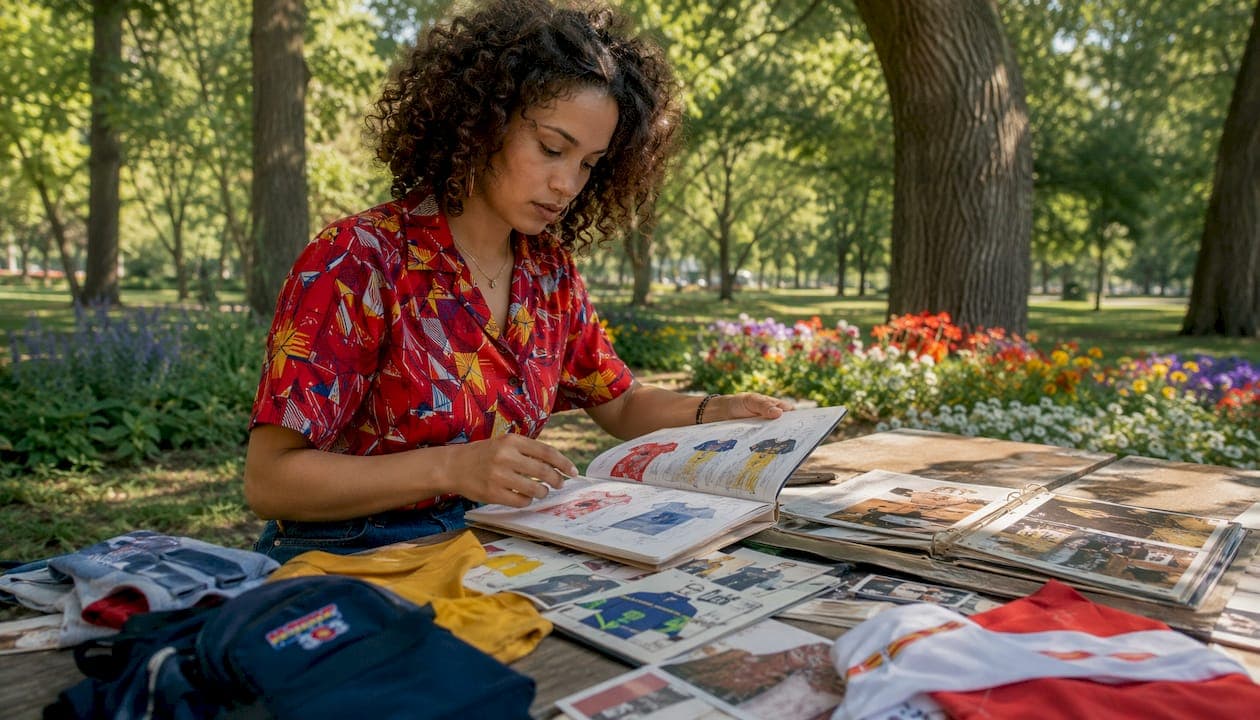
Local history is one of the most powerful forces in fashion, and it always has been. The clothes people wear carry the weight of where they come from: the symbols stitched into fabric, the dyes drawn from regional plants, the silhouettes shaped by generations of local artisans. Fashion, at its core, is a form of cultural memory made wearable.
This connection between place and dress shows up across every culture and era. Traditional garments function as visual cultural language, signaling belonging and preserving community identity in ways that written records simply cannot replicate. The role of local history in fashion goes well beyond aesthetics. It shapes who we believe ourselves to be, how we signal that to others, and how communities pass meaning from one generation to the next.
Key ways local history manifests in apparel:
- Symbolic motifs drawn from regional mythology, religion, or political history
- Craft techniques developed and refined by local artisans over centuries
- Color palettes tied to natural dyes, landscapes, or ceremonial traditions
- Silhouettes and cuts adapted to climate, labor, and social hierarchy
- Textile patterns encoding philosophical or spiritual meaning specific to a community
How fashion reflects cultural identity and values
Fashion does not just reflect culture passively. It actively constructs it. The clothes a community chooses to wear, celebrate, or reject tell you more about its values than almost any other artifact. Dress codes have always encoded social norms, from the sumptuary laws of medieval Europe that restricted certain fabrics to the lower classes, to the deliberate adoption of denim by American workers as a symbol of labor dignity.
Regional heritage shapes both fashion aesthetics and consumer preferences in ways that go deeper than trend cycles. In communities where cultural identity faces pressure from globalization, traditional dress often becomes a form of resistance and pride rather than mere habit. The kente cloth of the Asante peoples in Ghana, for instance, carries encoded meaning in every color and pattern, functioning as a statement of lineage and occasion rather than decoration alone.
- Fashion communicates social rank, religious affiliation, and ethnic identity simultaneously
- Diaspora communities often blend ancestral aesthetics with host-culture influences, creating hybrid styles that signal dual belonging
- Political movements have historically co-opted specific garments as symbols, from the Black Beret to the suffragette white dress
Pro Tip: If you want to understand a community's values, study what they wear to their most important ceremonies. The gap between everyday dress and ceremonial dress tells you exactly what that community considers sacred.
Global exchange accelerates this process. As cultures interact, fashion absorbs new influences while communities negotiate which elements to preserve and which to adapt. That tension between preservation and evolution is where the most interesting design happens.
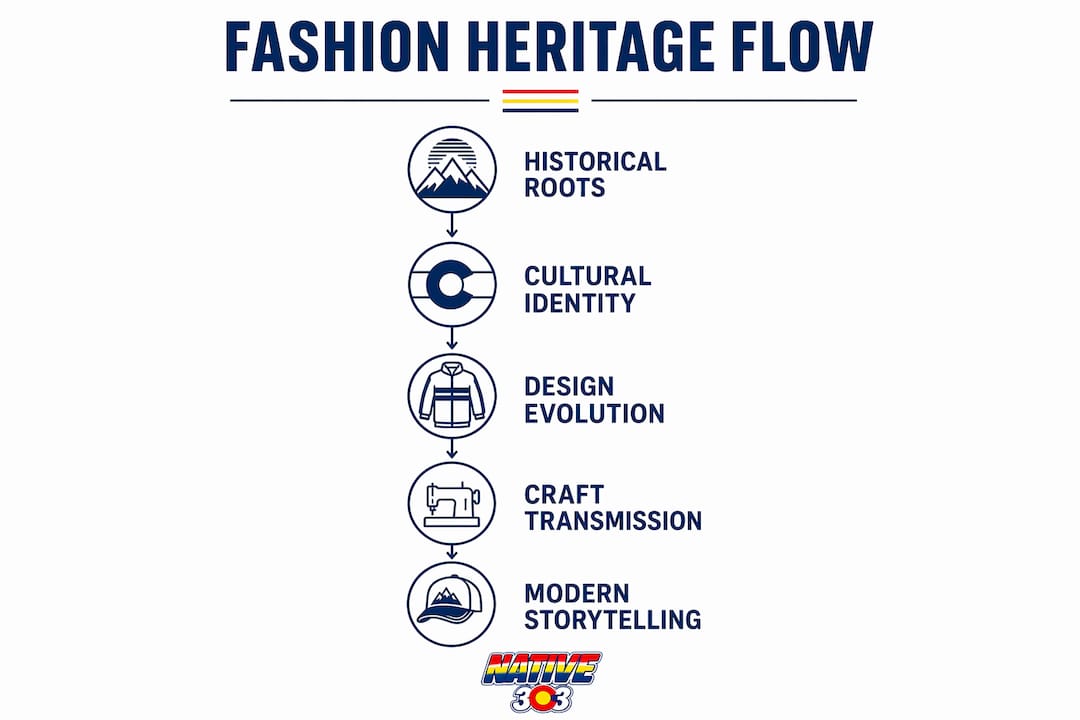
How historical events and cultural heritage drive design
Historical events leave permanent marks on fashion. World War II rationing produced the utility dress aesthetic, with its clean lines and minimal fabric use, and that restraint still echoes in minimalist design today. The counterculture of the 1960s drove fashion innovation through deliberate rejection of mainstream silhouettes, producing trends that resurface in every subsequent decade.
Heritage archives are an underused engine for this kind of design work. Textile samples, costume collections, and regional craft records held in local museums offer designers a direct line to authentic historical material that no trend forecast can replicate. The silk ribbon trade archive at the Herbert Museum in Coventry, England, for example, holds manufacturers' samples that document an entire regional industry's aesthetic evolution across centuries.
| Region | Heritage Influence | Design Element |
|---|---|---|
| West Africa (Asante) | Kente weaving traditions | Symbolic color and pattern encoding |
| Java, Indonesia | Batik philosophy | Motif-based storytelling in dye work |
| American Southwest | Indigenous geometric traditions | Pattern repetition in textiles |
| Appalachian U.S. | Quilting and patchwork heritage | Textile collage and repurposed fabric |
| Scandinavia | Norse folk embroidery | Geometric border motifs in knitwear |
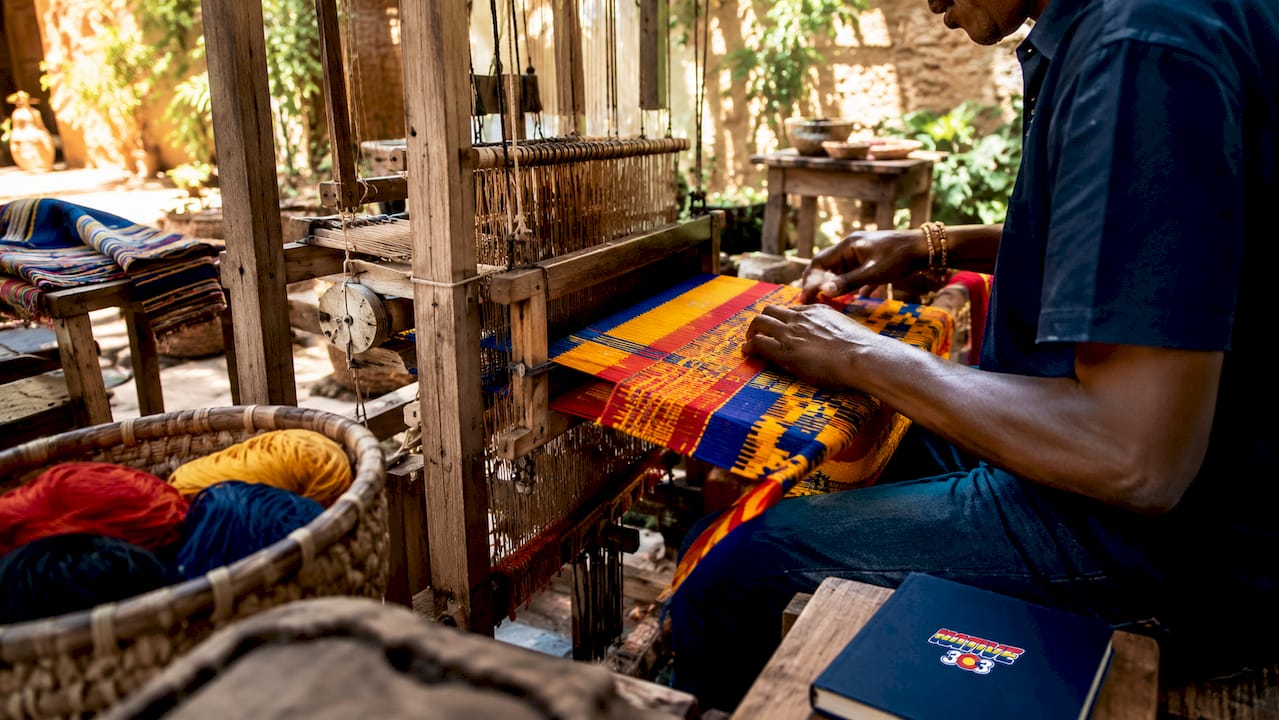
The generational transmission of craft knowledge is what keeps these influences alive and evolving rather than frozen. When younger designers engage directly with heritage techniques, they do not simply reproduce them. They reinterpret them through a contemporary lens, which is exactly how regional fashion trends stay relevant without losing their roots.
Pro Tip: Visit your local historical society or regional museum before your next design project. The costume and textile collections most institutions hold are rarely digitized and almost never crowded. You will find reference material there that no one else is using.
Fashion as storytelling and living cultural memory
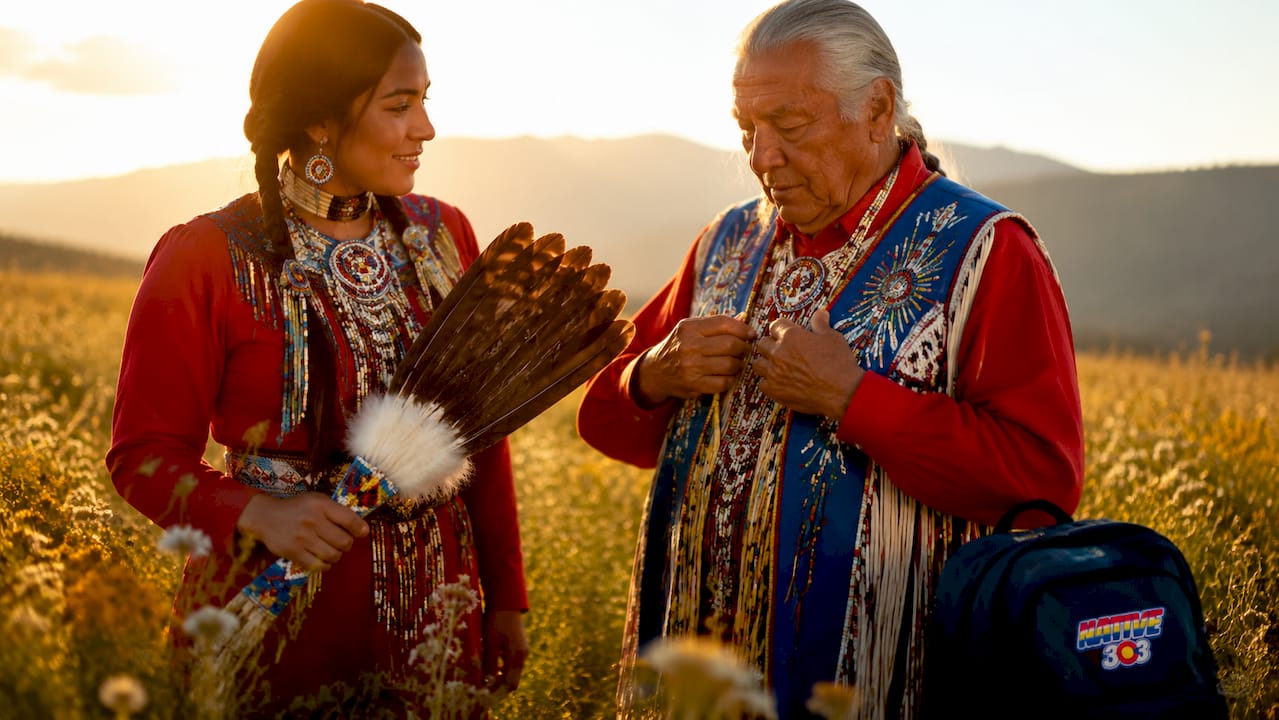
Garments are narrative tools. A single piece of clothing can carry a family's migration story, a community's resistance to colonization, or a region's relationship with the land. The motifs and colors in traditional attire convey philosophical messages about community, nature, and identity that go far beyond surface decoration.
This storytelling function operates across generations. Clothing traditions pass down not just techniques but worldviews. A grandmother teaching her granddaughter to embroider a specific pattern is transmitting a cultural philosophy, not just a skill. That intergenerational transfer is how communities maintain continuity through displacement, urbanization, and cultural pressure.
Fashion in local communities is dynamic and participatory rather than static. Museums and cultural institutions that frame fashion as a living, evolving expression encourage regeneration instead of freezing history in place. The most effective preservation happens through community-led storytelling and co-design, not through glass cases alone.
Fashion also plays a specific role in commemoration. Communities wear particular garments to mark historical anniversaries, mourn collective losses, and celebrate cultural survival. The living archive function of dress is most visible in these moments, when what someone wears is a direct act of historical memory.
Key storytelling mechanisms in fashion:
- Motif inheritance: Patterns passed down within families or craft guilds carry specific narrative content
- Commemorative dress: Garments worn at cultural celebrations encode collective historical memory
- Hybrid styling: Diaspora communities create new visual languages by layering ancestral and contemporary elements
- Place-based design: Apparel referencing specific local landmarks, industries, or events anchors wearers to a particular geography and time
Cultural appropriation vs. appreciation: where the line sits
The tension between honoring local history through fashion and exploiting it is one of the defining debates in contemporary design. The distinction comes down to context, credit, and community benefit. Appreciation involves genuine engagement with a culture's history, collaboration with its artisans, and transparent acknowledgment of the source. Appropriation strips the symbol from its meaning and the community from its credit.
Heritage brands that do this well use their cultural heritage as a value proposition built on five measurable attributes: history, longevity, track record, core values, and symbolic style codes. Each of these requires genuine rootedness in a place and community, not surface-level borrowing. A brand that simply prints a sacred pattern on a fast-fashion item without any connection to its origin fails every one of those criteria.
Globalization has made this harder to navigate, not easier. As design influences travel faster and cultural symbols circulate globally through social media, the distance between a symbol's origin and its commercial use has collapsed. That speed creates real risk for communities whose visual heritage gets absorbed into trend cycles without their input or benefit. The answer is not to freeze cultural symbols behind protective barriers but to build genuine relationships between designers and the communities whose histories they draw from. That process takes time and cannot be faked.
How Native303apparel uses Denver's local history in design
Native303apparel does exactly what the best place-based fashion does: it treats local history as the primary design material. The brand draws directly from metro Denver's cultural memory, translating the city's iconic eateries, clubs, and neighborhood landmarks into wearable graphics that carry genuine nostalgic weight for anyone who lived that history.
Place-based fashion works when the designer has a real relationship with the place. Native303apparel's designs are rooted in Colorado's mountain culture and the specific visual energy of Denver's past, combining vibrant red, yellow, and blue stripes with a retro-inspired sensibility that evokes the city's character rather than a generic idea of the American West.
The brand's approach reflects what experiential cultural learning research consistently shows: when people connect with a garment's story, they move from passive consumers to active participants in cultural preservation. Buying a Native303apparel piece is not just a purchase. It is an act of claiming a piece of Denver's story.
What sets this approach apart:
- Designs reference specific Denver landmarks and cultural moments, not generic regional imagery
- The retro color palette connects to Colorado's visual heritage without resorting to cliché
- Each piece functions as a conversation starter about the city's history for both longtime residents and newcomers
- The brand positions itself as a cultural storytelling vehicle rather than a generic apparel label
Pro Tip: If you are building a place-based brand, start with the stories that only locals know. The obscure diner, the club that closed in 1987, the neighborhood mural. That specificity is what separates genuine cultural fashion from tourist merchandise.
For anyone who wants to wear Denver's story, Native303apparel's full collection is the place to start. The designs carry the kind of local specificity that luxury streetwear brands increasingly recognize as the most durable form of brand identity.

Key Takeaways
Local history shapes fashion by embedding cultural memory, identity, and community narrative directly into design, and brands that engage this process authentically build lasting cultural relevance.
| Point | Details |
|---|---|
| History lives in garments | Traditional motifs, colors, and craft techniques carry philosophical and community meaning beyond aesthetics. |
| Heritage drives design innovation | Archive collections and regional craft traditions offer designers original material that trend forecasting cannot replicate. |
| Fashion preserves cultural memory | Intergenerational transmission of clothing traditions keeps community identity alive through displacement and change. |
| Appropriation vs. appreciation | Genuine engagement requires community collaboration, credit, and transparent acknowledgment of cultural sources. |
| Place-based brands build real loyalty | Brands like Native303apparel that root design in specific local history create deeper consumer connection than generic regional imagery. |