
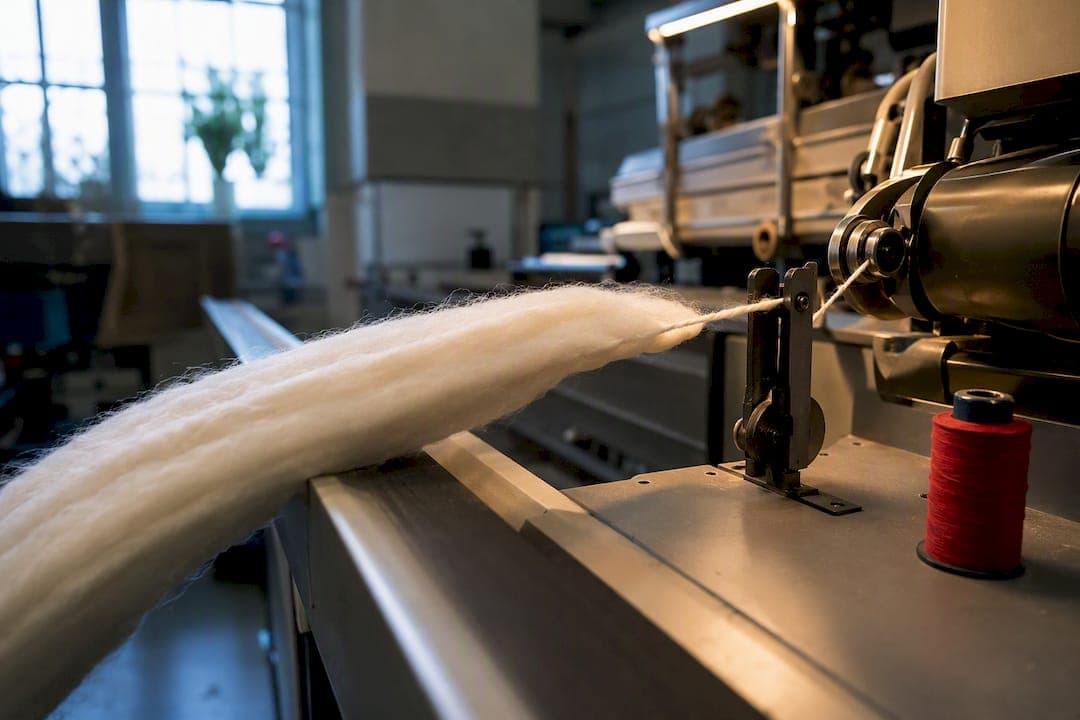
Choose ringspun cotton for retail-quality shirts and detailed prints, and go combed ringspun when you want the softest possible hand for a premium line. Pick carded or open-end cotton for the lowest-cost bulk promo runs or when you want a rougher, vintage-style texture. Yarn count and combing shift the results within each category, so the ringspun versus carded split is really a starting point, not the whole answer.
TL;DR:
- Combed ringspun cotton offers the softest touch and best print fidelity, making it ideal for retail quality shirts with fine details and light colors.
- Open-end and carded cotton are faster and cheaper to produce, suited for bulk promotional items, vintage styles, and bold graphic designs without fine detail.
- Spinning methods significantly affect fabric softness, durability, and print quality, with ring spinning producing tighter, stronger, and smoother yarns.
- Testing samples through hand-feel, printing, and wash cycles before mass production ensures accurate expectations for shrinkage and fabric performance.
- Brands frequently choose ringspun for premium apparel and heavier carded for textured, vintage-style garments, depending on the project's specific goals.
Table of Contents
- How Cotton Becomes Yarn: Carding, Combing, and Spinning Methods
- Key Differences: How Process Turns Into Fabric Feel
- Why Ringspun and Combed Ringspun Cost More, and When It's Worth It
- Where Carded and Open-End Cotton Still Make Sense
- How Spinning Method Changes Your Print Results
- How Do You Choose Between Ringspun and Carded Cotton?
- Care, Shrinkage, and How Long Each Fabric Lasts
- What a Maker Actually Checks Before Production
- Which Fabric Native303apparel Uses, and Why
- Get Your Hands on the Fabric Before You Commit
- Sources
- FAQ
How Cotton Becomes Yarn: Carding, Combing, and Spinning Methods
Every cotton yarn starts as a loose rope of fiber called a sliver, but what happens to that sliver next determines almost everything about the finished shirt.
Carding untangles raw cotton fibers and aligns them into a sliver, but it leaves short fibers and impurities mixed in. Yarn spun straight from carded sliver, including most open-end yarn, keeps that raw texture: a little fuzzier, a little less refined. Combing is an extra step performed before spinning that pulls out the short fibers and straightens the rest, which is why combed cotton is smoother and pricier than plain carded cotton.
Spinning is where the real fork in the road happens:
- Ring spinning twists roving through a rotating ring-and-traveler mechanism, producing a finer, stronger, more tightly twisted yarn.
- Open-end (rotor) spinning feeds fiber into a spinning rotor at high speed, which is faster and cheaper but produces a bulkier, weaker, hairier yarn.
- Compact spinning, a ring-spinning variant, condenses the fiber bundle just before twisting, cutting down on stray fibers even further.
Open-end machines run faster and need less labor per pound of yarn, which is the root of every price difference you'll see later in this guide, backed by the mechanics Wikipedia lays out for cotton spinning.
Key Differences: How Process Turns Into Fabric Feel
The spinning method you choose shows up in the fabric long before anyone prints on it. Ring-spun yarn is measurably tighter, smoother, and stronger than open-end yarn, and that translates directly into a softer, more durable finished garment that holds ink better, according to Cotton Incorporated's technical research.
Here's how that plays out across the attributes buyers actually care about:
- Softness/hand: Ringspun wins on smoothness; yarn count matters just as much as spinning method, and a 30s carded tee can feel heavier and rougher than a 40s ringspun tee even in the same weight class.
- Durability/pilling: Ringspun's tighter twist resists pilling longer, since fewer loose fiber ends are exposed to friction.
- Print surface: Ringspun's even, low-hairiness surface gives screen prints and DTG cleaner edges; carded surfaces can trap ink in stray fibers and soften fine detail.
- Cost/throughput: Open-end and carded production runs faster and cheaper, which is why carded blanks routinely undercut ringspun on price per unit.
- Finishing and blends: Poly-cotton blends and certain finishes can narrow some of these gaps, but they don't erase them.
None of this means carded cotton is a lesser fabric across the board. It means the two methods are built for different jobs.
Why Ringspun and Combed Ringspun Cost More, and When It's Worth It
Ringspun earns its price premium the moment a customer touches the shirt. That immediate soft, substantial hand is what lets retail brands charge more without feeling like they're overreaching, a pattern practical buyer guides point to again and again when comparing ringspun and carded cotton.
Print fidelity is the other half of the case. Ringspun's smoother surface holds fine halftones and gradient work in DTG printing far better than a hairier carded blank, where stray fibers scatter ink at the edges of small text or detailed line art. The tighter twist also means the yarn simply survives more wash cycles before fibers start breaking down.
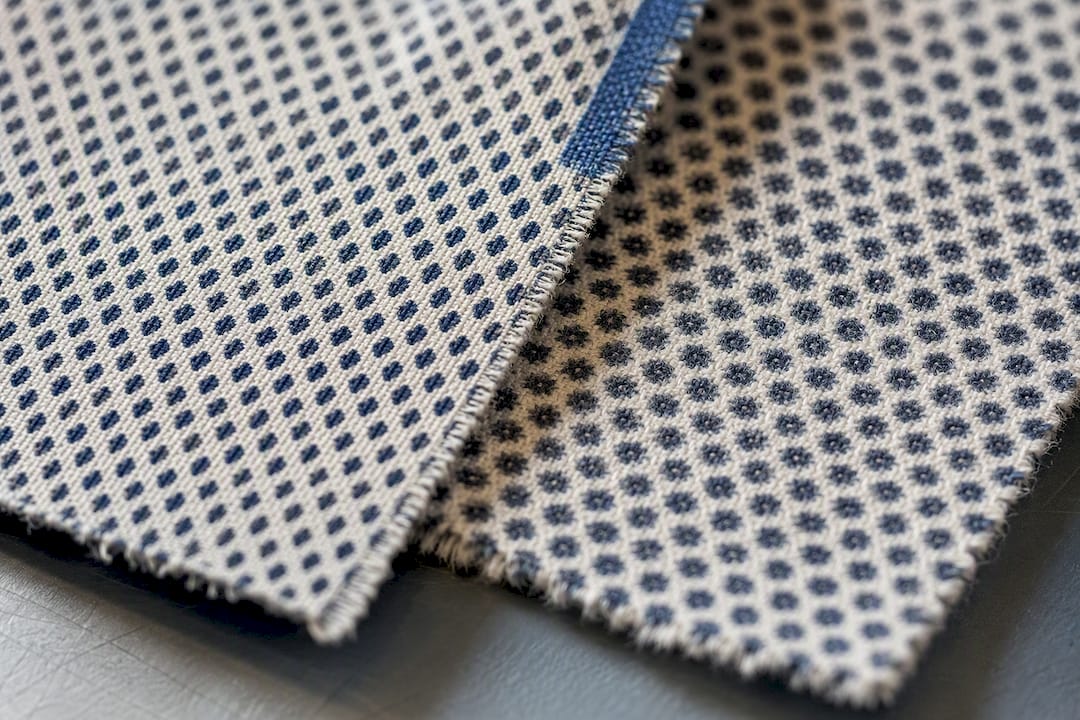
Combed ringspun is the upgrade above standard ringspun, and it's worth the jump whenever the design includes fine detail, light colors, or a soft-touch print, since combing strips out the short fibers that cause most of the residual hairiness.
Pro Tip: If a supplier lists a shirt as simply "ringspun" without mentioning combing, ask directly. Marketing copy leans hard on the word "ringspun" while quietly skipping the combed step that actually delivers the softest hand.
Where Carded and Open-End Cotton Still Make Sense
Carded and open-end cotton aren't the budget consolation prize. They're the right call for specific jobs.
- Bulk promo runs. When you're printing 500 identical shirts for a conference giveaway, the lower cost per blank adds up fast, and carded availability tends to be better on short timelines, as seen in many cotton tote bags used for promotional purposes.
- Vintage or workwear aesthetics. That slightly fuzzy, heavier hand is exactly the texture some brands want, a point covered in more depth in this guide to vintage-inspired cotton fabric.
- Simple, bold graphics. A single-color screen print with thick lines doesn't need ringspun's surface precision to look sharp.
- Blended or finished options. A carded cotton-poly blend with a soft-wash finish can close some of the comfort gap without ringspun pricing.
How Spinning Method Changes Your Print Results
The blank you choose should match the decoration method, not just the budget.
- Screen printing favors ringspun for fine detail and multi-color work, since the smoother surface means less fuzz contaminating crisp edges. Heavy, single-color screens tolerate carded fine, a distinction covered in this screen print vs. DTG breakdown.
- DTG printing performs best on combed ringspun. Fine halftones and photographic gradients need the low hairiness that only combing plus ring spinning delivers, a combination decoration specialists flag as the standard for DTG and fine-screen work.
- Embroidery cares less about spinning method and more about fabric density, but a hairier carded fabric can need extra stabilizer to keep stitches clean.
- Sample tests to run before committing to a bulk order: a hand-feel check, a small test print, and a rub test after one wash cycle.
Water-based versus plastisol ink choices interact with fabric surface too, which is worth checking against this comparison of ink types before locking in a decoration method.
How Do You Choose Between Ringspun and Carded Cotton?
Start with your end use, then work backward into specs.
If the goal is retail sale or a premium gift item, prioritize ringspun, and specify combed ringspun if the design has fine detail or light colors. If the goal is a high-volume promotional run where cost per unit drives the decision, carded or open-end cotton is the practical choice.
Once you know the direction, ask your supplier for specifics:
- Spinning method (ringspun, open-end, or compact ringspun)
- Yarn count (30s, 40s, or higher, since higher counts generally mean a finer, lighter hand)
- Fabric weight in GSM or ounces
- Whether the yarn is combed or uncombed
- A washed sample, not just an unwashed swatch
Test any sample the same way every time: feel it, print a small test area, and check shrinkage after one to three wash cycles before you commit to a production run.
Pro Tip: Never approve a bulk order off an unwashed sample. Shrinkage and hand-feel both shift after the first wash, and that's the version your customer will actually experience.
Blends and finishing treatments are worth accepting when the budget doesn't stretch to full ringspun. A finished carded blend can land close enough to ringspun's feel for casual wear, even if it won't match it for fine print detail.
Care, Shrinkage, and How Long Each Fabric Lasts
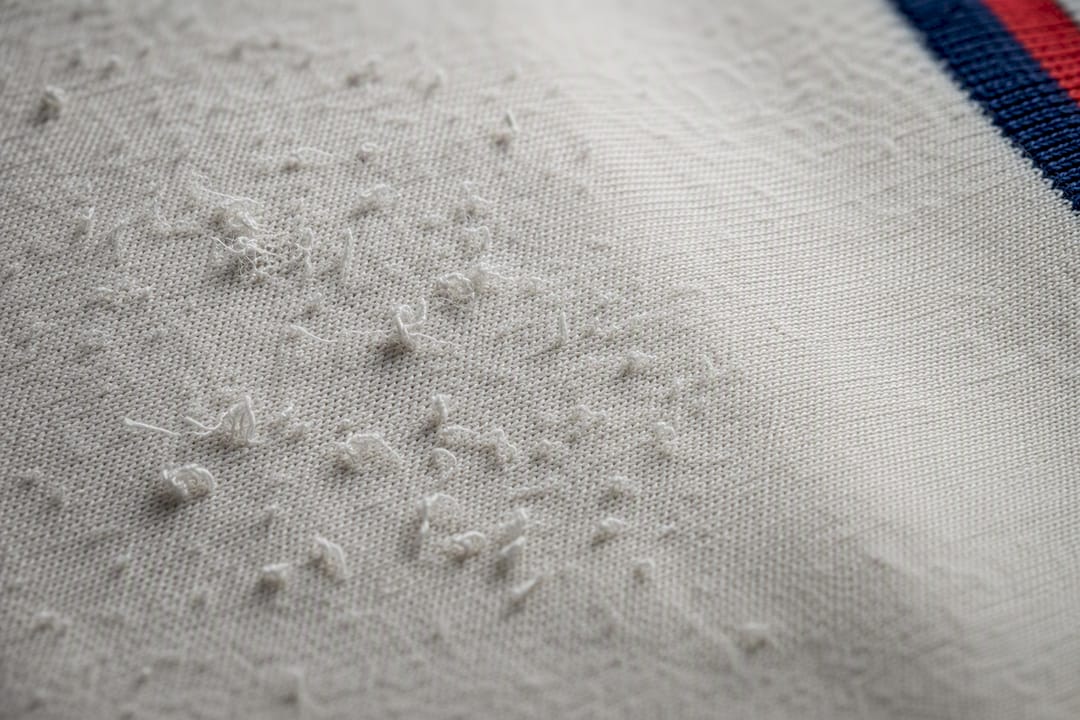
Ringspun and carded cotton both shrink, typically in the 3 to 5 percent range on a first wash, but ringspun's tighter yarn structure holds its shape a bit more consistently over repeated cycles. Cold water and low heat drying preserve both the hand and the print longest, a pattern detailed in this graphic tee wash care guide. Pilling starts when loose fiber ends abrade against each other, so carded and open-end fabrics, with more of those loose ends to begin with, tend to pill sooner. Retail buyers expect years of wear from a shirt; promo buyers usually just need it to survive the event and a few washes after.
What a Maker Actually Checks Before Production
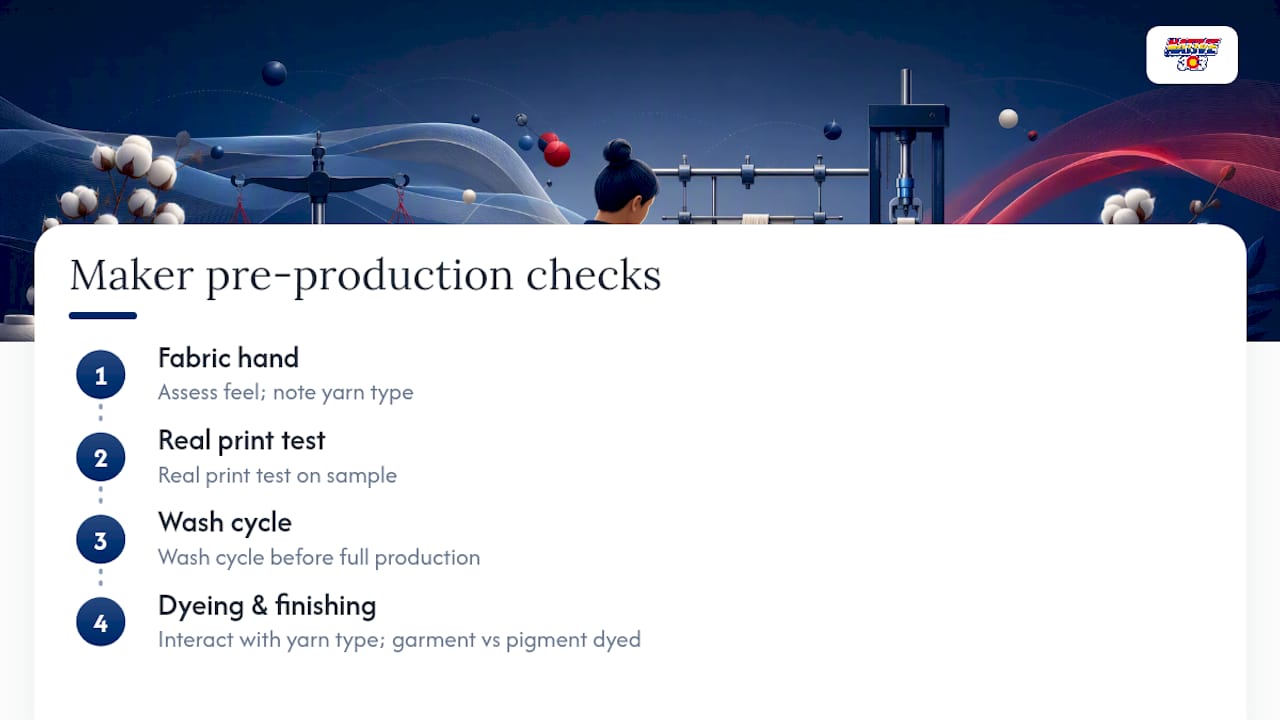
Rob, who writes Native303apparel's maker guides, builds every sample request around the same short list: fabric hand, a real print test, and a wash cycle before anything goes into full production. Dyeing and finishing choices interact with yarn type too, which is why garment dyed and pigment dyed fabrics can feel different even on the same base cotton.
Which Fabric Native303apparel Uses, and Why
The brand leans on ringspun and combed ringspun for retail tees and hoodies, and reaches for heavier carded cotton on select vintage-style pieces where texture is the point. Want a sample before a custom run? Reach out and ask.
— Rob
Get Your Hands on the Fabric Before You Commit
The collection follows the recommended approach: retail lines in ringspun and combed ringspun cotton for the softest hand and sharpest prints, with heavier carded options where a rougher, vintage texture is the goal. You don't have to guess which category fits your project.

Every nostalgia-inspired design in the Native303apparel shop is built on the fabric choice that actually matches its use, not whichever blank was cheapest that week. If you're ordering for yourself or a small batch for a group, check the size guide first since fit runs differently between the heavier carded pieces and the lighter ringspun tees. Custom requests and sample orders may be available. If you want to feel the difference between a ringspun crew and a carded workwear tee before buying, ask for a sample before ordering a batch, which is a recommended practice.
Sources
- Cotton Incorporated — Cotton Spun Yarns for Knit and Woven Fabrics (technical PDF)
- Ringspun vs Carded Cotton: What's the Difference? — CustomTeesNow
FAQ
Is 100% ringspun cotton the same as 100% cotton?
No.
Is ring-spun cotton good quality?
Yes. Ring-spun yarn is tighter, smoother, and stronger than open-end alternatives, which gives finished garments better softness, durability, and print performance. Combed ringspun raises that quality bar even further by removing short fibers before spinning.
What fabrics should you stay away from for detailed prints or long-term wear?
Avoid uncombed, low-yarn-count carded or open-end fabrics for anything with fine print detail, since the hairier surface distorts small text and gradients. They're fine for simple, bold single-color designs on a budget.
What type of cotton is considered the highest quality?
Combed ringspun cotton generally sits at the top for retail apparel, combining the strength and smoothness of ring spinning with the extra fiber refinement that combing adds.