
Here are the 10 must-do cultural experiences along Colorado's Front Range. Use this as your starting point, then dig deeper by district, season, and appetite.
- Meow Wolf Convergence Station (Denver) — 2–3 hrs. A sprawling, multi-story immersive art universe with evening adult programming. Book timed tickets online; weekday mornings are least crowded.
- Celestia at Saint John's Cathedral (Denver) — 1.5 hrs. Seated projection and live music inside a Gothic cathedral. Reserve online; walk-ins rarely get in.
- History Colorado network (statewide) — 2–4 hrs per site. Foundational heritage museums anchoring the state's story from Indigenous history to the gold rush. Denver's flagship is the easiest entry point.
- Denver Art Museum (Denver) — 2–4 hrs. One of the largest art museums between Chicago and Los Angeles, with a standout Native American collection. Free on certain Sundays.
- Clyfford Still Museum (Denver, Golden Triangle) — 1–2 hrs. Ninety-four percent of Still's lifetime output in one building. Quiet, focused, and genuinely surprising.
- Red Rocks Park & Amphitheatre (Morrison) — 2–5 hrs. A concert venue carved into 300-million-year-old sandstone. Check the seasonal concert calendar and buy tickets the moment they drop.
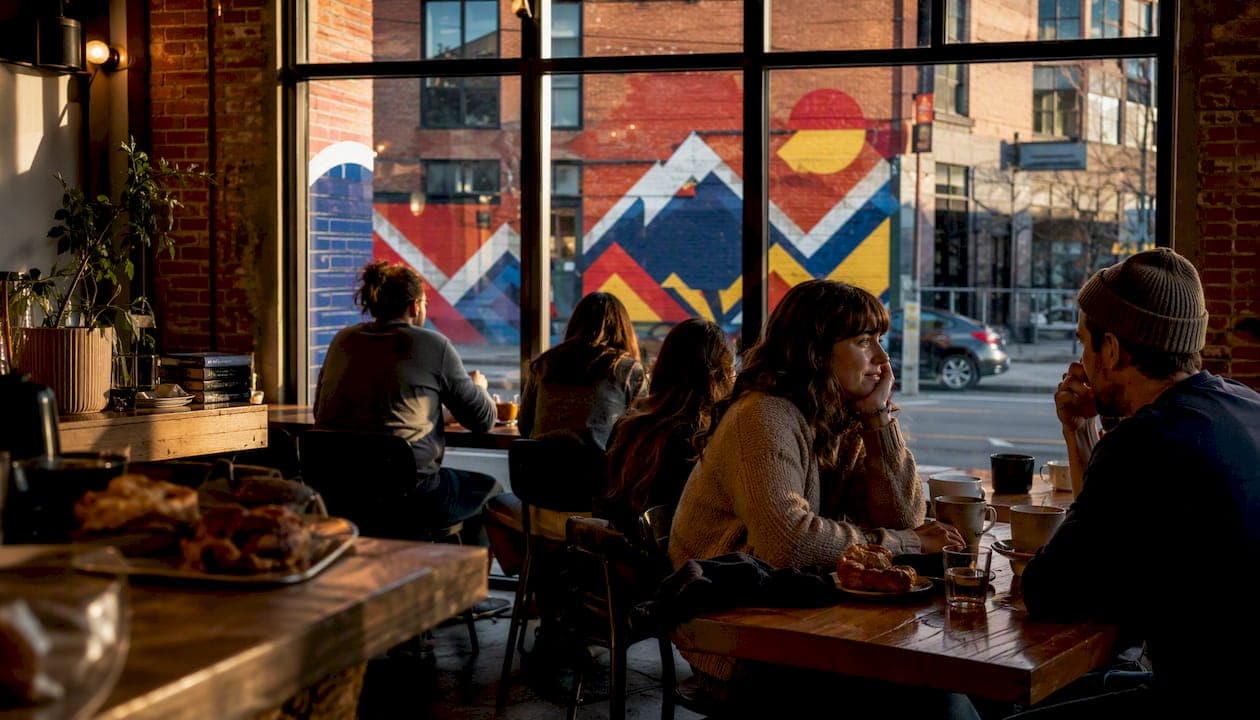
- RiNo Art District (Denver) — 2–3 hrs. Murals, galleries, and studios packed into a walkable stretch of River North. First Friday art walks run monthly.
- Art on the Streets (Colorado Springs) — 1–2 hrs. A rotating public sculpture program downtown. Use the program's interactive map; placements change seasonally.
- Colorado Springs Fine Arts Center at Colorado College — 2–3 hrs. A Pueblo Revival building housing theater, visual art, and a permanent collection. Check for combined museum-and-show tickets.
- Green Mountain Falls Skyspace (James Turrell, near Colorado Springs) — 1–2 hrs. A meditative outdoor light installation. Plan around sunrise or sunset for the full effect; a short hike is required.
Key Takeaways
The Front Range's cultural depth rewards planning around events, not just landmarks — one full day per city, tickets booked in advance, and at least one small-town gallery stop per trip.
| Point | Details |
|---|---|
| Book immersive shows early | Meow Wolf, Celestia, and Red Rocks sell out; secure tickets before your trip dates are set. |
| One city per day minimum | Denver to Colorado Springs is 1.5+ hours; over-scheduling across cities means skimming both. |
| Follow local newsletters | City-specific outlets surface gallery openings and pop-ups that tourism aggregators miss entirely. |
| Mix anchors with small galleries | Heritage organizations recommend pairing major museums with locally owned studios to meet artists directly. |
| Native303apparel | Denver-inspired apparel and accessories let you carry Front Range neighborhood culture home. |
Table of Contents
- Which Denver neighborhoods give you the richest cultural experience?
- What makes small-town Front Range culture worth the detour?
- What seasonal festivals and events should you plan around?
- How do you turn a visit into real cultural participation?
- How should you plan logistics across the Front Range?
- What do sample Front Range itineraries actually look like?
- Where does food fit into Front Range culture?
- What Indigenous and Native American cultural experiences exist on the Front Range?
- Which performing arts venues are worth your time?
- What outdoor cultural experiences connect art and landscape?
- The Front Range rewards the unhurried visitor
- Wear the Front Range home with Native303apparel
- Useful resources for planning your Front Range cultural visits
- Sources
Which Denver neighborhoods give you the richest cultural experience?
Denver's cultural weight is spread across four distinct districts, each with a different personality.
RiNo (River North Art District) is the most visually dense. Murals cover entire building faces, and the galleries inside range from emerging local painters to nationally recognized printmakers. First Friday art walks draw crowds, so arrive by 6 PM if you want to talk to the artists rather than navigate around them.
LoDo (Lower Downtown) trades murals for history. The 16th Street Mall, Union Station, and Larimer Square sit within walking distance of each other. The architecture alone tells a story spanning from the 1880s through the present.
The Golden Triangle is Denver's museum row. The Denver Art Museum, Clyfford Still Museum, and History Colorado Center cluster within a few blocks. A single afternoon covers all three if you move with purpose, though each rewards a longer visit.
In Colorado Springs, the Knob Hill Urban Arts District and Old Colorado City offer a smaller-scale version of RiNo's energy, with independent galleries and working studios. Manitou Springs, a Certified Creative District, adds hot springs, Victorian architecture, and a year-round gallery scene to the mix.
What makes small-town Front Range culture worth the detour?
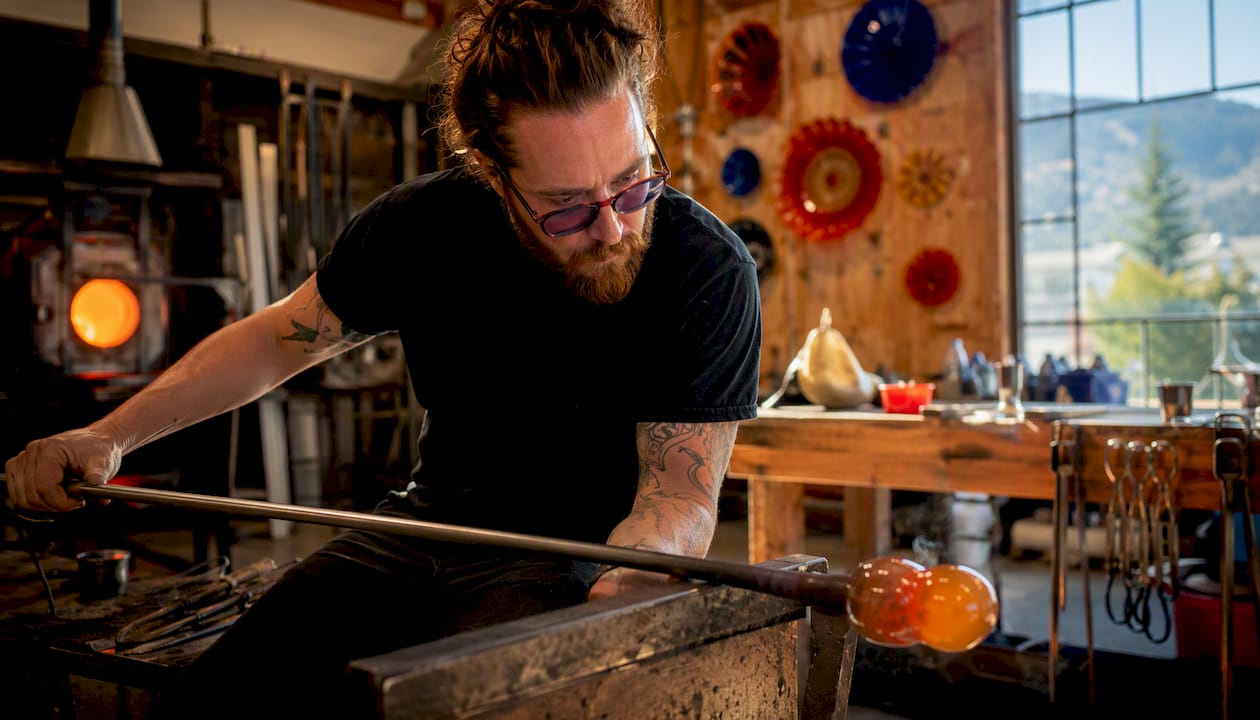
The Cache la Poudre River National Heritage Area makes the case plainly: mixing small-town gallery visits with regional events is how you access authentic local culture that major tourism aggregators miss entirely. That's not a platitude. In Fort Collins, galleries like the Lincoln Center and the local First Friday circuit put you directly in front of working artists. In Old Colorado City, the studios along Colorado Avenue are often open-door, meaning you can watch a glassblower or ceramicist mid-process. Manitou Springs takes it further with a permanent community of makers whose work reflects the landscape rather than a trend cycle.
What seasonal festivals and events should you plan around?
Red Rocks concerts run May through October, with the heaviest programming in June, July, and August. Tickets for headliner shows sell out within hours of release, so set calendar alerts.
The Front Range Wine Festival is a ticketed summer event featuring Colorado wineries. The 2026 edition lists admission in the $55–$135 range depending on tier. It's a genuine showcase of the state's growing wine culture, not a generic festival with a Colorado label slapped on it.
First Friday art walks happen monthly across Denver, Boulder, Fort Collins, and Colorado Springs. Boulder's First Friday has expanded citywide, making it one of the most accessible free cultural events on the Front Range.
How do you turn a visit into real cultural participation?
Show up to a workshop, not just an exhibit. Most major museums and many RiNo galleries run hands-on sessions, from printmaking to ceramics, that cost $30–$80 and last two hours. You leave with something made, not just photographed.
Volunteer opportunities exist at History Colorado, Red Rocks events, and local heritage organizations. A single volunteer shift at a festival gets you backstage access that no ticket can buy.
For ongoing discovery, subscribe to city-specific newsletters. No single tourism website tracks every gallery opening or pop-up performance. Local outlets like Boulder Reporting Lab surface programming that Visit Colorado never will.
How should you plan logistics across the Front Range?
Denver to Colorado Springs runs at least 1.5 hours without traffic. Plan one full day per city rather than trying to hit both in a single push. Denver to Fort Collins is a similar drive north.
Ticketing: Meow Wolf, Celestia, and Red Rocks all require advance purchase. History Colorado and the Denver Art Museum offer walk-in availability most days, though timed entry applies for special exhibitions.
Cost range: Free (RiNo mural walks, Art on the Streets) to $40+ (Meow Wolf general admission). Celestia tickets vary by show tier. The Golden Triangle museums run $10–$20 for standard admission.
Accessibility: Denver Art Museum and History Colorado have full ADA access. Green Mountain Falls Skyspace requires a short trail walk. Celestia is fully seated. Call ahead for specific accommodation needs at smaller venues.
Best seasons: Late May through September for outdoor experiences and festivals. Winter brings fewer crowds to indoor museums and often discounted admission.
What do sample Front Range itineraries actually look like?
Day 1 — Denver immersive and museum core: Morning at the Denver Art Museum (Golden Triangle), lunch in LoDo, afternoon at Meow Wolf Convergence Station, evening Celestia show (book both in advance).
Day 2 — RiNo and neighborhood culture: First Friday art walk in RiNo, studio visits, dinner at a RiNo restaurant, optional Clyfford Still Museum in the afternoon.
Day 3 — Colorado Springs: Colorado Springs Fine Arts Center in the morning, Art on the Streets walking tour midday, Green Mountain Falls Skyspace at sunset, Manitou Springs galleries on the return.
Day 4 — Northern Colorado: Fort Collins Lincoln Center and First Friday circuit, Cache la Poudre heritage sites, small-town gallery stops per the summer art guide.
Where does food fit into Front Range culture?
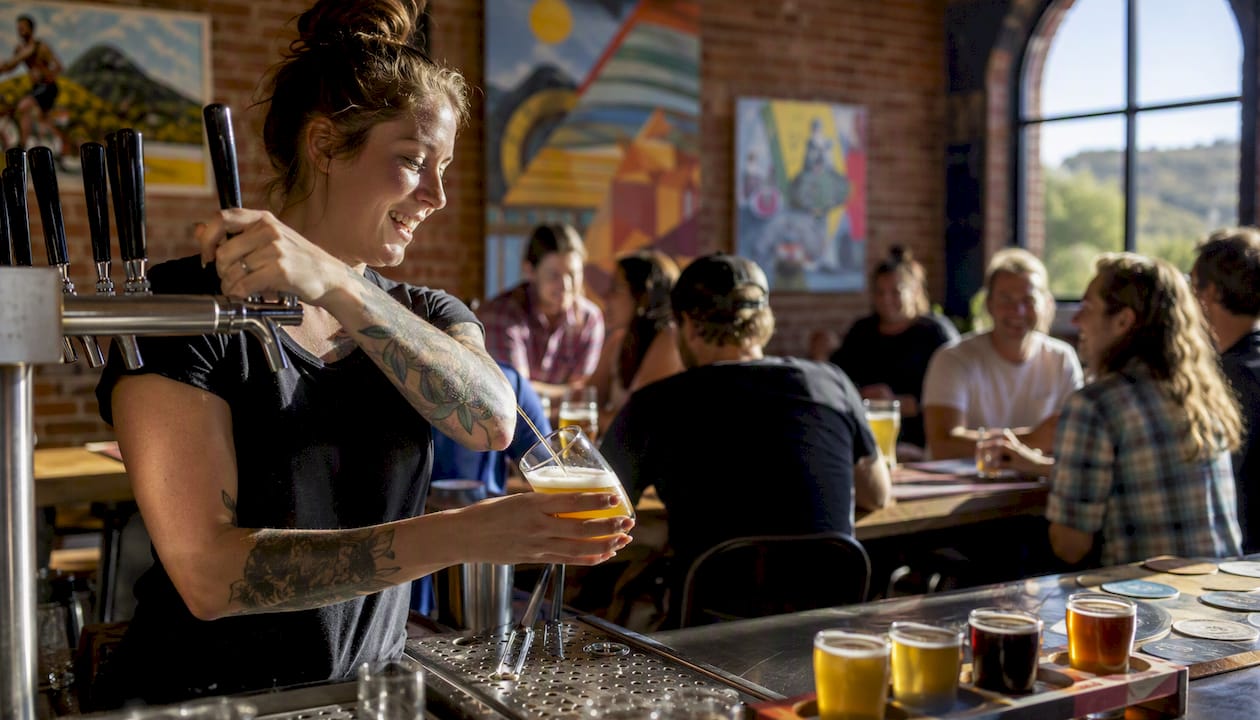
Denver's food scene is inseparable from its neighborhood identity. Restaurants in RiNo and LoHi source from Colorado farms and rotate menus seasonally. The city has a genuine craft brewery culture, with more than 100 breweries in the metro area, many of which double as community gathering spaces with live music and local art on the walls.
Colorado Springs has a quieter but growing farm-to-table scene anchored around Old Colorado City. The Pikes Peak region's food festivals, including the Colorado Springs Food & Wine Festival, run in summer and fall.
Fort Collins is a college town with a serious brewing tradition. New Belgium Brewing's campus functions almost as a cultural venue, hosting concerts and community events alongside tours.
What Indigenous and Native American cultural experiences exist on the Front Range?
The Denver Art Museum holds one of the most significant Native American art collections in the country, spanning more than 18,000 objects. The collection covers nations from across the continent, not just the Great Plains, and the curatorial approach has shifted meaningfully toward Indigenous-led interpretation.
History Colorado's programming regularly includes Indigenous history exhibits and community-led events tied to Colorado's pre-statehood past. The Ute, Arapaho, and Cheyenne nations all have deep historical ties to Front Range land, and the museum addresses that directly rather than treating it as a footnote.
For living cultural events, the Denver March Powwow, held annually at the Denver Coliseum, is one of the largest powwows in the country and is open to the public.
Which performing arts venues are worth your time?
The Denver Center for the Performing Arts (DCPA) is the largest non-profit theater organization in the country outside New York. Its complex in downtown Denver runs Broadway touring productions alongside original works from its own theater company.
Colorado Ballet performs at Ellie Caulkins Opera House, which also hosts Opera Colorado. Both companies run September through May seasons with a mix of classical and contemporary programming.
The Colorado Symphony performs at Boettcher Concert Hall, a theater-in-the-round design that puts every seat within 85 feet of the stage. Summer programming moves outdoors to Red Rocks and City Park.
In Colorado Springs, the Pikes Peak Center for the Performing Arts hosts touring Broadway shows, symphony performances, and comedy acts year-round.
What outdoor cultural experiences connect art and landscape?
Red Rocks is the obvious answer, but it's worth naming what makes it unusual: the geological formations are the venue, not just the backdrop. Attending a concert there is a genuinely different experience from any indoor hall.
The Benson Sculpture Garden in Loveland holds more than 150 outdoor sculptures along a mile-long path beside a lake. Loveland itself has a reputation as Colorado's sculpture capital, with public art integrated throughout the downtown.
Green Mountain Falls Skyspace by James Turrell uses the sky itself as the medium. The aperture in the roof frames the changing light in a way that shifts your perception of color over 20–30 minutes. It's one of the few Turrell installations in Colorado and worth the short hike.
The Colorado Trail and several Front Range hiking corridors pass through land with documented Indigenous cultural sites, petroglyphs, and historic mining infrastructure. The Colorado.com heritage resources page lists guided cultural hike options by region.
The Front Range rewards the unhurried visitor
The single most useful thing you can do before any Front Range cultural trip is check the event calendar for the specific week you're visiting, then build your itinerary around what's actually happening rather than what's always there. A Celestia show on a Tuesday night changes your whole Wednesday morning. A First Friday in RiNo is a different experience than a Wednesday afternoon.
Prioritize one neighborhood per day. The Golden Triangle alone can fill a morning and afternoon without feeling rushed. Add a second district and you're skimming; add a third and you're just checking boxes.
Pro Tip: Subscribe to at least one city-specific culture newsletter before you go. Boulder Reporting Lab, Westword's event listings, and the Colorado Springs Independent each surface programming that no aggregator catches. Set it up a week before your trip so the first issue arrives with context you can actually use.
The best Front Range cultural experiences tend to be event-dependent. A museum is always there; a live choir performance inside Celestia, a specific artist's studio open during a gallery walk, a powwow weekend at the Denver Coliseum — those have dates. Follow the local listings, and the Front Range reveals itself differently every visit.
Wear the Front Range home with Native303apparel
After a week moving through RiNo murals, Golden Triangle museums, and Manitou Springs studios, the instinct to bring something tangible home makes sense. Native303apparel designs apparel around exactly that impulse: Denver neighborhood culture, historic local venues, and the visual identity of Colorado's most iconic spots, printed on t-shirts, hoodies, and tote bags built to last past the trip.
The designs draw directly from Denver's art scene and the streetwear influences that shape the city's style. If you want to understand how that translation works, the Denver art and clothing design connection is worth a read before you shop.
Browse the full collection at Native303apparel and find something that fits the neighborhood you liked best.
Useful resources for planning your Front Range cultural visits
- Meow Wolf Convergence Station — ticketing and hours: Book timed entry and check evening adult programming schedules here.
- Celestia: The Experience — tickets: Reserve seats online; walk-in availability is rare for popular show dates.
- Visit Colorado Springs arts itinerary: Day-by-day guide covering the Fine Arts Center, Knob Hill, Art on the Streets, and Green Mountain Falls Skyspace.
- Cache la Poudre Summer Art Guide: Northern Colorado gallery recommendations and heritage event listings for summer visits.
- Boulder Reporting Lab — First Friday and weekly arts listings: Subscribe for the most current Boulder arts programming, including citywide First Friday expansion coverage.
- Colorado: Official Colorado tourism hub for museum listings, cultural itineraries, and regional event calendars.
- Native303apparel blog — wearable local art: Context on how Denver neighborhood culture translates into apparel design, useful for readers interested in culture-inspired souvenirs.
Sources
- Meow Wolf | Convergence Station — Denver visit
- Celestia: The Experience
- Itinerary: Exploring Arts & Culture in Colorado Springs - Visit Colorado Springs
- Summer Art Guide Along the Cache NHA | Cache la Poudre River National Heritage Area
- Boulder's First Friday art walks are going citywide + 41 things to do
- Colorado