
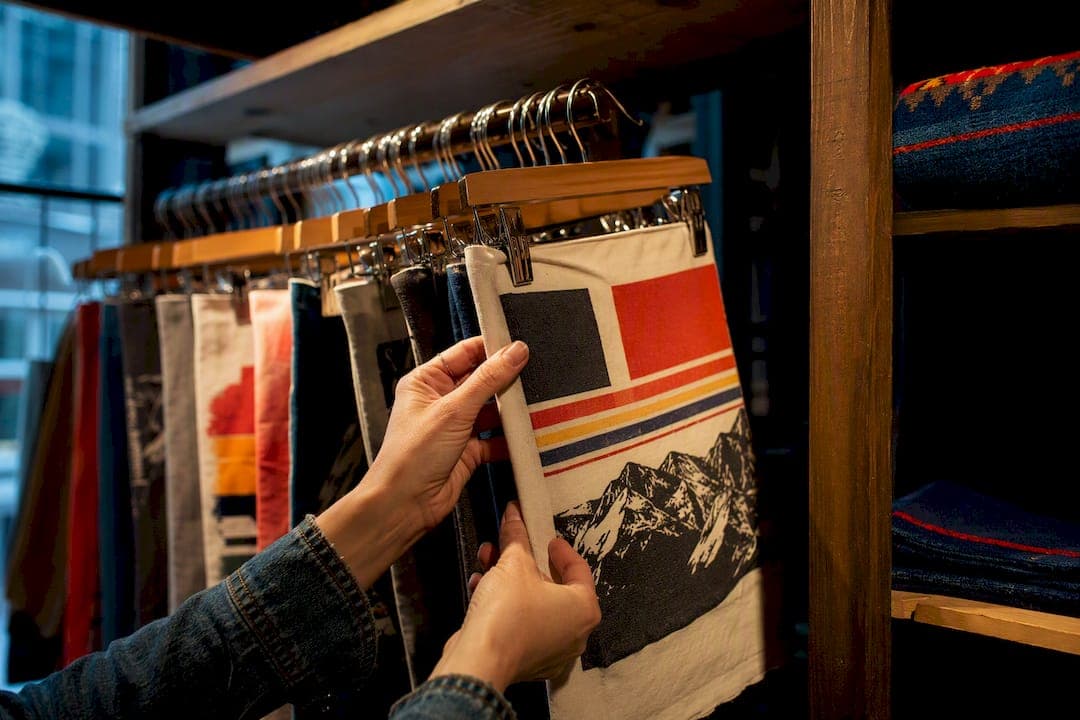
If you are looking for closed Denver restaurants apparel; the fastest route is direct-to-consumer shops like Native303, local Denver sellers and pop-up markets, and custom design requests built around a specific venue you remember. Before buying, check stock and lead times, and if you plan to resell anything, run a quick U.S. trademark check first.
TL;DR:
- Most nostalgia apparel is available through local Denver markets or direct-to-consumer shops, but verify stock and lead times before purchasing.
- Authentic designs include venue-specific details, era-appropriate cues, and explanations, while vague descriptions or logo copies may indicate copyright issues.
- Using trademarks or logos without permission risks legal exposure, especially when selling commercially; check registration and brand policies beforehand.
- For best quality and fit, order a size up if washing in warm water, and always wash printed garments inside out in cold water to preserve print durability.
- Wearing Denver-specific nostalgia clothing fosters shared community identity, making it more meaningful than generic city graphics.
Table of Contents
- Where to find Denver restaurant nostalgia apparel right now
- How to judge a design: authenticity, nostalgia value, and what to avoid
- Copyright and trademark: a simple U.S. checklist for buyers and small sellers
- Sizing, materials, and care so your nostalgia apparel looks great for years
- Why Denver nostalgia apparel matters locally
- Native303: direct shop and custom design requests
- Primary sources and places to verify IP and heritage claims
- Sources
- FAQ
Where to find Denver restaurant nostalgia apparel right now
Buying wearable memorials of shuttered Denver eateries usually comes down to three channels, and each works a little differently.
This shop sells ready-made designs celebrating closed eateries, clubs, and shops, and also takes custom requests when a shopper wants a specific venue rendered a certain way. Browsing the current collection is the quickest way to see what already exists before requesting something new.
Denver-area specialty sellers and neighborhood markets, including craft fairs in areas like Wash Park or the Highlands, sometimes carry small runs of locally themed apparel. These are worth checking in person because inventory turns over fast and rarely gets listed online in full.
Marketplaces built for handmade and small-batch goods are another option, but listings vary widely in quality. When shopping a marketplace listing, run through this quick check:
- Look at seller reviews for mentions of print quality, sizing accuracy, or shipping delays.
- Study the actual product photos, not just the mockup image, since real photos reveal fabric weight and print texture.
- Read the return policy before ordering, especially for custom or made-to-order items that may not be returnable.
Whichever channel you use, ask about current lead time before you commit, since small print shops often batch orders and a "ready to ship" tag does not always mean same-week delivery.
How to judge a design: authenticity, nostalgia value, and what to avoid
A shirt that just says "Denver" in a retro font is not the same as one that captures a specific closed restaurant. For someone who actually ate at the place, venue-specific cues, the actual name, a signature interior detail, a neighborhood reference, carry far more weight than generic city pride graphics. That specificity is what separates a design that means something from one that is just decoration.
Here is a simple way to evaluate whether a design feels authentic:
- Check whether the seller includes any design notes explaining the inspiration behind the piece.
- Look for era-appropriate cues such as period-correct fonts, color palettes, or references to the neighborhood the venue occupied.
- Search for customer photos showing the item worn or displayed, since real photos reveal print quality that mockups hide.
- Compare the design's details against what you remember of the actual signage or interior, if you visited the place yourself.
Red flags are just as important to spot. Watch for listings using an exact copy of a restaurant's original logo without any indication of permission, and be wary of vague product descriptions that avoid naming the actual venue while implying an official connection. A design described plainly as an "original interpretation" inspired by a closed spot is a better sign than one that looks like a direct logo lift.
Pro Tip: If a listing does not name the actual restaurant anywhere in its description, treat that as a sign the seller may be avoiding a trademark issue rather than protecting your experience.
Copyright and trademark: a simple U.S. checklist for buyers and small sellers
Wearing a shirt you had made for yourself, once, as a personal keepsake, is a different matter than a seller mass-producing and selling items that reproduce someone else's protected name or logo without permission. The first is generally low risk. The second is where most legal exposure lives, and it falls on the seller more than the buyer.
If you are a small seller or a customer commissioning a piece meant for resale, a few checks reduce risk considerably:
- Search the mark you're considering through the USPTO trademark search to see if it's federally registered.
- Check whether the original brand owner has published copyright or trademark notices on its own site, since many companies spell out exactly what is off limits.
- Favor original interpretations, your own rendering of a memory or a mood, rather than exact reproductions of a logo or wordmark.
Some brand owners explicitly permit personal, non-commercial fan creations while prohibiting sales at scale, a distinction laid out in policies like Innersloth's fan creation guidelines. Other companies, such as Chuck E. Cheese, publish pages describing exactly which names, characters, and artwork are protected and how they may not be used commercially without permission. If you're selling commercially rather than just wearing something yourself, a quick conversation with a lawyer familiar with trademark law is worth the cost before you print a run.
Sizing, materials, and care so your nostalgia apparel looks great for years
A great design printed on a shirt that shrinks two sizes after one wash is a wasted purchase. Cotton tees run true to size but can shrink slightly in the wash, so many buyers order a size up if they plan to wash in warm water. Cotton and polyester blends resist shrinking better and tend to hold a print's sharpness longer, while heavier vintage-weight fabrics feel more substantial and drape less like a basic tee.
A few habits protect both the fit and the print:
- Check a size guide before ordering, especially for hoodies and sweatshirts where cut varies by brand.
- Wash printed apparel inside out in cold water and skip the dryer's high heat setting to protect screen-printed or specialty inks.
- Ask about exchanges before ordering if you're unsure between two sizes, since a quick message can save a return shipment later.
Native303's size guide is a useful reference before ordering online, and gift-minded buyers can ask about packaging when placing an order for a birthday or holiday.
Pro Tip: If you're buying for someone older who prefers a looser, non-clingy fit, size up and choose a cotton-blend fabric over a tight vintage cut.

Why Denver nostalgia apparel matters locally

Denver has lost a long list of beloved spots over the decades, and a shirt naming one of them does something a generic city graphic never will: it signals shared history. Two strangers wearing the same closed-restaurant design have almost certainly lived through the same era of this city, and that recognition starts conversations in a way generic Denver merch rarely does.
That is the idea behind every piece we design at Native303, original artwork built around specific memories, not stock nostalgia. If there's a closed venue that shaped your Denver, we want to hear about it through a custom request.
— Rob
Native303: direct shop and custom design requests
Buying local means the person designing your shirt actually understands why a particular Denver spot mattered, and that's the whole premise behind Native303's shop. Every piece starts from an original design rather than a copied logo, which keeps the focus on the memory itself rather than a legal gray area.
The current lineup includes:
- Tees, sweatshirts, and hoodies for everyday wear
- Tote bags and can coolers for errands or a day at the ballpark
- Hats for year-round wear
- Frosted pint glasses for a home bar tribute
If nothing in the collection matches the exact spot you remember, the custom design service lets you describe the venue, the era, and any specific details you want included, and the team builds an original piece from there rather than tracing an old logo. Browse the current collection or submit a design request to start a piece built around your own Denver memory.
Primary sources and places to verify IP and heritage claims
Before buying or commissioning anything commercially, run the mark through the USPTO trademark search to check federal registration status. For an example of how preservation groups document a venue's actual history, see the National Trust's writeup of the Buckhorn Exchange, a useful model for keeping closed-versus-operating status accurate.
Sources
- USPTO trademark search
- Chuck E. Cheese — Copyright & trademarks
- The Buckhorn Exchange in Denver, Colorado | National Trust for Historic Preservation
- Innersloth — Fan creation policy
FAQ
Is it legal to buy nostalgia apparel about a closed restaurant?
Buying and wearing a shirt for personal use is generally low risk, since the legal concerns mostly apply to sellers producing items for resale. If you're commissioning a design meant to be sold commercially, checking the USPTO trademark search first is a smart step.
How do I know if a Denver restaurant is actually closed?
Cross-check the venue against a primary source such as a historic-preservation writeup or the business's own site rather than relying on memory alone, since some spots change ownership or relocate instead of closing outright. The Buckhorn Exchange's documented history is a good example of how preservation groups track a venue's actual status.
How long does a custom design request take?
Lead times vary by design complexity and current order volume, so it's best to ask directly when submitting a request. Native303's design request page is where to start that conversation and get a current estimate.
What should I check before ordering from a small or independent seller?
Look at seller reviews mentioning print quality and sizing accuracy, study actual product photos rather than mockups, and read the return policy before you order. These same checks apply whether you're buying from a marketplace listing or a local pop-up market seller.
How can I tell if a design is an original interpretation or a copied logo?
Original interpretations usually include design notes, era-appropriate color and font choices, and details that evoke a venue without directly copying its exact logo or wordmark. A listing that avoids naming the actual restaurant while hinting at an official connection is a sign worth treating with caution.