

An independent streetwear brand is a label where the original creators retain full control over design, production, and messaging, forging a direct and authentic connection with their community. This definition separates true indie labels from corporate-owned streetwear lines that carry the aesthetic but not the soul. Understanding what is an independent streetwear brand means recognizing that independence is a philosophy, not just a business structure. Brands like Native303apparel embody this by building collections around a specific cultural worldview rather than chasing seasonal trends. The result is clothing that carries meaning, and a community that feels the difference.
What key characteristics define independent streetwear brands?
Independent streetwear brands share a set of defining traits that set them apart from the moment you encounter them. These are not accidental qualities. They reflect deliberate choices made by founders who prioritize creative integrity over commercial shortcuts.
The core characteristics include:
- Founder-led decision making. The person who created the brand controls design, production, and messaging. There is no committee diluting the vision.
- Small-batch production. Independent apparel brands control quality by experimenting with small-batch and upcycled materials that mainstream brands cannot scale. Smaller runs mean higher quality and fewer compromises.
- Seasonless releases. Independent brands avoid rigid seasonal calendars, dropping products only when quality and creative vision are fully met. This builds consumer trust and product longevity.
- Direct community engagement. These brands speak to their audience through direct channels, not mass advertising. The conversation is real, not scripted.
- Intentional design. Every piece reflects a specific worldview. Nothing ships just to fill a catalog slot.
Pro Tip: When evaluating whether a brand is truly independent, look at who is speaking publicly for it. If the founder is visible and vocal, that is a strong signal of genuine independence.
Independent streetwear also rejects the idea that clothing is purely transactional. The design philosophy centers on storytelling, cultural reference, and a consistent aesthetic identity. Brands rooted in a specific city, subculture, or personal history carry that context into every release. That specificity is what makes unique apparel designs feel personal rather than generic.
How do independent streetwear brands differ from mainstream labels?
The difference between an independent streetwear brand and a mainstream label runs deeper than budget or distribution. It comes down to who holds power and what they do with it.
Ownership and creative control
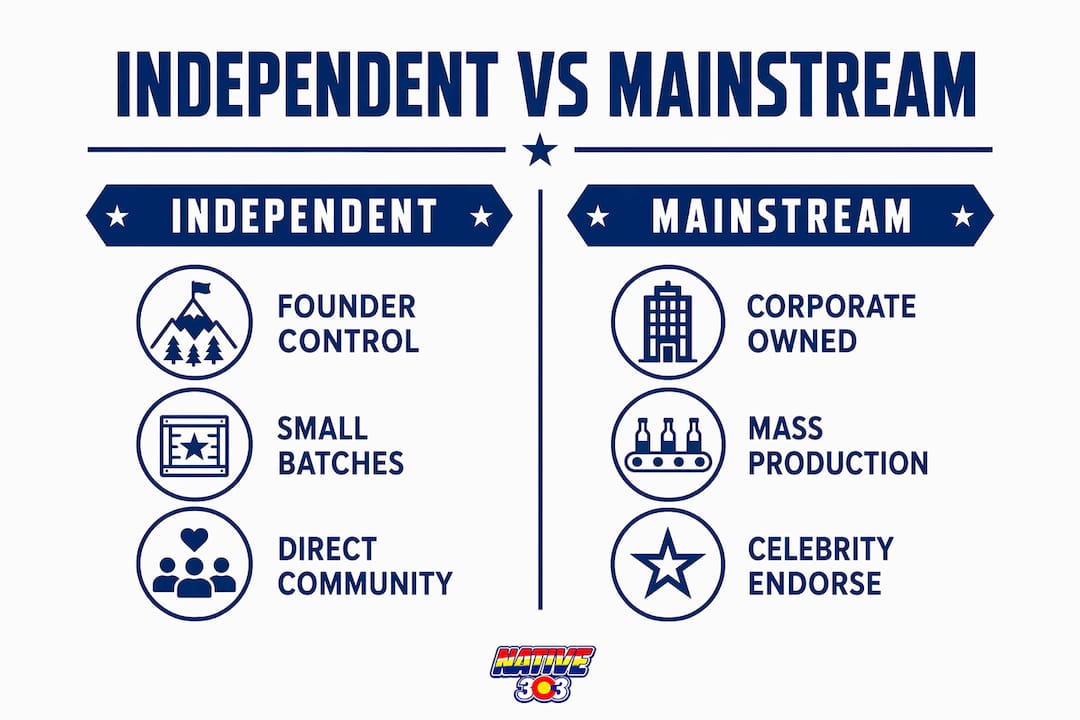
Mainstream streetwear labels are often owned by holding companies or publicly traded corporations. Decisions pass through layers of approval. Independent brands have one or two founders making every call. That speed and clarity shows up in the product.
Marketing and communication style
Corporate labels spend heavily on celebrity endorsements and paid media. Independent brands rely on direct communication, pop-ups, and community word of mouth. Independent brands prioritize community engagement and controlled release rhythms over mass-market marketing. The result is a tighter, more loyal audience.
Production scale and risk tolerance
| Feature | Independent brands | Mainstream labels |
|---|---|---|
| Production runs | Small batch, limited | Large scale, mass market |
| Creative risk | High, founder-driven | Low, committee-approved |
| Release cadence | Seasonless, readiness-based | Fixed seasonal calendar |
| Community connection | Direct and personal | Broad and demographic |
| Marketing spend | Minimal, organic | High, paid media |
Independent brands have tighter budgets and smaller production runs, but that constraint creates creative freedom. Mainstream labels scale by reducing risk, which means reducing originality.
The "zombie brand" problem
When a founder leaves a mainstream label, the brand often continues financially but dies culturally. These are called "zombie brands": they keep operating but lose the cultural relevance that made them matter. Authenticity travels with the founder, not the trademark. This is the clearest argument for why founder control is not just a preference but a structural necessity for cultural longevity.
Why is independence valuable in today's streetwear culture?
The streetwear market has shifted. Consumers who once chased limited drops and hype releases are now looking for something more durable. Consumers in 2026 prefer consistency and storytelling from streetwear brands rather than flashy, fleeting hype drops. That shift directly benefits independent labels.
"The strongest independent brands blend creative discipline with a personal worldview to build identity rather than short-term hype. Brand success in 2026 reflects a shift towards meaningful connection, creative discipline, and stability over hype and rapid turnover."
This is not a minor trend. It represents a fundamental change in what fashion enthusiasts value. The reasons are clear:
- Hype weariness is real. Consumers have grown tired of artificial scarcity and manufactured urgency.
- Storytelling builds loyalty. A brand with a clear cultural origin and consistent voice earns repeat customers.
- Community creates trust. Treating the audience as a community rather than a demographic builds lasting brand identity.
- Creative freedom produces better work. Founders unconstrained by corporate approval cycles take risks that produce genuinely original clothing.
Independent brands also serve as culture drivers. Independent brands are seen as culture drivers by building from their own perspective with purpose. That cultural weight is something no marketing budget can manufacture. It comes from genuine connection between a founder's vision and a community that recognizes itself in the work.
The exclusive streetwear aesthetics that collectors prize most are almost always tied to independent labels with a specific point of view. That specificity is the product.
How do independent streetwear brands build and maintain their identity?
Building a lasting independent streetwear brand requires more than good design. It demands a consistent framework for how the brand shows up, communicates, and releases work.
-
Maintain zero distance from the audience. Zero distance between founder and customer means the founder is visible, acts as the primary marketing channel, and makes final decisions. This keeps the brand responsive and authentic. Founders who disappear behind a corporate facade lose the connection that made their brand worth following.
-
Adopt a seasonless design framework. Releasing products on a fixed seasonal calendar forces compromises. Independent brands release when the work is ready. This approach signals confidence in the product and respect for the customer.
-
Use direct sales channels and curated retail. Pop-up events, direct-to-consumer websites, and carefully selected retail partners give independent brands control over how their products are presented. Mass retail dilutes the brand experience.
-
Build community through content, not advertising. Founders act as "prophets" of unfiltered worldviews, making brands culturally alive. Sharing the process, the inspiration, and the story behind each piece creates connection that paid ads cannot replicate.
-
Balance minimalism with distinctive storytelling. The most recognized independent streetwear brands are not the loudest. They are the most consistent. A clear visual language and a specific cultural reference point give fans something to identify with over time.
Pro Tip: If you want to start a streetwear brand with staying power, define your cultural reference point before you design a single piece. The clothing should be evidence of a worldview, not just a product.
Independent brands have shifted streetwear from hype-based marketing to minimalism, creative integrity, and seasonless designs. Emerging labels that follow this framework build audiences who buy because they believe in the brand, not because they fear missing out. That is a fundamentally more stable foundation for a clothing label.
Learning how to mix Denver tees into streetwear outfits is one practical example of how a brand with a specific cultural identity gives its audience a creative framework, not just a product.
Key Takeaways
An independent streetwear brand succeeds because founder-led control, small-batch production, and direct community engagement create authenticity that corporate labels structurally cannot replicate.
| Point | Details |
|---|---|
| Founder control is the foundation | The founder's direct involvement in design and messaging keeps the brand culturally alive and responsive. |
| Small-batch production signals quality | Limited runs allow independent brands to prioritize craftsmanship over volume. |
| Seasonless releases build trust | Dropping products only when ready signals confidence and earns long-term consumer loyalty. |
| Community beats demographics | Treating fans as a community rather than a market segment creates lasting brand identity. |
| Authenticity cannot be acquired | When founders leave, cultural relevance leaves with them, proving independence is structural, not cosmetic. |
What I've learned from watching independent streetwear brands win
The conventional wisdom says that bigger budgets and wider distribution win in fashion. My experience watching independent streetwear brands grow tells a different story.
The brands that last are the ones where the founder never stopped being the brand. Not as a marketing tactic, but as a genuine operating principle. When the person who started the label is still choosing the fabrics, writing the copy, and showing up at the pop-up, the audience feels it. That feeling is not something you can fake at scale.
What I find most telling is the zombie brand phenomenon. Plenty of streetwear labels survive their founders financially. They keep the name, keep the logo, and keep selling. But the community moves on. The clothes become costumes without context. That is the clearest proof that independence is not a stage of growth you graduate from. It is the product itself.
The future of independent streetwear belongs to founders who treat their cultural reference point as a discipline, not a mood board. Brands rooted in a specific place, memory, or community have a natural advantage. They are not trying to appeal to everyone. They are speaking directly to the people who already understand the reference. That specificity is what makes the work matter.
— Rob
Native303apparel: independent streetwear rooted in Denver's story
Native303apparel is a direct expression of what independent streetwear looks like when it is built around a real cultural foundation.
Every design draws from the memories of metro Denver's iconic eateries, clubs, and shops. The founder controls the creative direction, the production choices, and the stories behind each piece. That is not a marketing position. It is how the brand operates. Fashion enthusiasts who want clothing that carries genuine cultural weight will find it in Native303apparel's collections. Explore the full collection to see the brand's current releases, and check the size guide to find your fit. Read the brand's story to understand the worldview behind the work.
FAQ
What is an independent streetwear brand?
An independent streetwear brand is a label where the original founder retains full control over design, production, and messaging. Independence means creative and business decisions are made by the people who built the brand, not a corporate board.
What defines independent streetwear vs. mainstream labels?
Independent streetwear is defined by founder-led control, small-batch production, seasonless releases, and direct community engagement. Mainstream labels operate on fixed seasonal calendars with corporate approval structures and mass-market distribution.
Why do independent streetwear brands matter culturally?
Independent brands act as culture drivers by building from a specific founder perspective with purpose. They create genuine community connections that mass-market labels cannot replicate through advertising spend alone.
How do independent brands build a lasting identity?
Lasting identity comes from zero distance between founder and audience, a consistent cultural reference point, and seasonless design discipline. Brands that release products only when the creative vision is fully met earn deeper consumer trust over time.
What makes a streetwear brand lose its independence?
A brand loses its independence when the founder steps back from creative and operational decisions. Brands that continue without their founders often become "zombie brands," surviving financially but losing the cultural relevance that made them worth following.