
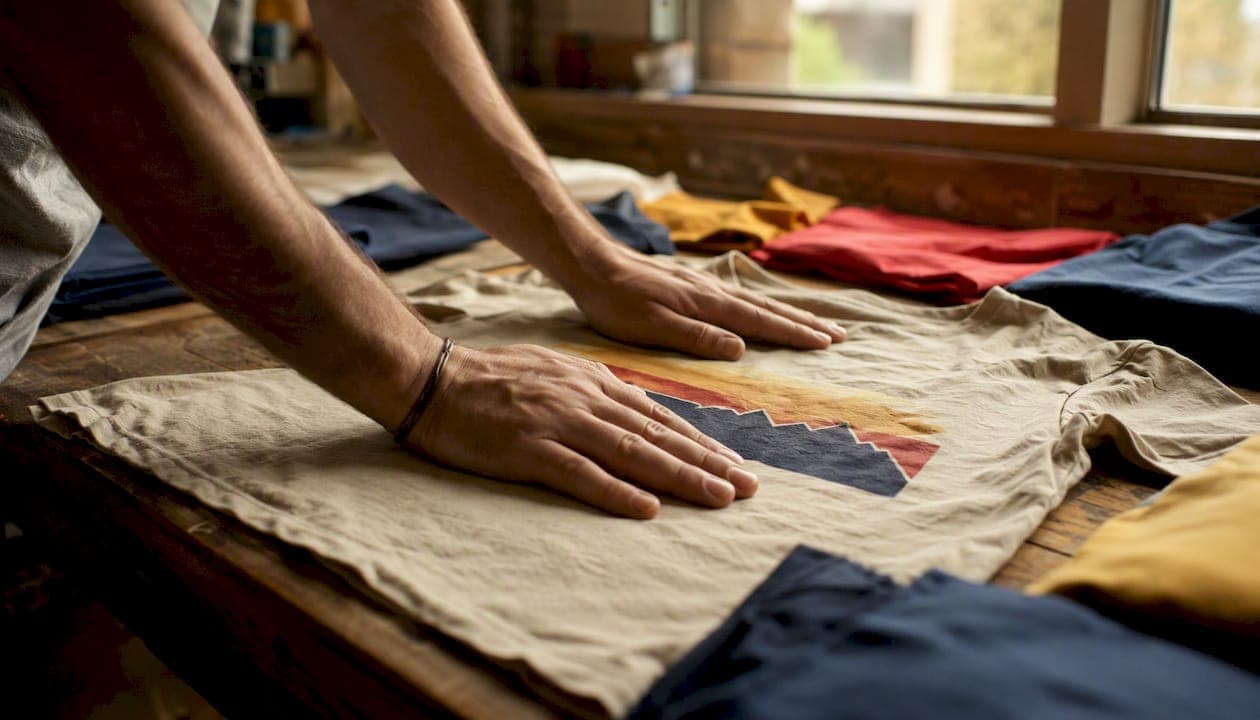
Nostalgia raises purchase intent because it triggers social connectedness and identity affirmation, two psychological states that make consumers feel closer to a brand and less resistant to buying from it. That is the core finding behind nostalgia's link to consumer behavior, and it explains why a retro sneaker drop or a throwback diner t-shirt can outsell a purely functional alternative.
- When it converts best: around temporal landmarks (anniversaries, end-of-year moments, reunions), which reliably trigger nostalgic feelings through a need-to-belong pathway.
- The main risk: generic retro styling that feels manufactured rather than tied to a real memory or place, which can flatten the effect or make a brand look opportunistic.
Key Takeaways
Nostalgia increases purchase intent primarily by strengthening social connectedness and identity affirmation, and campaigns work best when tied to specific, authentic memories rather than generic retro styling.
| Point | Details |
|---|---|
| Nostalgia lowers purchase resistance | It works through social connectedness, identity affirmation, and mood repair, not just sentiment. |
| Timing matters | Temporal landmarks like anniversaries reliably trigger nostalgia and boost engagement windows. |
| Specificity beats generic retro | Hyperlocal, real references outperform vague vintage styling and reduce backfire risk. |
| Test before scaling | Use A/B tests, brand-lift surveys, and repeat-purchase tracking to confirm real impact. |
| Native303apparel applies this directly | Its designs use real Denver landmarks and eateries instead of generic retro aesthetics. |
Table of Contents
- The Role of Nostalgia in Consumer Buying: Core Psychological Mechanisms
- When Does Nostalgic Marketing Backfire?
- Which Generations Respond Most to Nostalgic Marketing?
- Tactical Playbook: Turning Nostalgic Cues Into Purchases
- How Do You Measure Whether Nostalgia Actually Works?
- An EEAT Case Study: How Native303apparel Applies Nostalgia in Denver
- An Editorial Take on Nostalgic Marketing Done Right
- Where to Find Nostalgia-First Apparel
- Frequently Asked Questions
- Sources
The Role of Nostalgia in Consumer Buying: Core Psychological Mechanisms
Nostalgia doesn't sell products directly. It changes how a person feels and thinks in the moments before a purchase, and those shifts lower the mental friction that normally stands between browsing and buying. Five mechanisms do most of the work.
Social connectedness. Reflecting on a nostalgic memory increases feelings of being loved, supported, and able to trust others. Researchers describe nostalgia as a kind of social bridge, and that sense of connection carries directly into how consumers evaluate products tied to a shared memory.
Identity and self-concept affirmation. A product linked to your past reinforces who you believe you are. That's especially strong with heritage brands, where collective nostalgia shapes purchase intent both directly and indirectly, working through perceived quality, perceived value, and self-concept connection all at once.
Positive affect and mood repair. Nostalgia can function as a coping mechanism during stress or uncertainty. That's why nostalgic consumption tends to spike during crises, from economic downturns to public health scares.
Cognitive appraisal, or the "legacy heuristic." Consumers unconsciously treat a brand with history as more trustworthy or higher quality, even absent new evidence. This appraisal effect often runs alongside identity affirmation rather than instead of it.
Reduced price sensitivity. When someone identifies a personal link to the past, they evaluate the brand more favorably and become less sensitive to price as a result.
Picture the chain as a simple flow: a trigger (an old logo, a familiar smell, an anniversary date) leads to an internal state (belonging, identity affirmation, or mood repair), which then produces a behavioral consequence (higher purchase intent, willingness to pay more, or a repeat visit). Marketers who understand which node they're activating can design creative that hits the right pathway instead of guessing.
- Trigger → temporal landmark, retro visual, local reference
- Internal state → connectedness, identity match, or comfort
- Consequence → higher intent, price tolerance, repeat purchase
When Does Nostalgic Marketing Backfire?
Nostalgia isn't a universal lever. It works best under specific conditions, and ignoring those conditions is how campaigns end up feeling hollow instead of warm.
Do this:
- Match the nostalgic reference to your actual product category. A heritage clothing brand referencing a real local landmark lands differently than a snack brand slapping 90s fonts on a bag with no connection to the decade.
- Confirm the memory is shared by your specific audience, not just "old" in a general sense.
- Time campaigns around real temporal landmarks. Anniversaries and end-of-year moments are proven windows.
- Test authenticity with a small segment before a full rollout.
Don't do this:
- Don't lean on generic retro aesthetics with no specific story behind them. Practitioner-facing evidence consistently shows nostalgia marketing performs better when the imagery is hyperlocal and rooted in something real, rather than a stock "vintage" filter.
- Don't use nostalgic appeals for high-stakes categories where accuracy and trust outweigh sentiment, like financial products or medical devices. A backfire example: a decades-old brand relaunching a "classic" formula while quietly changing the recipe invites the exact scrutiny nostalgic marketing is supposed to avoid.
- Don't assume every customer segment has equal nostalgia proneness. Some people barely respond to sentimental cues at all.
Which Generations Respond Most to Nostalgic Marketing?
Nostalgia doesn't land the same way across age groups, and campaign design should shift with the cohort.
- Gen X and older Millennials: show the strongest emotional intensity in response to nostalgic appeals, according to a generational comparison of nostalgia marketing effectiveness.
- Younger Millennials and Gen Z: still respond to nostalgic cues, but with less emotional weight, often tied to media and pop culture rather than personal memory.
- Older adult cohorts (55+): often respond most to heritage and legacy signals tied to real institutions, local eateries, or landmarks they experienced firsthand.
Collective nostalgia (a shared cultural memory) behaves differently than individual nostalgia (a personal memory). Heritage brand campaigns tend to lean on the collective version, while individualized retargeting works better with personal nostalgia cues.
Why is Gen Z so obsessed with nostalgia? Much of it is secondhand: Gen Z consumers weren't alive for Y2K fashion or early 2000s cartoons, but algorithmic exposure through short-form video has made those eras feel personally familiar, borrowing the emotional shorthand of nostalgia without the lived memory behind it.
Tactical Playbook: Turning Nostalgic Cues Into Purchases
Once you know the mechanism you're targeting, the tactics practically write themselves.
- Legacy storytelling: tell the real history behind a product, place, or brand rather than implying age with visual style alone.
- Era-specific graphics: design elements pulled from a specific decade or period, tied to a real reference point. Era-specific graphics in apparel perform better when they're anchored to an actual place or moment.
- Limited-run revivals: bring back a discontinued product or design for a short window, which pairs nostalgia with scarcity.
- Packaging throwbacks: reintroduce old logos, color schemes, or bottle shapes for a limited campaign.
- Experiential callbacks: pop-up events, reunions, or in-store experiences that recreate a specific era or setting.
- Local institution collaborations: partner with a historic eatery, venue, or shop that shares your audience's memory bank.
- Community rituals: tie a release to an annual event or tradition your audience already recognizes.
Consider two generic examples. A regional apparel brand releases a limited run of shirts featuring an old neighborhood diner's original sign, sold only during the diner's anniversary week. Sales spike not because the shirt is well designed, but because it hits both identity affirmation (I remember this place) and cognitive appraisal (this brand respects local history). A beverage brand brings back a 1980s can design for one summer only, generating media coverage purely from the scarcity angle, without touching the actual recipe or making trust claims it can't back up.
Pro Tip: Combine identity affirmation with cognitive appraisal in the same campaign. Use a real local landmark or story (identity) alongside language that signals authenticity and quality heritage (appraisal). Campaigns activating both pathways simultaneously tend to outperform those relying on just one, particularly for heritage-positioned brands.
How Do You Measure Whether Nostalgia Actually Works?
Nostalgic creative feels right, but feeling right isn't proof. Test it the same way you'd test any other campaign variable.
- Run an A/B test with a nostalgic creative against a neutral control.
- Field a short brand-lift survey measuring feelings of belonging and warmth, not just recall.
- Track short-term sales lift in the days immediately following launch.
- Follow repeat-purchase behavior over the next one to two quarters.
- Build a longer-term loyalty cohort to see if the effect holds past the initial launch window.
Prioritize these KPIs:
- Purchase intent shift (pre/post exposure)
- Conversion rate lift versus control
- Average order value
- Price elasticity changes among the nostalgic segment
- Repeat purchase rate
- Brand warmth or NPS shift
Segment results by nostalgia proneness and cohort, since a campaign that performs well with Gen X may underperform with Gen Z. Time your test around a real temporal landmark when possible. Comparing the same creative during a random week versus an anniversary week isn't a fair test.
An EEAT Case Study: How Native303apparel Applies Nostalgia in Denver
Native303apparel builds designs around specific, real reference points: historic Denver eateries, clubs, and shops that customers actually remember, not generic "vintage" styling. That approach follows the same principle behind hyperlocal apparel specificity, which tends to build more repeat customers than broad retro themes.
- Use a real landmark, not a stock retro aesthetic.
- Test limited runs tied to a specific era or event before committing to a full product line.
- Track repeat purchases from the same customer segment to see if the nostalgic connection holds past the first sale.
The brand's approach to era-specific graphics reflects this exact logic: specificity beats vague sentiment, and a shared local memory converts better than a generic decade reference.
An Editorial Take on Nostalgic Marketing Done Right
I've spent a lot of time writing about Denver's old eateries, clubs, and the vintage tees people still keep folded in a drawer decades later, and the pattern that shows up again and again is this: the brands that win with nostalgia are specific, not sentimental in a vague way. A shirt referencing an actual shuttered diner does something a "retro-inspired" font never will.
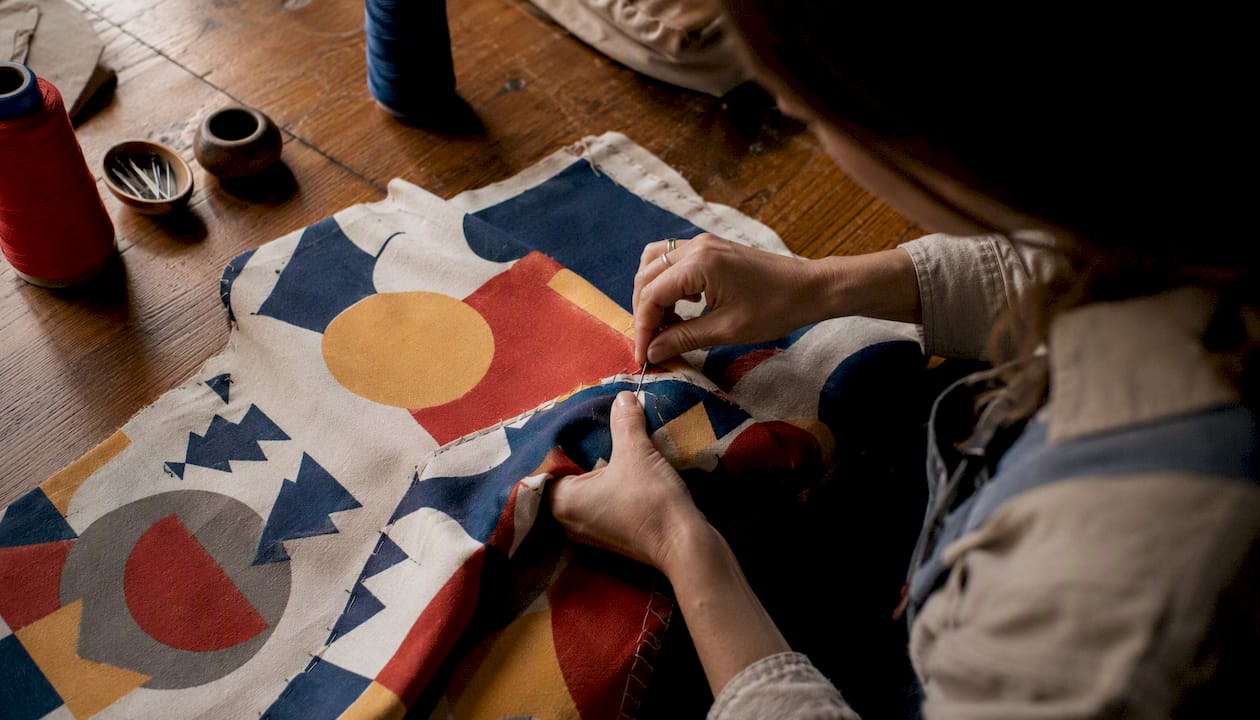
What gets missed most often is that nostalgia isn't a mood, it's a memory with a location attached. My author page has more on how that plays out in apparel specifically.
Where to Find Nostalgia-First Apparel
Native303apparel is built entirely around the specificity this article argues actually works: real Denver eateries, clubs, and shops turned into wearable design, instead of a generic decade reference with no local anchor.
If you've read this far because you want the effect, not just the theory, browse the Native303apparel storefront for current designs tied to Denver's history. Check the size guide before ordering to get the right fit on your first try.
Frequently Asked Questions
Does nostalgia really increase how much people buy? Yes. Multiple peer-reviewed studies link nostalgic cues to higher purchase intent, largely through increased social connectedness and reduced price sensitivity.
What's the biggest mistake brands make with nostalgic marketing? Using generic retro visuals with no real story behind them. Authenticity and hyperlocal specificity consistently outperform stock vintage aesthetics.
Which generation responds most strongly to nostalgia marketing? Gen X and older Millennials show the strongest emotional response, though Gen Z engages with secondhand nostalgia through media exposure rather than lived memory.
How do you test if a nostalgic campaign is working? Run an A/B test against a neutral control, measure brand-lift surveys for belonging and warmth, and track repeat purchase rates over the following quarters.
Sources
- Nostalgia and consumer behavior
- Temporal landmarks and nostalgic consumption: the role of the need to belong
- The bright side of collective nostalgia: the influence on purchase intentions of corporate heritage brand products