
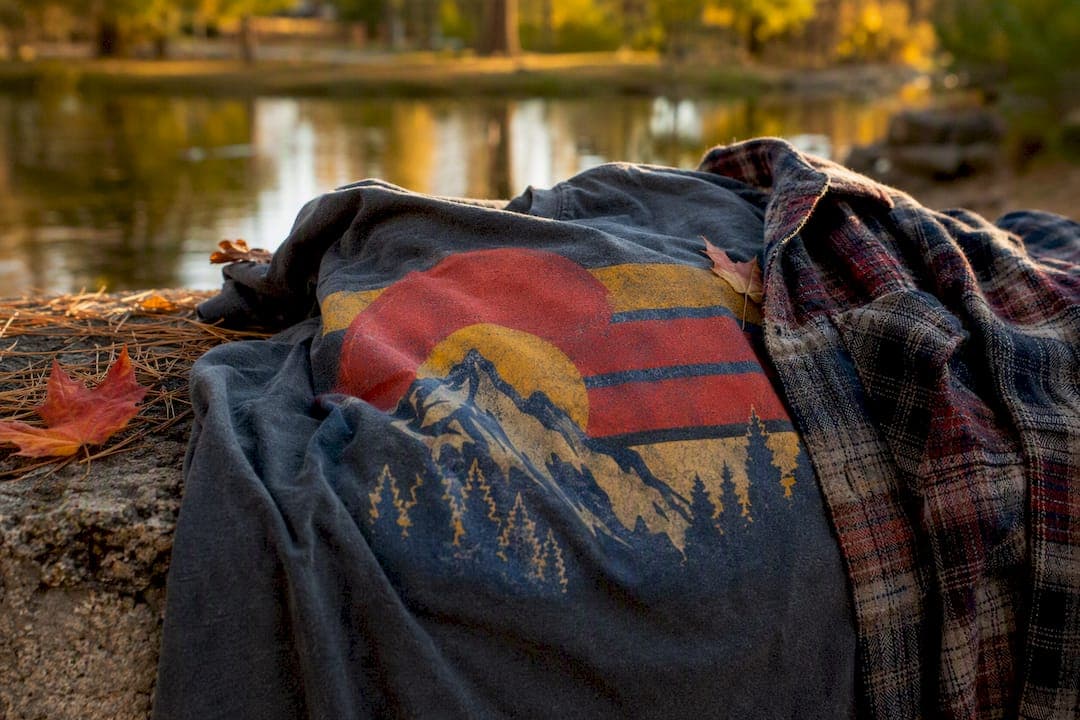
Three pieces, one order: a thin insulating base, your nostalgic graphic tee as the middle layer, and a structured outer piece on top. That's the whole system. A merino base layer wicks moisture without adding bulk, a mid-weight cotton tee holds its print and shape, and a lightweight insulated overshirt or puffer locks in warmth while keeping the silhouette clean.
- Base: merino wool or silk blend, close to the skin
- Mid layer: your nostalgic graphic tee, 120 to 180 gsm cotton
- Outer: overshirt, blazer, or packable puffer for structure and warmth
For authentic retro graphics that actually hold up to repeated washing and layering, Native303 Apparel built its whole catalog around Denver nostalgia tees designed to be worn this way.
Key Takeaways
Cool-weather layering works when a moisture-wicking base, a mid-weight nostalgic tee, and a structured outer piece each do a distinct thermal job instead of competing for space.
| Point | Details |
|---|---|
| Follow the three-layer order | Base layer for moisture control, nostalgic tee for mid-weight warmth, structured outer piece for insulation and shape. |
| Choose 120 to 180 gsm tees | This weight range holds prints well and layers cleanly without bunching under a jacket. |
| Fix sleeve bunching first | Fitted base-layer sleeves or sewn two-fabric constructions prevent the most common layering flaw. |
| Anchor with one retro piece | Pair a single nostalgic tee with modern denim, trousers, or outerwear to avoid a costume effect. |
| Shop Native303 for layer-ready fits | Native303 Apparel offers Denver nostalgia tees sized and weighted for cool-weather layering, with a size guide to match. |
Table of Contents
- How Do You Layer Nostalgic Tees for Cool Weather?
- What Fabrics and Fit Work Best for Layering?
- Four Cool-Weather Outfits Built Around Nostalgic Tees
- Layering Tricks That Keep the Look Clean
- How Do You Wash and Store Nostalgic Graphic Tees?
- Why Trust This Layering Advice?
- Nostalgia Works Best When It's Functional, Not Just Decorative
- Shop Layer-Ready Nostalgic Tees at Native303
- Sources
How Do You Layer Nostalgic Tees for Cool Weather?
The order matters more than the pieces themselves. Each layer does a specific job, and skipping the sequence is how people end up either sweating indoors or freezing the second they step outside.
- Base layer: Go with merino wool or a silk blend against your skin. Both pull moisture away from your body without trapping it, so you stay warm and dry instead of just warm and damp.
- Mid layer: This is where your nostalgic tee lives. A mid-weight cotton weight in a moderate range is the sweet spot. Anything lighter and the print looks washed out under an outer layer; anything heavier and it fights with your base for space.
- Outer layer: Fleece, quilted nylon, or a wool overshirt seals in the heat you've already trapped. Pick based on how cold it actually is, not how cold it looks outside.
When temperatures drop further, add a beanie, a scarf tucked into (not over) your collar, gloves, and wool-blend socks. These aren't afterthoughts. Extremities lose heat fast, and a great three-layer outfit still feels cold if your hands and head are exposed.
Pro Tip: Layer your base and mid layer the night before a big temperature swing. Cotton tees hold creases from packing, and a flat-dried tee lays better under an outer layer than one pulled straight from a drawer.
What Fabrics and Fit Work Best for Layering?
Fabric choice decides whether your layers trap heat or just trap bulk. Here's the quick breakdown:
- Merino wool: warm, breathable, resists odor, but pricier and needs gentler washing
- Silk: excellent as an ultra-thin base, poor durability under friction
- Cotton: ideal for the graphic tee itself; breathable and print-friendly, but slow to dry
- Brushed knits: cozy and warm, though bulkier under tight outer layers
- Synthetics (polyester blends): durable and cheap, but trap heat unevenly and can feel clammy
Weight is where most people get layering wrong. Editors covering 2026's throwback fashion trends point out that blending eras only works when the pieces are chosen deliberately rather than thrown together. That same logic applies to fabric weight. A tee under 120 gsm will bunch and wrinkle under a jacket. Go past 180 gsm and the extra thickness distorts the print, especially on oversized or distressed retro graphics.
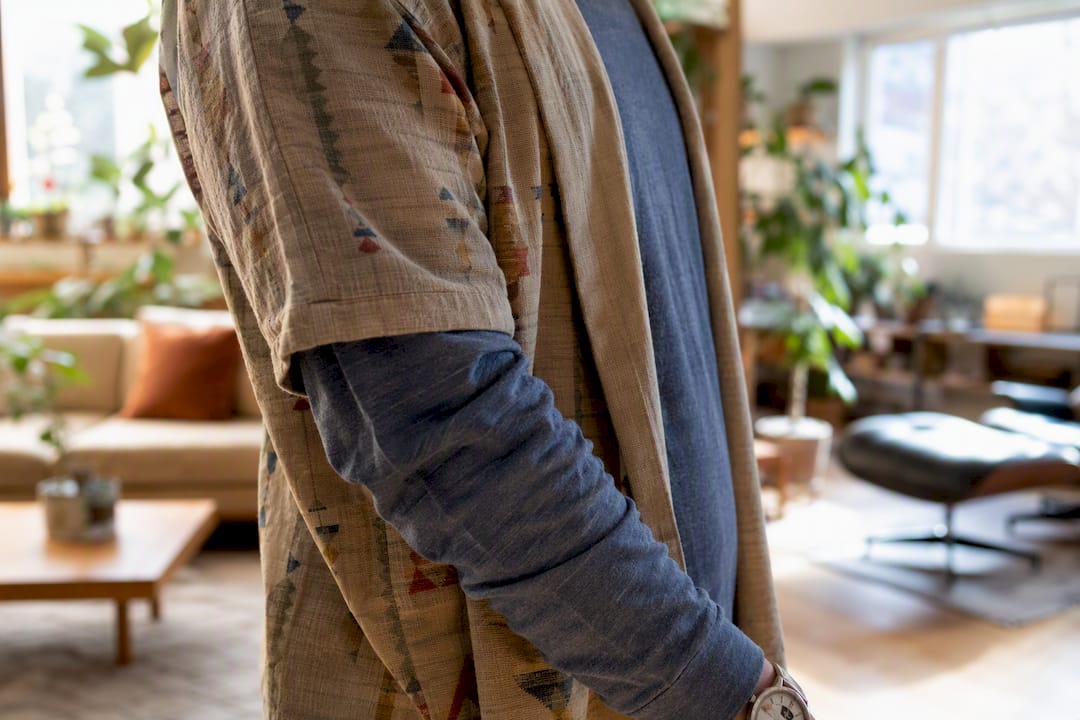
Fit matters just as much as fabric. Sleeve length should end right at your wrist bone. If it rides up under an outer layer, you're one arm-raise away from a bunched mess. Shoulder seams should sit right on the shoulder, not sliding down toward your bicep. When in doubt between two sizes, size up on the base layer, not the tee. Your nostalgic tee is the star of the outfit. Everything else should support it, not compete with it for room.
Four Cool-Weather Outfits Built Around Nostalgic Tees
Trend coverage for 2026 keeps pointing to the same idea: nostalgia isn't a costume, it's a foundation you build modern outfits on top of. Runway reporting from WhoWhatWear shows heritage staples and laid-back layering dominating this season, which makes now a good time to actually use that vintage tee collection sitting in your drawer.
- Casual: Thermal base layer, mid-weight nostalgic tee, chore jacket or overshirt on top, straight-leg jeans, leather boots. This is your default cool-day outfit, inspired by vintage styles like the Baseball Momma Graphic Tee: Vintage-Style Team Mom Shirt for a nostalgic mid layer. Swap the chore jacket for a heavier flannel overshirt once temps drop below 45°F.
- Smart-casual: Thin mock neck as your base, a vintage tee tucked into tailored trousers or dark denim, corduroy blazer over top. The mock neck keeps things warm without ruining the tucked-in line.
- Streetwear: Oversized tee, zipped hoodie layered underneath the tee (not over), puffer vest, cargo pants, chunky trainers. This is the one look where the tee sits as the visible mid layer instead of hiding under everything else.
- Outdoors and active: Performance base layer, your nostalgic tee worn as the visible top layer, lightweight insulated jacket, beanie. Skip cotton for the base here; you need something that dries fast if you're moving.
Each formula follows the same rule: one retro anchor piece, everything else modern and functional. That's the difference between looking intentional and looking like you raided a costume box.
Layering Tricks That Keep the Look Clean
Sleeve bunching is the single biggest thing that makes layered outfits look sloppy, and it's almost always a construction problem, not a styling one. Some makers solve this with two-fabric sewn constructions, where a short-sleeve tee is sewn directly onto a long-sleeve base, so the two pieces move as one garment instead of fighting each other under a jacket sleeve. If you're not buying pieces built that way, the DIY fix is simpler: choose a base layer with a slightly fitted sleeve so it doesn't ball up when you push a jacket sleeve over it.
A few proportion tricks that make a real difference:
- Keep your tee's hem an inch or two longer than your base layer so both are visible at the waist
- Roll or push up your outer layer's sleeves just past the wrist to show a sliver of the tee underneath
- Anchor bulky outer layers at the shoulder with a structured seam rather than a raglan cut, which tends to slouch
On mixing eras, the advice from stylists is consistent: pick one retro anchor and keep the rest of the outfit modern. Marie Claire's guide to styling 2026's throwback trends backs this up, recommending you limit yourself to one clear retro motif per outfit and let modern denim, trousers, or outerwear do the rest of the talking. For more on blending pieces without looking dated, check our guide on mixing nostalgia into modern outfits.
How Do You Wash and Store Nostalgic Graphic Tees?
Printed tees fail early for one reason more than any other: heat. Wash your nostalgic tees cold and inside-out with a mild detergent, and skip bleach entirely, even on white tees. Spot-clean small stains instead of running a full wash cycle when you can.
Drying is where most prints actually die. Air-dry flat rather than on a hanger, which stretches the neckline and shoulders over time. Reshape the tee while it's still damp so it dries into its correct silhouette instead of whatever shape it landed in. Skip the dryer, or if you must use one, use the lowest heat setting available.
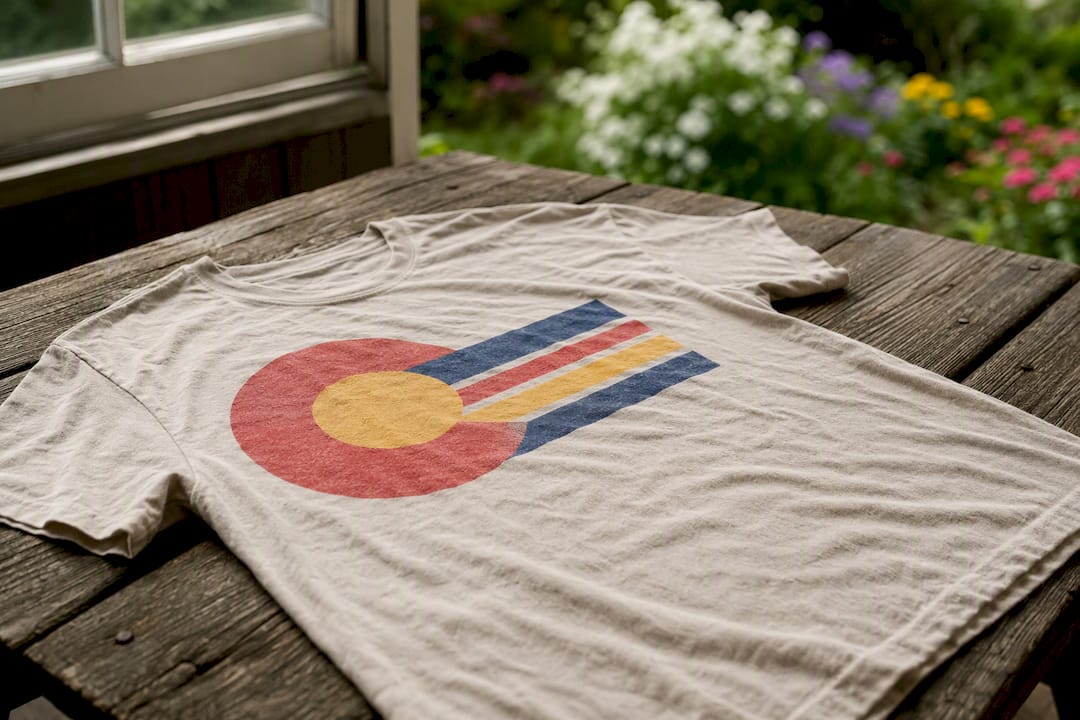
For storage, fold printed tees rather than hanging them. Heavy layered combinations, like a tee under a wool overshirt, deserve their own hangers so the weight doesn't stretch the tee's shoulders. Fix loose seams or peeling print edges as soon as you notice them. A five-minute repair now saves the shirt; waiting until next season usually doesn't.
Why Trust This Layering Advice?
Nostalgia-driven fashion isn't a passing moment. Reporting on Gen Z's embrace of Y2K style points to younger shoppers forming real emotional attachments to retro pieces, reinterpreting decades they didn't live through. That emotional pull is exactly why Native303 Apparel built its business around Denver's nostalgic eateries, clubs, and shops instead of generic vintage graphics.
Rob, who writes Native303's styling guides, has covered this ground in more depth across a few posts worth reading if you're building out a layering wardrobe:
- How to Layer Denver Graphic Tees Through Every Season
- Style Vintage-Inspired Tees in Your Modern Wardrobe
- Denver Retro Graphic Tee Themes: A Collector's Guide
Native303 exists because a T-shirt can hold the memory of a place that's gone. That's a different design problem than making something look vintage. It means getting the print, the weight, and the fit right so the shirt actually earns a permanent spot in someone's layering rotation, not just a closet shelf.
Nostalgia Works Best When It's Functional, Not Just Decorative
Most layering advice treats the graphic tee as decoration, something to peek out from under a jacket for visual interest. That's backward. The tee should be doing real thermal work as your mid layer, which means fabric weight and fit decisions matter more than which decade the graphic references.
The conventional wisdom on retro style overindexes on "authenticity" and underindexes on wearability. A distressed 1990s band tee looks great on a hanger. It looks sloppy on a cold, windy day if the sleeves bunch under your jacket or the cotton is too thin to hold its shape. Function and nostalgia aren't in tension. A well-built tee in the right weight does both jobs at once.
If you're prioritizing one thing this season, prioritize fit over graphic rarity. A perfectly fitted, mid-weight nostalgic tee in a simple design will outperform a baggy, oversized rare print every time it's actually worn outside for more than an hour. Style culture rewards the rare find. Cool-weather dressing rewards the piece that works.
Shop Layer-Ready Nostalgic Tees at Native303
Native303 Apparel specializes in exactly the kind of tee this whole layering system depends on: mid-weight, print-durable, and cut to work under an overshirt or blazer without losing its shape. Instead of hunting through generic vintage racks hoping for the right weight and fit, you can shop a catalog built specifically around Denver's nostalgic eateries, clubs, and landmarks, with sizing designed for exactly the layered fit this guide describes.

Before you order, run through the size guide and size your tee for layering room rather than a standalone fit. That usually means going true to size rather than sizing down, since you'll want enough room for a thin base layer underneath without pulling the print tight across your chest. Browse the current Native303 Apparel collection, and check the blog for more outfit breakdowns while you shop.
Sources
- Clean out the closets. Gen Z is falling for the Y2K fashion aesthetic | AP News
- How I Style 2026's Top Throwback Trends With Only Vintage Clothes | Marie Claire
- Bored of White Tees? This Alt Color is Making the Rounds on Cool People in Copenhagen and London | WhoWhatWear